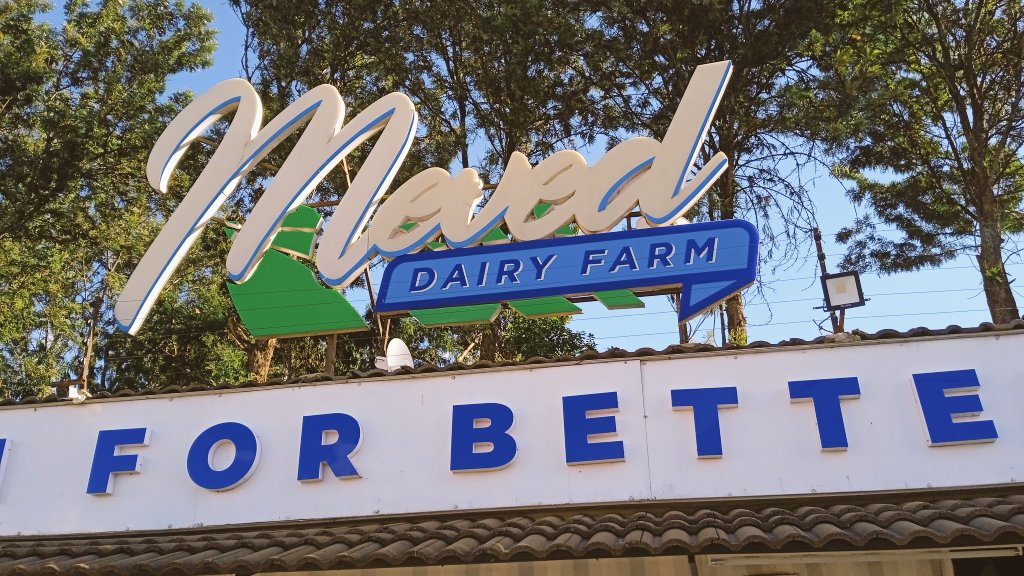
Meved Dairy Farm has become one of the most talked-about dairy farming success stories in Kenya. Located in Rukanga, Kirinyaga County, the farm has transformed from a small venture into a high-output dairy enterprise producing over 1,200 litres of milk daily. This remarkable growth highlights the power of smart planning, consistency, and modern farming practices.
The story behind Meved Dairy Farm is not just about milk production. It reflects resilience, innovation, and the ability to identify and exploit market opportunities in a challenging environment. Today, the farm stands as a model for both small-scale and commercial dairy farmers across the region.
The Background of Meved Dairy Farm
Meved Dairy Farm is managed by entrepreneur Anne Mwangi, who started the venture in 2007. Initially, she owned only one cow. However, she had a clear vision to expand and improve milk production.
At the time, dairy farming in her area was not common due to semi-arid conditions. Most farmers focused on fast-maturing crops because of limited rainfall. Despite this, Anne Mwangi saw an opportunity in milk production and decided to invest in livestock farming.
Before starting the farm, she often traveled long distances to purchase milk. This challenge motivated her to build a reliable local supply through her own dairy business.
Growth Journey of Meved Dairy Farm
The growth of Meved Dairy Farm did not happen overnight. In the early stages, Anne focused on improving the quality of her cattle. She crossbred her cows to increase milk yield.
By 2008, the farm had expanded significantly. It had seven cows producing about 150 litres of milk daily. This marked a major turning point in the business.
Over the years, the farm continued to grow. Today, it hosts a large number of Friesian cattle, including heifers, bulls, and lactating cows. The increase in herd size directly contributed to the rise in milk production.
Currently, Meved Dairy Farm produces more than 1,200 litres of milk per day, making it one of the leading dairy farms in the region.
Livestock Management at Meved Dairy Farm
Efficient livestock management plays a key role in the success of Meved Dairy Farm. The animals are organized into different sections based on age, health condition, and productivity.
This system ensures that each group receives the appropriate care and feeding. It also helps in monitoring performance and identifying any health issues early.
Calves are separated at around three months. Bulls are raised for meat, while heifers are prepared for milk production. In addition, the farm uses controlled breeding methods to improve herd quality.
Heifers are usually inseminated once they reach the right weight. This ensures strong and productive dairy cows.
Feeding Strategy and Milk Production
One of the main strengths of Meved Dairy Farm is its feeding strategy. The farm uses a combination of hay, maize silage, legumes, and specially prepared dairy meal.
To maintain quality, Anne Mwangi established a feed processing unit within the farm. This decision came after experiencing losses due to poor-quality commercial feeds.
By producing her own feed, she ensures consistency and reduces long-term costs. This approach also improves milk yield and animal health.
The cows are milked three times a day using machines. This increases efficiency and helps maintain hygiene standards. As a result, the farm achieves high daily production levels.
Value Addition and Profitability
Instead of relying solely on raw milk sales, Meved Dairy Farm has embraced value addition. The farm produces yoghurt and other dairy products, which are sold at higher prices.
Yoghurt sells at approximately Ksh 180 per litre, while fermented milk products also attract good market value. This strategy increases profitability and reduces dependence on fluctuating milk prices.
Previously, the farm supplied milk to large processors. However, low prices forced a shift toward direct sales and processing. This move significantly improved income stability.
Farm Infrastructure and Hygiene Practices
Meved Dairy Farm maintains high standards of hygiene and organization. Visitors are required to disinfect their feet before entering the farm. This prevents the spread of diseases.
The cowsheds are well-structured to allow free movement of animals. They also protect livestock from harsh weather conditions such as extreme heat and rain.
Each cow has a comfortable resting area. The floors are kept dry using materials like rice husks. This helps prevent infections and improves animal welfare.
Water management is also a priority. The farm has invested in boreholes to address water scarcity. This ensures a reliable supply for both animals and feed production.
Challenges Facing Meved Dairy Farm
Despite its success, Meved Dairy Farm faces several challenges. Water scarcity remains a major issue, especially during dry seasons.
In addition, feed costs can be high. However, producing feed on-site has helped reduce expenses. Climate change also affects fodder availability, requiring careful planning and storage.
To overcome these challenges, the farm focuses on preserving fodder for dry periods. This ensures consistent feeding throughout the year.
Lessons from Meved Dairy Farm
The success of Meved Dairy Farm offers valuable lessons for farmers. First, starting small is not a limitation. With proper planning, growth is achievable.
Second, quality feed directly impacts milk production. Investing in good nutrition improves output and profitability.
Third, value addition creates new income streams. Farmers who process their products earn more than those who sell raw milk.
Finally, consistency and proper management are key to long-term success in dairy farming.
Why Meved Dairy Farm Stands Out
Meved Dairy Farm stands out because of its strategic approach. It combines modern techniques with practical solutions tailored to local conditions.
The farm has successfully turned a challenging environment into a productive enterprise. It also serves as an inspiration for young entrepreneurs entering agribusiness.
With its strong foundation, Meved Dairy Farm continues to grow and adapt. Its story proves that dairy farming can be both profitable and sustainable when done right.
Conclusion
Meved Dairy Farm represents the future of dairy farming in Kenya. Through innovation, resilience, and smart decision-making, it has achieved impressive production levels.
For anyone looking to venture into dairy farming, this success story provides a clear roadmap. It shows that with the right strategies, even small beginnings can lead to large-scale success.
If you want, I can also optimize this article further with internal linking strategy, schema markup, and featured snippet targeting to dominate Google rankings.