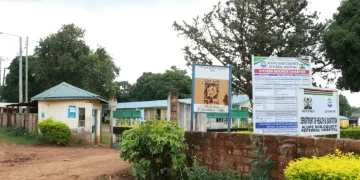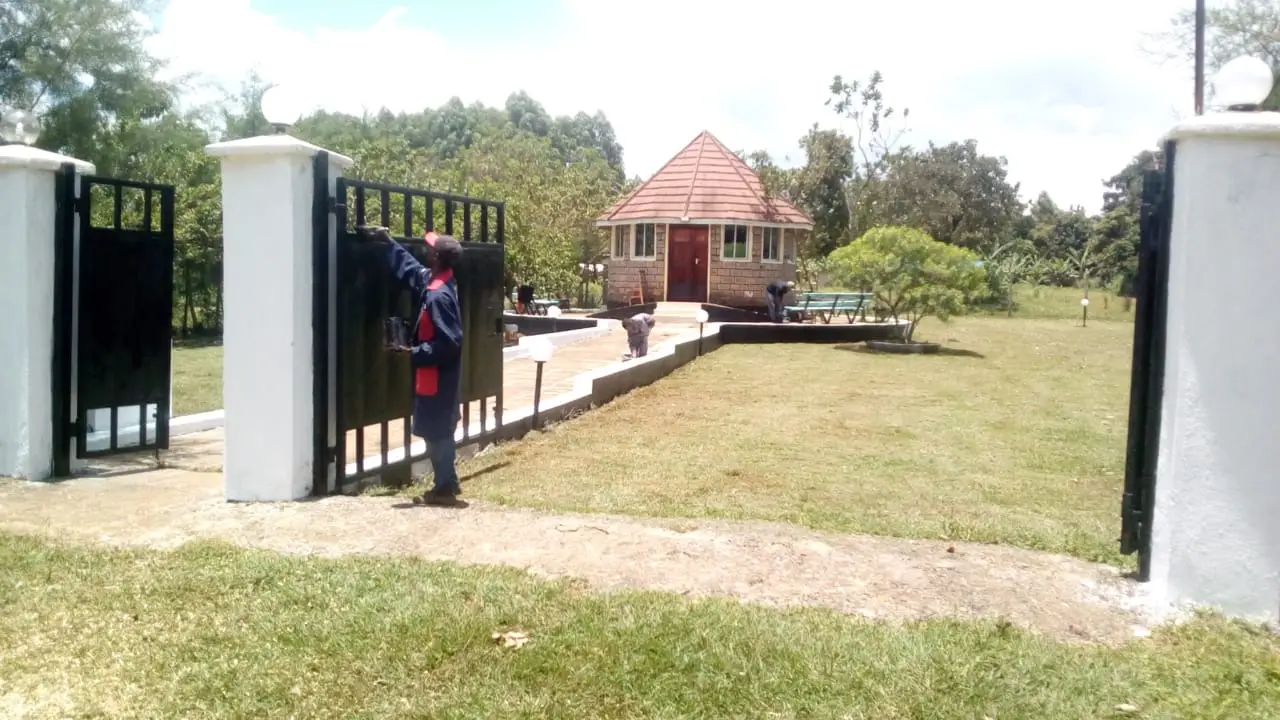
Standing as a solemn tribute to one of Kenya’s most enigmatic figures, Maeni Shrine in Kimilili, Bungoma County, immortalizes the life and legacy of Elijah Masinde Wanameme — the revered Bukusu prophet, activist, and founder of the Dini ya Msambwa movement. The shrine, both a mausoleum and a heritage site, symbolizes the enduring struggle for justice, faith, and freedom that defined Masinde’s life and the Bukusu community’s resilience during Kenya’s colonial and post-independence eras.
Elijah Masinde was a man of conviction — a religious leader, visionary, and anti-colonial crusader whose influence transcended faith and entered the political realm. He established Dini ya Msambwa in the early 1940s, blending elements of traditional Bukusu spirituality with Christian principles. The faith emphasized ancestral reverence, moral discipline, and resistance to colonial oppression. Masinde preached about land rights, social justice, and spiritual awakening, urging Kenyans to reject foreign domination and reclaim their dignity.
His defiance came at a great personal cost. Viewed as a threat by the British authorities, Masinde was arrested multiple times, imprisoned, and constantly monitored. The shrine’s surroundings still hold traces of this turbulent history — including a bunker where he hid for three years during the 1940s to evade arrest. Visitors can also find records of his 15-year detainment under the post-independence governments of Jomo Kenyatta and Daniel arap Moi, reflecting his continued confrontation with political power long after colonial rule ended.
Despite repeated persecution, Masinde remained unyielding. He denounced corruption, inequality, and injustice wherever he saw them, often clashing with government authorities. His fearless advocacy for land redistribution and the rights of marginalized Kenyans earned him both reverence and persecution. Tragically, he died in custody on February 5, 1987, under circumstances that remain unclear, leaving behind a movement that continues to influence Kenya’s religious and political discourse.
Today, Maeni Shrine stands as a powerful memorial and pilgrimage site for followers of Dini ya Msambwa, historians, and spiritual seekers. Curators at the shrine passionately narrate Masinde’s story, keeping alive his message of resistance, unity, and cultural pride. From Bungoma town, visitors can reach Maeni by traveling 46 km northeast via the C42 Kimilili–Kamukuywa Road through Chwele. The alternative Lugulu route (54 km) offers a longer but equally scenic drive through western Kenya’s green countryside.
Maeni Shrine is more than a resting place — it is a symbol of Kenya’s spiritual and political awakening, reminding generations that courage and conviction can outlive persecution.