Military coups in Africa have been a recurring theme, particularly in the West African region. A growing trend over the last five years has seen numerous countries experience such unrest. This article, based on reports by Legit.ng, highlights the most notable successful military coups that have taken place across the African continent from 2016 to 2025, showcasing a shift in political power through military interventions.
Benin Republic: The Latest Coup Attempt
On December 7, 2025, Lieutenant Colonel Pascal Tigri led an attempted coup to overthrow the government in Benin Republic. This move, however, failed after Nigeria deployed military support to back President Patrice Guillaume Athanase Talon. The failed coup attempt was a stark reminder of the growing instability in parts of Africa. The Nigerian military’s intervention successfully thwarted the coup and restored constitutional order in Benin.
Mali: A Year of Military Power Shifts
Mali experienced two military coups within a short period. The first coup occurred on August 18, 2020, when Colonel Assimi Goita removed President Ibrahim Boubacar Keita from power, citing the government’s failure to tackle jihadist violence. Goita declared himself the leader of a transitional government. In May 2021, Goita staged a second coup against the interim president, pushing him aside and assuming control once again. Despite promising elections for February 2024, Goita and his military government have indefinitely delayed the polls due to continued insecurity in the region.
Guinea: A Military Takeover in 2021
On September 5, 2021, Lieutenant-Colonel Mamady Doumbouya led a military coup in Guinea, overthrowing President Alpha Condé. Condé had recently been re-elected for a third term, a move that sparked widespread protests. Doumbouya’s forces arrested Condé and seized power, promising to restore order and democracy. By November 2025, Doumbouya submitted his candidacy for Guinea’s upcoming December 2025 elections, furthering his hold on power.
Burkina Faso: A Double Coup in 2022
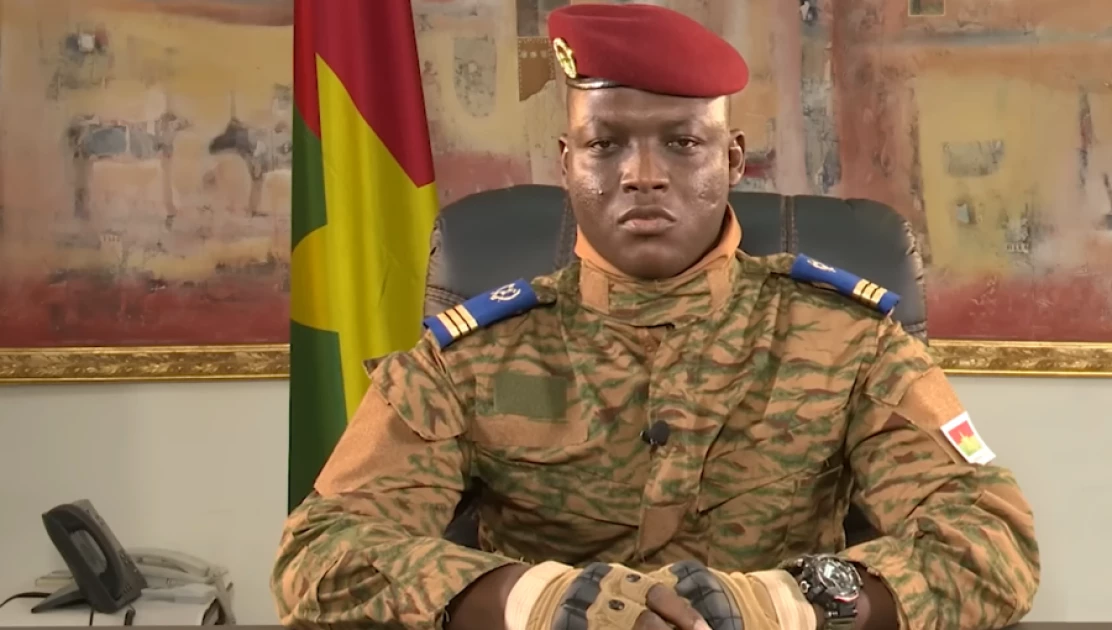
Burkina Faso experienced two military coups in 2022. In January 2022, Lieutenant-Colonel Paul-Henri Sandaogo Damiba led a coup to oust President Roch Marc Christian Kaboré. However, Damiba’s rule was short-lived, and in September 2022, Captain Ibrahim Traoré overthrew him, becoming the transitional president. Traoré’s government has since been granted a five-year mandate to address the growing Islamist insurgency in the country.
Niger Republic: A Presidential Guard Coup
On July 26, 2023, Niger’s President Mohamed Bazoum was overthrown by members of his presidential guard, led by General Abdourahamane Tiani. Tiani assumed power after detaining Bazoum and declaring himself the new ruler of Niger. This coup added to the growing wave of military takeovers in West Africa, destabilizing the region further.
Gabon: The Bongo Dynasty’s Fall
On August 30, 2023, General Brice Oligui Nguema led a military coup in Gabon, overthrowing President Ali Bongo Ondimba, who had ruled the country for 55 years. The coup occurred shortly after Bongo was declared the winner of a controversial election. Nguema was named the transitional president, marking a dramatic end to the Bongo family’s long-standing political dominance.
Madagascar: Military Intervention Amid Protests
In October 2025, Madagascar saw a military coup that ousted President Andry Rajoelina following weeks of anti-government protests led by the country’s younger generation. The military, under Colonel Michael Randrianirina, took control, and Randrianirina was sworn in as the new president, promising elections within 18 to 24 months.
Guinea-Bissau: A Coup After Elections
In November 2025, Guinea-Bissau’s military took control of the country just three days after general elections. The military suspended the electoral process and closed borders, a move that threw the country’s political future into uncertainty.
Sudan: A Coup Amidst Civil Tensions
On October 25, 2021, Sudan’s military chief Abdel Fattah al-Burhan staged a coup, ousting the civilian-led transitional government. This came after months of tension between military and civilian leaders following the overthrow of longtime dictator Omar al-Bashir. Since then, Sudan has been embroiled in a conflict between regular military forces and the Rapid Support Forces, a paramilitary group.
Conclusion: A Region in Turmoil
The frequency of military coups in Africa over the past five years underscores a disturbing trend of instability, especially in West Africa. From Benin Republic‘s failed coup attempt to Mali, Guinea, Burkina Faso, and Niger Republic experiencing military takeovers, the political landscape of the continent has been deeply affected. While Nigeria played a crucial role in stabilizing Benin, the region remains vulnerable to further unrest.
As the ECOWAS (Economic Community of West African States) and African Union continue to condemn military takeovers, the Confederation of Sahel States (AES) has backed coups, adding further complexity to the political situation. The future of democratic governance in Africa remains uncertain as military regimes continue to rise and fall, reshaping the continent’s political environment.