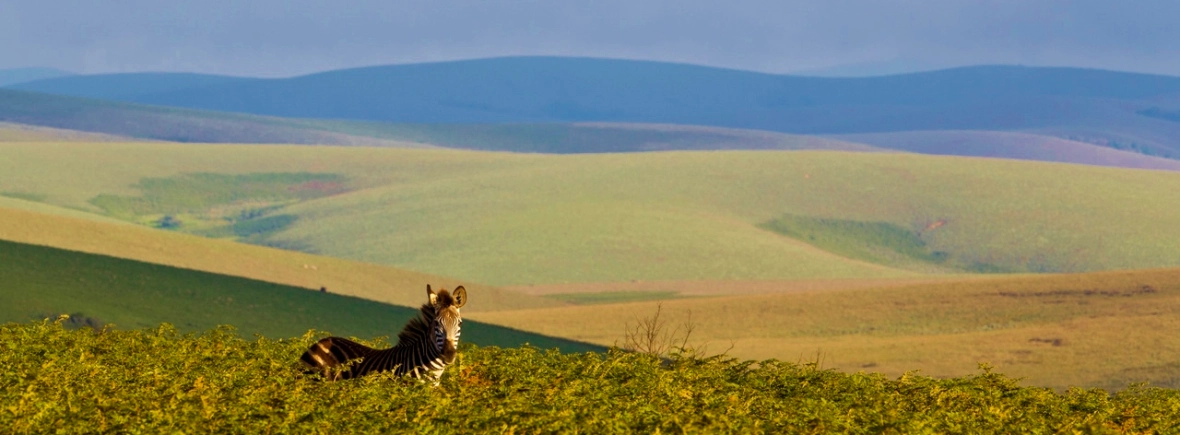
Plateaus are elevated flatlands often surrounded by steep slopes or escarpments. In Kenya, there are several notable plateaus, each with unique geographical features and ecological importance. In this article, we explore the major plateaus in Kenya, their locations, and significance.
ADVERTISEMENT
1. Laikipia Plateau
- Location: Between the slopes of Mount Kenya and the Great Rift Valley.
- Characteristics: The Laikipia Plateau is often referred to as a “plateau within a plateau,” located within the Central Highlands of Kenya. It consists of expansive ranches and conservancies that focus on wildlife conservation, agriculture, and tourism.
- Elevation: Approximately 1,500 meters above sea level.
- Significance: Known for its biodiversity, the plateau is a key area for conservation efforts and serves as a base for exploring northern Kenya and the Great Lakes region.
2. Nyika Plateau
- Location: Found along the border of Kenya and Tanzania, primarily in the northeastern regions.
- Characteristics: The Nyika Plateau is known for its dry and arid landscape. It forms a significant part of Kenya’s natural highlands and is crucial for the surrounding ecosystem.
- Elevation: Ranges from 1,000 to 2,000 meters above sea level.
- Significance: Its relief regions consist of lowlands, foreland plateaus, and northern plainlands, influencing regional weather patterns and agriculture.
3. Kinangop Plateau
- Location: Situated between the Great Rift Valley to the west and the Aberdare Range to the east, in Central Kenya.
- Characteristics: The plateau lies at the edge of the Aberdare mountain range and is renowned for its moorland zone. The highest point, Mount Kinangop, offers stunning views of the surrounding areas.
- Elevation: Around 2,400 meters above sea level.
- Significance: The plateau is important for farming, wildlife conservation, and tourism, with a climate that supports both agricultural and pastoral activities.
4. Yatta Plateau
- Location: Extends for about 300 km along the western boundary of the Athi River, southeast of Nairobi.
- Characteristics: The Yatta Plateau is formed by a phonolite lava flow, making it one of the longest lava flows in the world.
- Elevation: Varies, but generally between 1,500 and 2,000 meters above sea level.
- Significance: This geographical feature is significant for its volcanic history and provides critical insight into Kenya’s geological evolution.
5. East African Plateau
- Location: Spanning across Kenya, Uganda, and Tanzania.
- Characteristics: A vast plateau that stretches through the East African Rift Valley, composed of mountain ranges, tablelands, and rift valleys.
- Elevation: Between 1,000 to 1,500 meters above sea level.
- Significance: The East African Plateau is essential for agriculture, wildlife, and human settlement. It is also a major area of interest for scientists studying tectonic activity in the region.
6. Central Plateau (Central Highlands)
- Location: Stretching from the Matthews Range in the north down to Nairobi in the south, bordering the Rift Valley to the west.
- Characteristics: The Central Plateau is home to several towns and villages, along with national parks and game reserves. The region supports wildlife populations and is a hub for Kenya’s rich agricultural production.
- Elevation: Varies from 1,500 to 2,200 meters above sea level.
- Significance: This area is pivotal for Kenya’s agriculture, with the highest concentration of fertile lands in the country, especially around Mount Kenya.
Conclusion
Kenya’s plateaus are not only important for their geographical features but also for their contribution to the country’s biodiversity, agriculture, and tourism. The Laikipia, Nyika, and Kinangop plateaus, among others, serve as critical areas for both ecological and economic activities. They provide valuable ecosystems, cultural heritage, and a wealth of opportunities for sustainable development in Kenya.
Was this article helpful?
YesNo