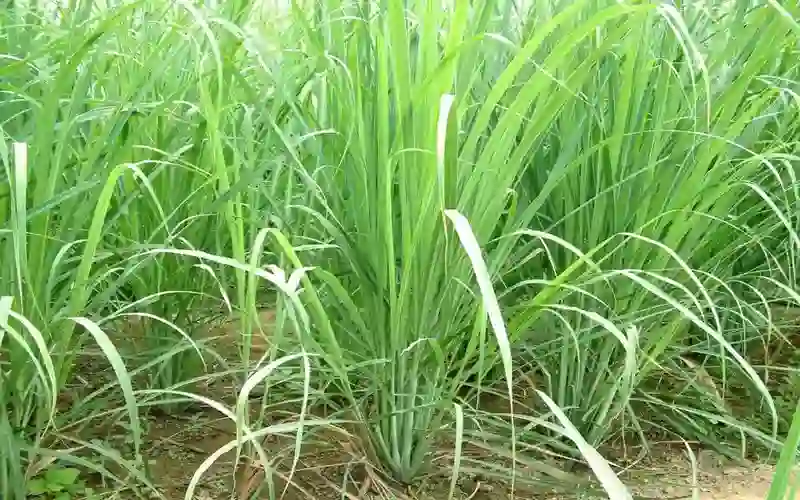
Lemongrass farming in Kenya presents a promising opportunity due to its high demand locally and internationally for its various uses in culinary and medicinal applications. Here’s a comprehensive guide to lemongrass farming in Kenya:
Lemongrass Growing Areas in Kenya
Lemongrass thrives in regions characterized by specific ecological conditions:
- Ideal Regions: Western, Coastal, Central, and parts of Rift Valley.
- Ecological Requirements:
- Soil Type: Slightly acidic, well-drained sandy loam with a pH of 5.5-7.5.
- Climate: Warm and humid conditions.
- Temperature: Best between 20°C to 35°C.
- Rainfall: Adequate rainfall supports optimal growth.
Varieties of Lemongrass Grown in Kenya
- East African Cymbopogon Citratus
- Cymbopogon Martini
- Cymbopogon Winterianus
- Cymbopogon Flexuosus
- West Indian Cymbopogon Citratus
Crop Management Practices
Land Preparation:
ADVERTISEMENT
- Thoroughly prepare the land to a fine tilth, clearing weeds to reduce competition for nutrients.
- Incorporate well-decomposed organic manure to enhance soil fertility and structure.
Planting:
- Propagation: Typically done using stem cuttings due to ease and reliability.
- Spacing: Plant cuttings in rows with 60cm between rows and 30cm between plants.
- Direct Seeding: Seeds can also be sown directly in well-prepared beds or fields, covered lightly with soil, and watered regularly for germination.
Pests and Diseases:
ADVERTISEMENT
- Pests: Common pests include aphids, mites, and grasshoppers.
- Diseases: Watch for leaf rust and fungal infections.
- Control: Use recommended pesticides and fungicides, opt for resistant varieties, and maintain good field sanitation practices.
Harvesting:
- Lemongrass is typically ready for harvest in about 6-8 weeks, depending on the variety and local conditions.
- Harvest by cutting stalks at the base using sharp tools.
- Average yield can range from 5-10 tons per acre.
Market Opportunities
- Lemongrass has a growing market in Kenya and internationally.
- Main buyers include food processing companies, spice manufacturers, and herbal tea producers.
- Demand is driven by its use in culinary dishes, herbal teas, and essential oil production.
Conclusion
Lemongrass farming in Kenya is a viable venture given its high market demand and relatively straightforward cultivation requirements. By adhering to proper agricultural practices, managing pests and diseases effectively, and ensuring quality harvesting techniques, farmers can capitalize on the increasing popularity of lemongrass products both locally and abroad.