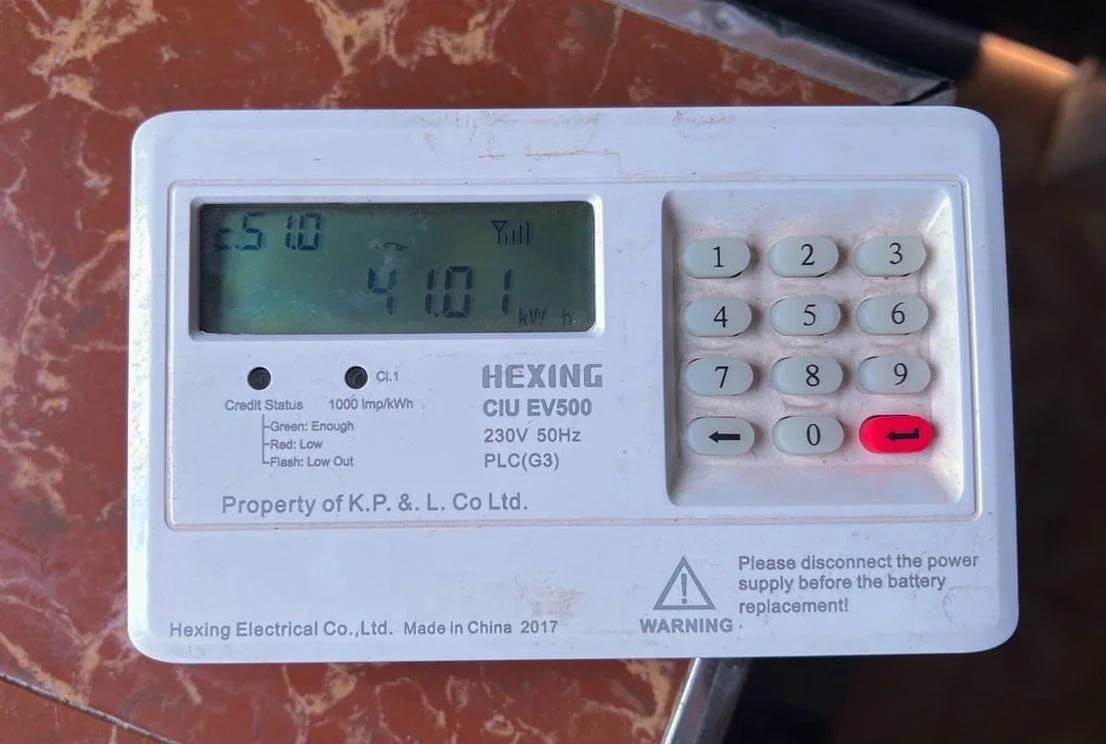
Kenya is set to revolutionize the way electricity is managed in densely populated estates and informal settlements, thanks to the government’s new bulk metering strategy. This approach, announced by Energy Cabinet Secretary Opiyo Wandayi, seeks to combat the issue of illegal power connections and improve the delivery of reliable, safe electricity. One major change could be landlords stepping in as the main point of contact between residents and Kenya Power and Lighting Company (KPLC) — potentially selling you tokens instead of the utility itself.
What Is Bulk Metering?
Under the bulk metering system, instead of each home having its own individual electricity meter, one main meter will be installed for an entire estate, large building, or neighbourhood. This primary meter will be registered to a single individual or entity who will then serve as the official power buyer from KPLC.
The appointed individual or group, such as a landlord, housing cooperative, or estate committee, will take responsibility for:
- Distributing electricity to all the homes within the designated area.
- Ensuring each household pays for their exact consumption using sub-meters.
- Submitting one combined monthly payment to KPLC for the entire estate.
While residents will still use sub-meters to track their individual consumption, they will no longer interact directly with KPLC; instead, they will deal with the bulk buyer or appointed representative.
Why is the Government Implementing Bulk Metering?
The bulk metering system is being introduced for several key reasons:
- Reducing Illegal Power Connections: The system aims to curb unauthorized connections that are common in high-density areas, particularly in informal settlements.
- Enhancing Safety: The shift will minimize the risks posed by makeshift wiring, which has led to numerous fires and power outages in urban areas.
- Improving Service Delivery: With one central customer (the bulk buyer), KPLC can handle issues more efficiently, speeding up resolution times.
- Boosting Payment Efficiency: By reducing administrative burdens, this model will lower revenue losses for KPLC, ensuring a more stable and reliable power supply for consumers.
“Where KPLC staff can’t enforce rules due to security or overcrowding, this system will ensure people get power legally and safely,” said Wandayi, emphasizing its benefits for hard-to-reach areas.
Will Residents Be Forced to Join a Group?
No, residents will not be forced to join a group. Instead, they will need to reach a consensus on who will act as the representative for the estate or building. This could be a landlord, a housing cooperative, or a legally registered body like an estate committee. The selected representative will then manage the relationship with KPLC and handle the bulk payment and distribution process.
Will It Cost More?
For most households, the cost of electricity will not significantly change. Sub-meters will still be in place, meaning residents will only pay for the electricity they consume. However, the bulk buyer may introduce a small service fee to cover administrative costs or the maintenance of the internal power distribution network.
This could mean that your landlord, who is now responsible for the overall electricity management, might start selling you tokens for your electricity usage, much like prepaid meters, with a slight markup for service fees.
What Happens Next?
The implementation of bulk metering will involve collaboration between the Ministry of Energy, KPLC, and local leaders. The government is committed to educating the public on how the system works and how it will be rolled out in suitable areas across the country.
The government is optimistic that bulk metering will be a sustainable and efficient way to manage electricity, especially in informal and overcrowded urban areas. This approach has already shown success in other countries, and Kenya hopes it will address long-standing challenges in its power supply.
Conclusion: A Safer, Simpler, and More Reliable Power Supply
In essence, bulk metering is designed to simplify the electricity distribution process, making it safer and more efficient. While residents will still be paying for their electricity usage based on sub-meters, landlords or other designated representatives will take on the responsibility of managing the relationship with KPLC.
So, if your landlord starts selling you tokens for electricity, it could be a direct result of the new bulk metering system. This shift aims to provide legal and safe electricity access to residents, streamline payments, and reduce the risks associated with illegal power connections.