


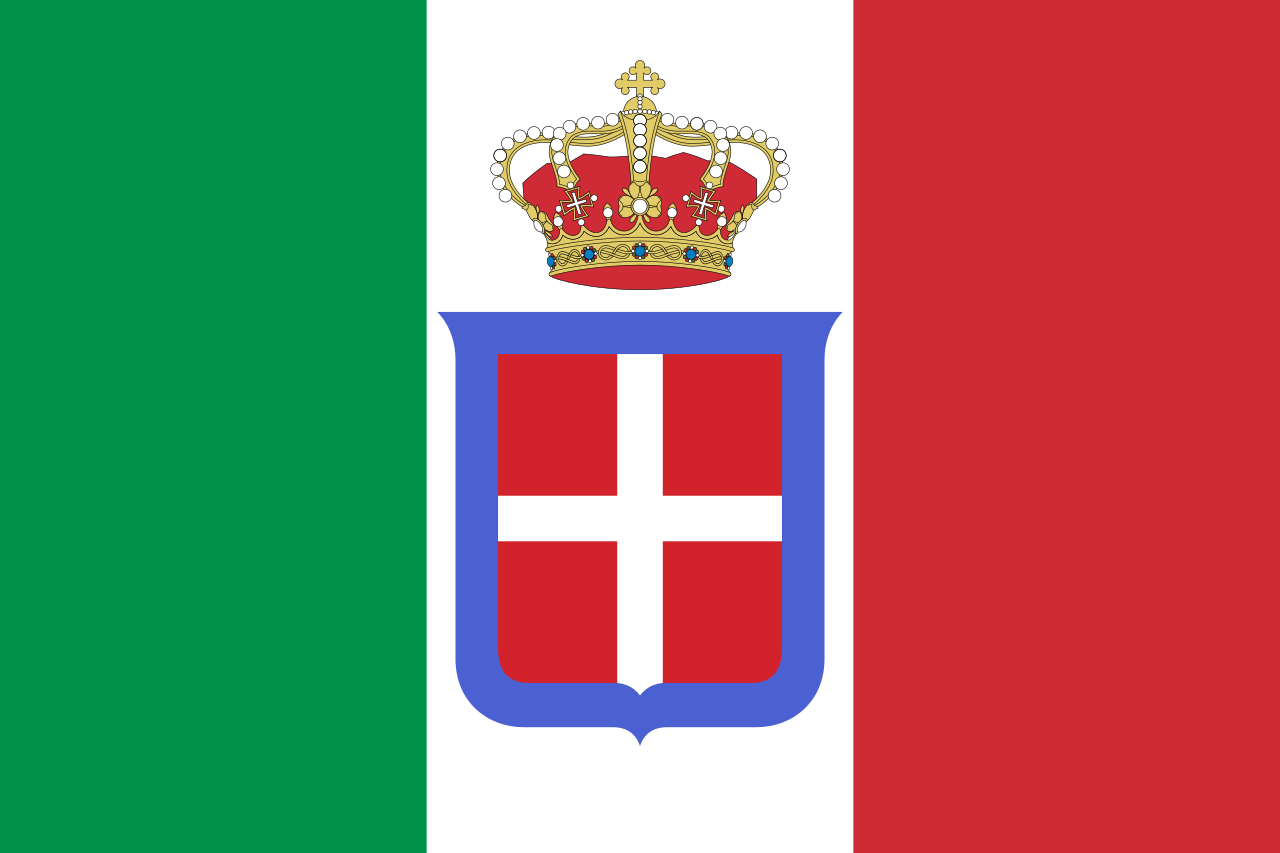
Italian Somaliland (Italian: Somalia Italiana; Arabic: الصومال الإيطالي, romanized: Al-Sumal Al-Italiy; Somali: Dhulka Soomaalida ee Talyaaniga) was a protectorate and later colony of the Kingdom of Italy in present-day Somalia, which was ruled in the 19th century by the Sultanate of Hobyo and Majeerteen in the north, and in the south by the political entities; Hiraab Imamate and the Geledi Sultanate.

Italy gradually secured much of the territory in the 1880s through a series of protection treaties. Starting in the 1890s, the Bimaal and Wa’dan revolts near Merca marked the beginning of Somali resistance to Italian expansion, coinciding with the rise of the anti-colonial Dervish movement in the north. By the end of 1927, following a two year military campaign against Somali rebels, Rome finally asserted authority over the entirety of Italian Somaliland.
In 1936, the region was integrated into Italian East Africa as the Somalia Governorate. This would last until Italy’s loss of the region in 1941, during the East African campaign of World War II. Italian Somalia then came under British military administration until 1950, when it became a United Nations trusteeship, the Trust Territory of Somalia under Italian administration. On 1 July 1960, the Trust Territory of Somalia united with the former British Somaliland to form the Somali Republic.
History
The late 19th century had a huge impact in the Horn of Africa. The Somali Sultans that then controlled the region, such as Yusuf Ali Kenadid, Boqor Osman Mahamuud, and Boqor fartoon aden muxuumed, who was a king for the wamo people in jubaland , and Olol Dinle entered into treaties with one of the European colonial powers Great Britain and France, or Abyssinia.


