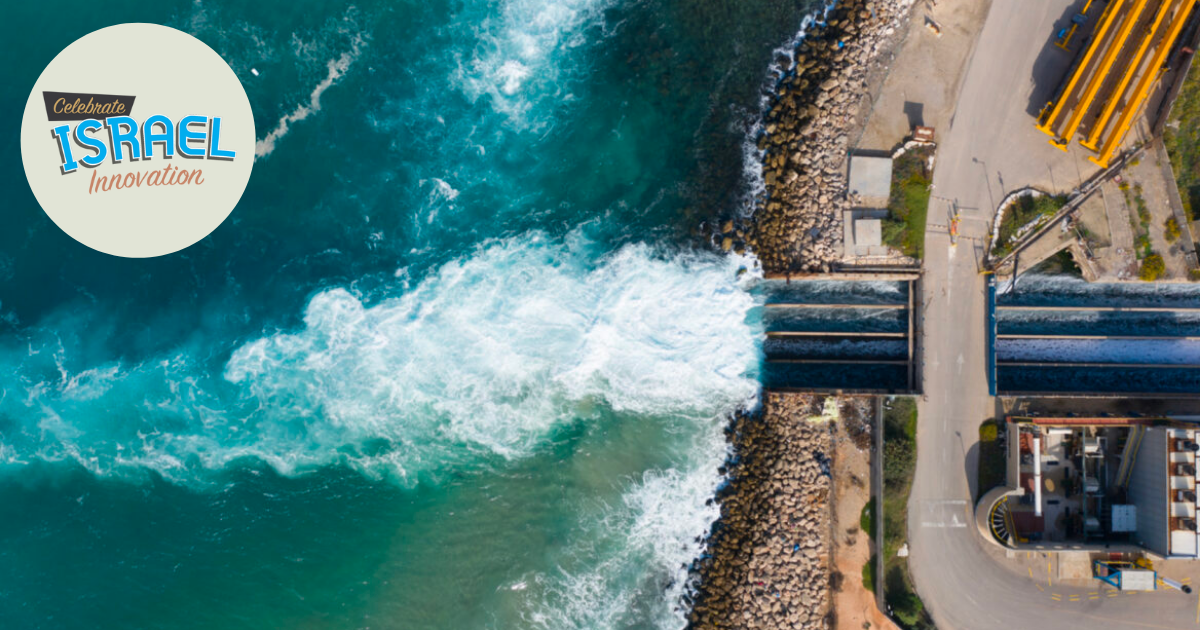
Few nations have turned adversity into innovation like Israel. Once an arid, water-scarce country, Israel now leads the world in water recycling technology, turning over 85% of its wastewater into reusable resources for agriculture and industry. This remarkable transformation makes Israel water recycling not just a national success story—but a global blueprint.
From Desert to Water Powerhouse
In the 1950s, Israel faced severe water shortages, seasonal droughts, and limited freshwater reserves. With rapid population growth and expanding agriculture, the young nation needed an urgent solution. Instead of relying solely on imports or natural water sources, Israel pioneered homegrown water management innovations, focusing on efficiency, recycling, and conservation.
Today, Israel has more water than it needs—despite being 60% desert.
Wastewater Recycling: The Game Changer
At the core of Israel’s model is its advanced wastewater treatment and reuse infrastructure. Known as “effluent reuse,” this system treats sewage water until it’s safe for irrigation.
Key facts:
- 85%+ of wastewater is recycled (the highest rate in the world)
- Recycled water is used to irrigate over 50% of Israel’s crops
- Wastewater is treated in multi-stage biological and chemical facilities
- Drip irrigation systems deliver water with extreme precision, reducing loss
This system drastically reduced Israel’s reliance on freshwater for agriculture, freeing up water for urban and industrial use.
Innovation in Action: The Shafdan Plant
The Shafdan Wastewater Treatment Plant, located near Tel Aviv, is a cornerstone of Israel’s water recycling success. It processes sewage from 2.5 million residents and sends treated water through sand dunes to naturally purify it before agricultural use.
This closed-loop approach is now being studied and emulated in countries like India, Singapore, and the U.S.
Desalination: Another Pillar of Water Security
Beyond wastewater, Israel also excels in seawater desalination. Its plants—like Sorek and Ashkelon—use reverse osmosis to turn Mediterranean seawater into clean drinking water.
Together with water recycling, desalination now provides 60% of Israel’s domestic water supply. The combination has made Israel climate-resilient despite unpredictable rainfall and regional water disputes.
Digital Water Management: Every Drop Counts
Israel’s “smart water” systems also contribute to efficiency. Technologies monitor leaks, track flow, and predict maintenance needs. The country’s national water grid, run by Mekorot, seamlessly moves water from surplus areas to drier regions.
Startups like:
- TaKaDu – network monitoring
- Aquallence – water purification
- Watergen – air-to-water tech
are exporting these solutions globally.
Global Impact: Exporting Israeli Know-How
Israeli water technologies are in use in:
- California, to manage droughts
- India, to irrigate dry states
- Rwanda, for rural clean water
- Mexico, in urban recycling programs
Israel’s Mashav program (its international development arm) also trains professionals from around the world in water management best practices.
Challenges and Ethical Concerns
While Israel is celebrated for water innovation, some raise concerns over:
- Access disparities in Palestinian territories
- The environmental impact of large-scale desalination
- The cost of implementing similar systems in low-income countries
Nevertheless, most agree the core principles—reuse, precision, and conservation—are vital in a warming world.
Conclusion
The Israel water recycling model proves that water scarcity is not destiny. Through visionary policy, scientific innovation, and national coordination, Israel has turned a dry land into a global sustainability leader. As the climate crisis worsens and billions face water stress, the world has much to learn from Israel’s experience. Whether through recycling wastewater, smart infrastructure, or public-private partnerships, Israel offers not just solutions—but hope.