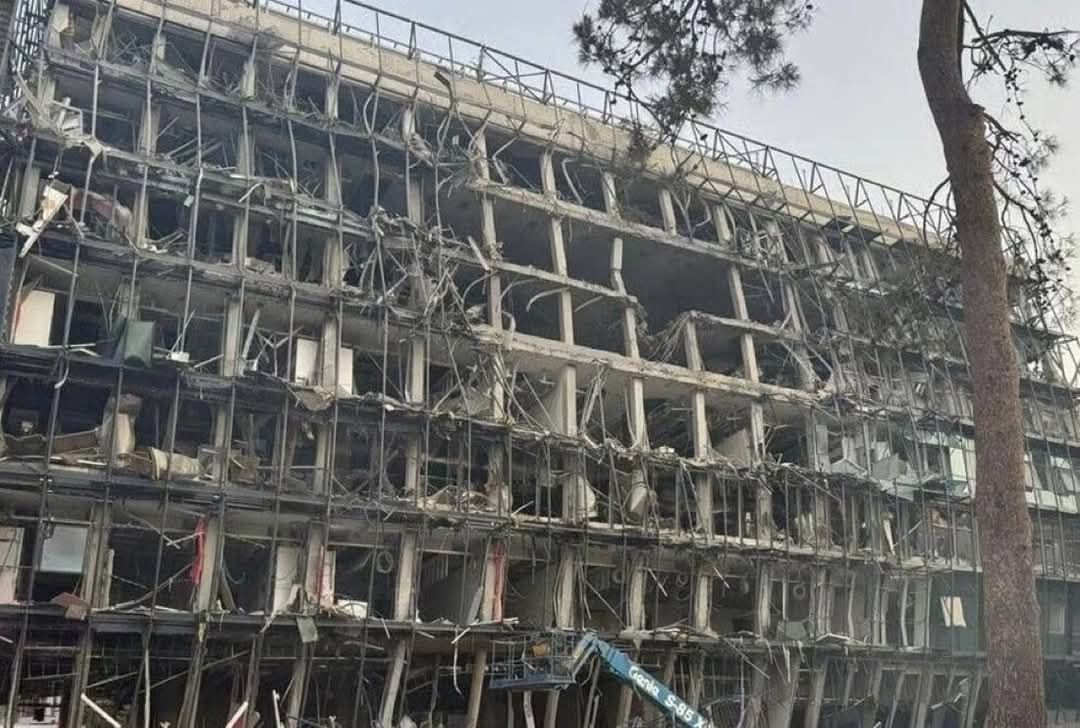
In a dramatic escalation of tensions between Iran and Israel, a precision Iranian missile strike hit the Weizmann Institute of Science in Rehovot, just south of Tel Aviv, at dawn on Sunday, 14 June 2025. This facility, widely regarded as Israel’s most prominent scientific research hub, plays a dual role as both an academic and a strategic military asset.
While Israeli military censors have enforced a blackout on the extent of the damage, the symbolism and implications of this strike are enormous—not only for Israel’s national security but also for international scientific cooperation.
The Weizmann Institute: Israel’s Scientific Powerhouse
Founded in 1934 by Chaim Weizmann (Israel’s first president), the Weizmann Institute of Science is internationally recognized for its contributions to basic science, innovation, and defense technologies. It offers graduate-level education in mathematics, physics, chemistry, biology, and computer science and supports over 2,500 researchers and staff.
The institute boasts:
- 30+ advanced research laboratories
- An extensive academic library
- A high-tech campus with residential and lecture facilities
However, it is its classified technological research supporting the Israeli military that likely made it a target.
Why Iran Targeted the Weizmann Institute
Beyond its academic prestige, the Weizmann Institute has long supported Israel’s defense sector through classified R&D in cutting-edge military systems, including:
- Artificial Intelligence for military decision-making and combat simulations
- UAV (drone) innovations and autonomous battlefield systems
- Electronic warfare tools including jamming, tracking, and signal disruption
- GPS alternatives for navigation in electronic denial environments
- Encrypted communication protocols for battlefield coordination
- Research in directed energy and nuclear defense systems
- Rapid field medical solutions for injured soldiers
These deep military links make the Institute a strategic node in Israel’s national security framework, rendering it a high-value target in Tehran’s retaliatory calculus—especially after recent Israeli airstrikes on Iranian military sites and scientists.
Air Defense Breach and Strategic Embarrassment
Despite Israel’s acclaimed Iron Dome and multilayered missile defense systems, the Iranian missile penetrated air defenses and reached a vital scientific-military site. The absence of public images and official damage reports—due to strict Israeli military censorship—suggests sensitive vulnerabilities have been exposed.
This silence reflects:
- A security breach of national concern
- Potential damage to classified military research assets
- A morale setback amid rising regional threats
It also sends a message about the increasing precision and reach of Iranian missile technology.
Global Implications: Scientific Neutrality Under Fire
The Weizmann Institute is not just a national institution. It enjoys generous Israeli state funding, but also receives significant international support from foundations, academic partnerships, and foreign donors. The targeting of such a facility could:
- Trigger diplomatic repercussions
- Disrupt global scientific collaborations
- Raise ethical concerns about the militarization of science
If investigations confirm that foreign-supported facilities were struck, international partners may reevaluate collaborations involving dual-use research.
Conclusion: Science in the Crosshairs
The Iranian strike on the Weizmann Institute marks a dangerous turning point, where science and warfare intersect in unprecedented ways. As geopolitical tensions spill into research domains, Israel’s scientific strongholds are now visibly vulnerable.
This event raises urgent questions:
- Can Israel safeguard its hybrid academic-military institutions?
- Will future escalations put more civilian research centers at risk?
- How will international academia respond when neutrality is no longer protection?
As Israel tightens internal security and military analysts reassess its defense posture, the world is watching—not just for the next missile, but for the next move in this intensifying conflict.