


How to Invest in REITs from Europe: A Step-by-Step Guide
Want to benefit from real estate income without becoming a landlord? Learning how to invest in REITs from Europe is a smart, flexible way to tap into global property markets while enjoying passive income and portfolio diversification.
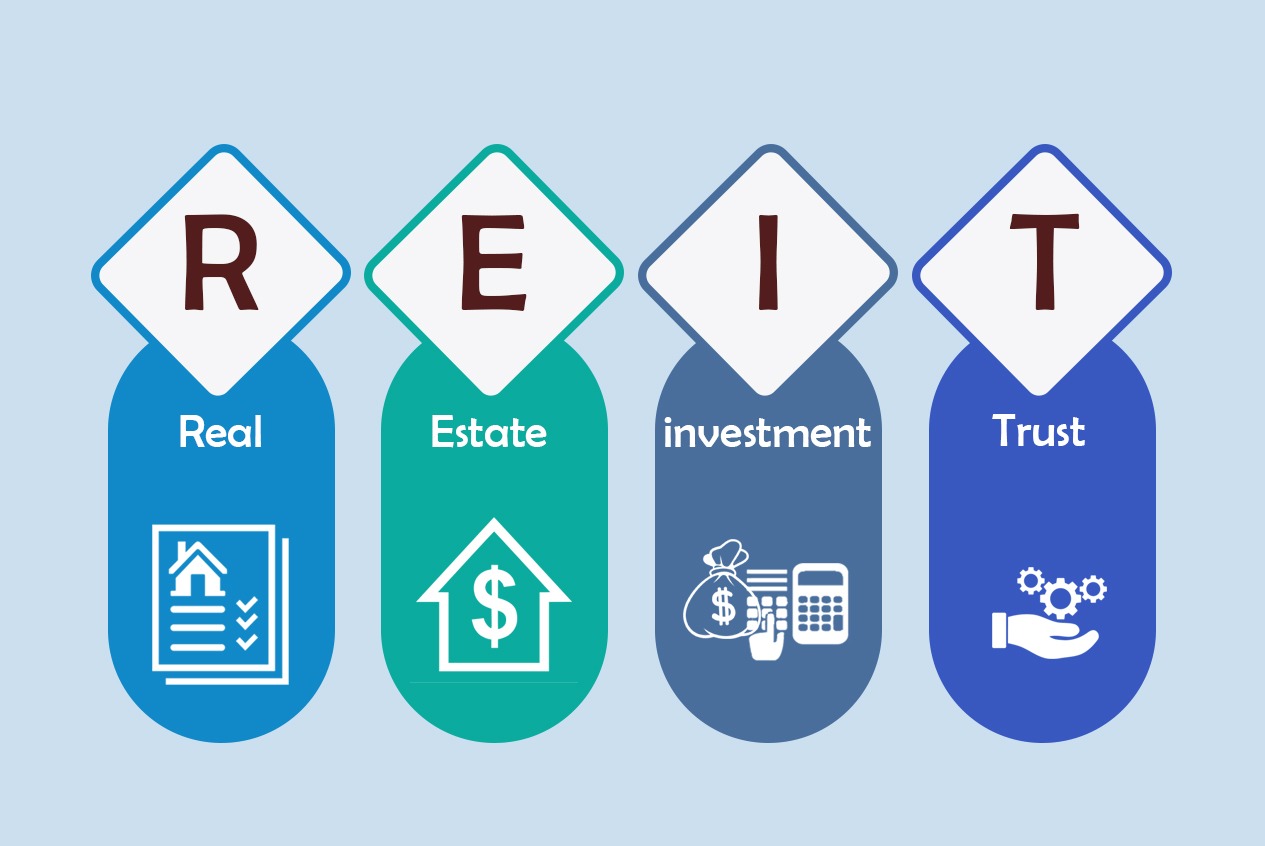
REITs (Real Estate Investment Trusts) allow investors to buy shares in income-generating real estate portfolios — from residential and office buildings to shopping malls and data centers — without owning or managing physical properties.
This guide explains everything European investors need to know: from accessing REITs, understanding tax implications, to choosing the right strategy for long-term growth.
What Is a REIT?
A REIT is a company that owns, operates, or finances income-producing real estate. Investors can buy shares in REITs similar to stocks and receive dividends from rental income or asset appreciation.
REITs must:
- Return at least 90% of taxable income to shareholders
- Be listed on public exchanges or available privately
- Focus primarily on real estate or mortgage-backed securities
Why Invest in REITs from Europe?
For European investors, REITs offer several advantages:
- Passive income through dividends
- Global property exposure without owning physical assets
- Liquidity, unlike traditional real estate
- Low entry barriers, starting from as little as €100
- Diversification across sectors and geographies
Whether you’re in Germany, France, Spain, or Sweden, REITs are accessible and regulated through major exchanges and online platforms.
Step-by-Step: How to Invest in REITs from Europe
1. Choose the Type of REIT
There are three main types:
- Equity REITs: Own and operate real estate (e.g., retail, residential, industrial)
- Mortgage REITs (mREITs): Invest in property debt and earn from interest
- Hybrid REITs: Combine property ownership and mortgage investments
👉 Equity REITs are the most popular for consistent income and capital appreciation.
2. Pick Your Investment Platform
You can invest in REITs from Europe using:
- European stock exchanges (e.g., Euronext, Xetra, BME)
- U.S.-listed REITs via brokers like DEGIRO, eToro, Interactive Brokers, or Trade Republic
- REIT ETFs, which bundle multiple REITs for diversification (e.g., iShares Developed Markets Property ETF)
- Crowdfunding platforms (e.g., EstateGuru, Reinvest24, or Bricksave) for local REIT-style models
👉 Always compare fees, minimum investments, and tax documentation before choosing a broker.
3. Understand Tax Implications
European investors must consider domestic and foreign tax rules:
- U.S. REIT dividends are usually taxed at 30% withholding, unless reduced by a double taxation treaty
- Local tax laws may require declaring foreign dividend income
- Use a tax-advantaged account where possible (e.g., ISA in the UK, PEA in France, or tax shelters in Germany)
👉 Consult a tax advisor to ensure compliance and optimize returns.
4. Analyze and Select REITs
Key factors when choosing REITs:
- Dividend yield (4%–8% is typical)
- Sector focus: residential, logistics, data centers, healthcare, etc.
- Geographic diversification
- Expense ratios (especially in REIT ETFs)
- Debt levels and payout ratios
Some top-performing global REITs include:
- Prologis (industrial/logistics)
- Digital Realty Trust (data centers)
- Vonovia SE (German residential)
- Unibail-Rodamco-Westfield (European retail)
5. Decide on Your Strategy
There are several approaches to invest in REITs from Europe:
- Buy and hold: Ideal for long-term passive income
- Dividend reinvestment (DRIP): Grow holdings faster through compounding
- Sector rotation: Shift between REIT sectors based on market trends
- Geographic allocation: Balance between domestic EU REITs and international ones
👉 Set clear goals: Are you investing for retirement, monthly income, or growth?
Risks to Consider
Like all investments, REITs come with risks:
- Interest rate sensitivity: Rising rates can reduce REIT appeal
- Market volatility: REITs are traded like stocks and can fluctuate
- Currency exchange risk: For cross-border investments in USD
- Tax complexity: Multiple jurisdictions may require detailed reporting
Benefits of REIT ETFs for European Investors
If you’re just getting started or prefer hands-off investing, REIT ETFs offer:
- Broad exposure across many REITs
- Lower risk through diversification
- Automatic dividend reinvestment options
- Available on European platforms in EUR, GBP, or USD
Top picks:
- iShares Global REIT ETF (REET)
- SPDR Dow Jones Global Real Estate ETF
- Lyxor FTSE EPRA/NAREIT Developed Europe ETF
Final Thoughts
Learning to invest in REITs from Europe opens the door to global real estate markets without the hassle of physical property ownership. Whether you prefer individual REIT stocks, diversified ETFs, or European-based REITs, the path to building passive income and capital growth is accessible and rewarding.
Focus on low-fee platforms, diversify across regions and sectors, and stay tax-compliant to make the most of your investment journey.


