How to Study Abroad for Free: Proven Strategies
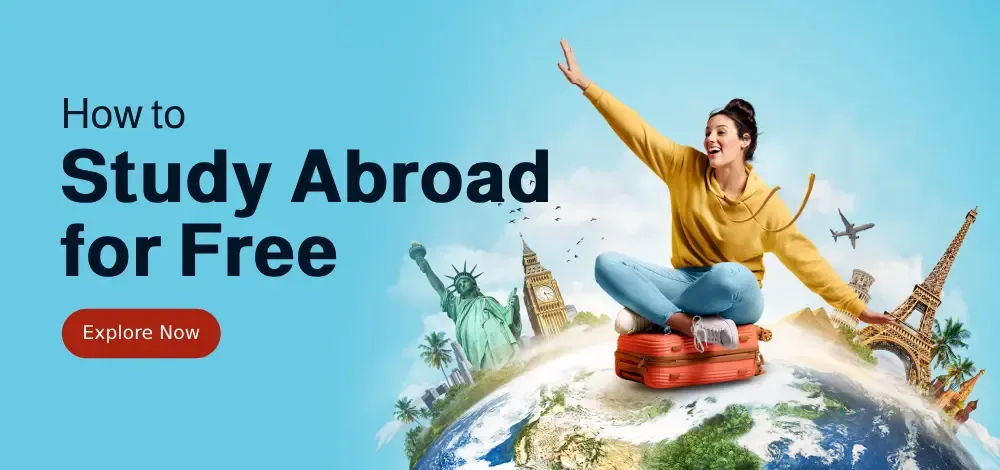
Many students dream of traveling the world, immersing themselves in new cultures, and earning a globally recognized degree—but financial barriers often stand in the way. The good news? It’s entirely possible to learn how to study abroad for free through the right combination of scholarships, tuition waivers, government funding, and alternative education pathways.
Whether you’re in high school, pursuing a bachelor’s degree, or aiming for graduate studies, this guide will walk you through practical and realistic ways to make free international education a reality.
1. Apply for Fully Funded Scholarships
Fully funded scholarships cover everything—from tuition to accommodation, airfare, insurance, and even monthly stipends. They are highly competitive but available across countries and universities.
Popular Global Scholarships:
- Erasmus+ Program (Europe): Covers study, travel, and living costs
- DAAD Scholarships (Germany): Offered for undergrad and postgrad studies
- Chevening Scholarships (UK): Fully funded master’s programs
- Fulbright Program (USA): Grants for international students
- MEXT Scholarships (Japan): Funded by the Japanese government
Tip: Apply early and tailor your personal statement to match the goals of the scholarship provider.
2. Study in Tuition-Free Countries
Several countries offer tuition-free education for both domestic and international students, especially in public universities.
Top Tuition-Free Study Destinations:
- Germany: No tuition fees at most public universities; only a small semester contribution
- Norway: No tuition fees for international students at public universities
- Finland: Free for EU/EEA students; scholarships available for others
- Austria and Sweden: Low tuition or free for certain programs and nationalities
- Brazil and Czech Republic: Free programs available if you study in the native language
Tip: Learn the basics of the local language—it can open access to even more programs and opportunities.
3. Enroll in Exchange or Government-Sponsored Programs
You can study abroad for free temporarily through student exchange programs or partnerships between institutions and governments.
Popular Programs:
- ISEP Exchange: Pay home tuition, study abroad at a partner university
- U.S. Department of State’s YES and NSLI-Y: High school and language immersion abroad
- Commonwealth Exchange Programs: Undergraduate and postgraduate opportunities across member states
- Government-to-government agreements: Ask your education ministry or university for bilateral programs
These options often include free tuition, subsidized housing, and cultural stipends.
4. Study Online, Then Transfer
Start your degree online through low-cost or free MOOCs (Massive Open Online Courses) or open universities and later transfer abroad for physical completion or specialization.
How It Works:
- Complete general education or foundational courses online
- Use transfer agreements with international universities
- Save on costs for the initial years, then apply for scholarships for the final portion abroad
Platforms like edX, Coursera, and University of the People offer recognized online degrees or credits that can be transferred.
5. Volunteer or Work While Studying Abroad
Some programs let you volunteer or work in exchange for education or housing, helping you reduce costs significantly.
Examples:
- WWOOF (Worldwide Opportunities on Organic Farms): Exchange farm work for food and housing
- EVS/ESC (European Solidarity Corps): Volunteer and receive free housing, meals, and pocket money
- Teaching Assistant Programs: In countries like France, Spain, and South Korea
- Student part-time jobs: Many countries allow international students to work 10–20 hours/week
Tip: Always check the visa requirements and work restrictions in your destination country.
6. Leverage Crowdfunding and Sponsorships
If traditional funding isn’t an option, consider raising money through platforms like GoFundMe, FundMyTravel, or scholarship communities.
Strategies:
- Create a compelling story
- Show your academic goals and the potential impact
- Offer updates or value to donors (like cultural insights, videos, blogs)
- Reach out to NGOs, religious institutions, or community organizations for partial sponsorships
7. Apply to Tuition-Free Online Universities
Certain accredited online universities offer completely free tuition, especially in business, computer science, and health-related fields.
Examples:
- University of the People: Tuition-free degrees (you only pay exam fees)
- OpenLearn (The Open University): Free courses, especially in the UK
- FutureLearn and Saylor Academy: Certificates and micro-credentials
- MIT OpenCourseWare: Access to real university-level course materials
Use these programs as stepping stones toward future scholarships or advanced study abroad.
Documents You’ll Often Need for Applications
Prepare these essentials early to improve your chances:
- Academic transcripts
- Language test scores (IELTS, TOEFL, or local exams)
- Personal statement or motivation letter
- Recommendation letters
- Valid passport
- Research proposal (for graduate studies)
Pro tip: Tailor your documents to each country and scholarship program to stand out.
Conclusion: Your Dream to Study Abroad Can Be Free
You don’t need a fortune to see the world and get a degree. Learning how to study abroad for free is about knowing where to look, being strategic with your applications, and taking advantage of global education initiatives. Whether through fully funded scholarships, tuition-free universities, or exchange programs, the opportunities are out there.
Start planning now, stay organized, and don’t underestimate your potential—the world is your classroom.