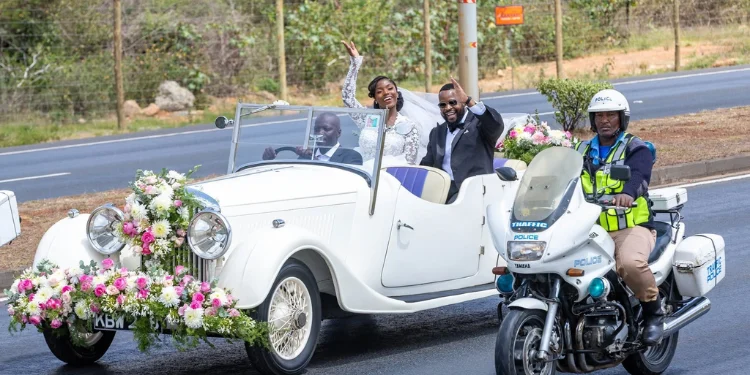
In Kenya, hiring police officers, including police convoys, for private functions such as weddings, corporate events, or high-profile gatherings, is legal, but it must be done following the proper legal procedures outlined in the National Police Service Act (No. 11A of 2011). This system ensures that public resources, such as police officers and their services, are used appropriately and transparently while safeguarding both public and private interests.
Understanding the Legal Framework
According to the National Police Service Act, police officers can be deployed for private events, but this is only permissible under specific circumstances. The Inspector General (IG) of the National Police Service (NPS) is authorized to assign police officers to such events for the protection of the public good or interest. The law also clarifies that any payment made for these services must go to the National Treasury.
The relevant section of the Act states:
“Private use of police officers, The Inspector-General may, on application by any person, station an officer for duty at such place and for such period as the Inspector-General may approve. Notwithstanding the subsection, the Inspector-General shall only deploy an officer for private use for the protection of the public good or interest.”
This provision ensures that while private individuals or organizations can hire police convoys or officers, their primary responsibility is to maintain security for public good, ensuring that private use does not disrupt the public order or security infrastructure.
Step-by-Step Process of Hiring Police Officers
To hire a police convoy or security detail for your event in Kenya, follow these steps:
- Visit the Nearest Police Station:
To begin, visit the nearest police station or service desk to request the deployment of police officers for your event. Be prepared to explain your requirements, whether it’s for an event, wedding, or other private functions. - Submit an Application:
The application should detail the reason for hiring police services, the date(s) of the event, the location, and the number of officers needed. The Inspector-General will assess the need based on these details and determine whether the request aligns with legal guidelines. - National Police Service Assessment:
After the request is submitted, the National Police Service (NPS) will assess your need for security and evaluate if your event requires police services. This ensures that officers are not diverted from essential public duties and that their involvement is for the safety of both individuals and the public at large. - Payment and Confirmation:
After approval, the NPS will provide details of the payment required, which may cover allowances, transportation, and overtime fees. The cost will vary depending on the number of officers, their rank, whether they are armed or unarmed, and how long the deployment lasts. Payment must be made in accordance with the law, and any service charges will go to the National Treasury. - Deployment:
Upon successful payment and final approval, the police will be deployed according to the agreed terms. The officers will be tasked with providing the agreed-upon level of security, which may range from offering a police escort to providing security for the entire duration of the event.
Costs of Hiring Police Officers
The cost of hiring police officers for private events depends on several factors, including:
- Rank of Officers: Higher-ranking officers tend to have higher service fees.
- Armed vs Unarmed Officers: Armed officers typically come at a higher cost due to the added responsibilities and risks.
- Duration of Service: Longer events may require additional overtime charges.
- Transport Costs: If officers need to travel significant distances, transport costs may be added to the total service fee.
The total cost can vary based on these variables, and it’s essential to agree on a budget beforehand to avoid surprises. It’s also crucial to ensure that the monies paid for police services are routed properly, going directly to the National Treasury.
Public Debate: Should Police Escorts Be Reserved for Officials?
The issue of hiring police escorts for private events gained attention recently after a viral video showed a police convoy accompanying Prime Cabinet Secretary Musalia Mudavadi’s son at his wedding. While some questioned whether such escorts should be reserved for high-ranking government officials, others emphasized that the practice is legal and accessible as long as proper procedures are followed.
Some social media users expressed varying opinions:
- Mwirigi Allan: “You just hire them the way professional mourners are hired during burials.”
- Cherry: “It’s allowed to have hired police in your wedding, no crime here.”
- Ados Nyanjwa: “It’s called a state wedding. Kaa kwa serikali usikie utamu huo.”
These mixed reactions underscore the debate over the use of public resources for private events, with many agreeing that the practice is acceptable as long as the procedures are adhered to and the necessary approvals are obtained.
Conclusion
Hiring police officers, including convoys, for private functions in Kenya is a legal practice governed by the National Police Service Act. It allows individuals and organizations to access professional security services for personal events, but the process involves a clear structure and compliance with set guidelines.
By following the required steps, from submitting an application to making the necessary payments, individuals and businesses can lawfully secure police escorts for events. This ensures that law enforcement resources are used efficiently and responsibly, serving both public and private interests without compromising public security.
For anyone seeking police services for private functions, it’s essential to engage with the local police stations, provide accurate event details, and ensure that all financial transactions are routed properly to the National Treasury, maintaining full legal compliance.