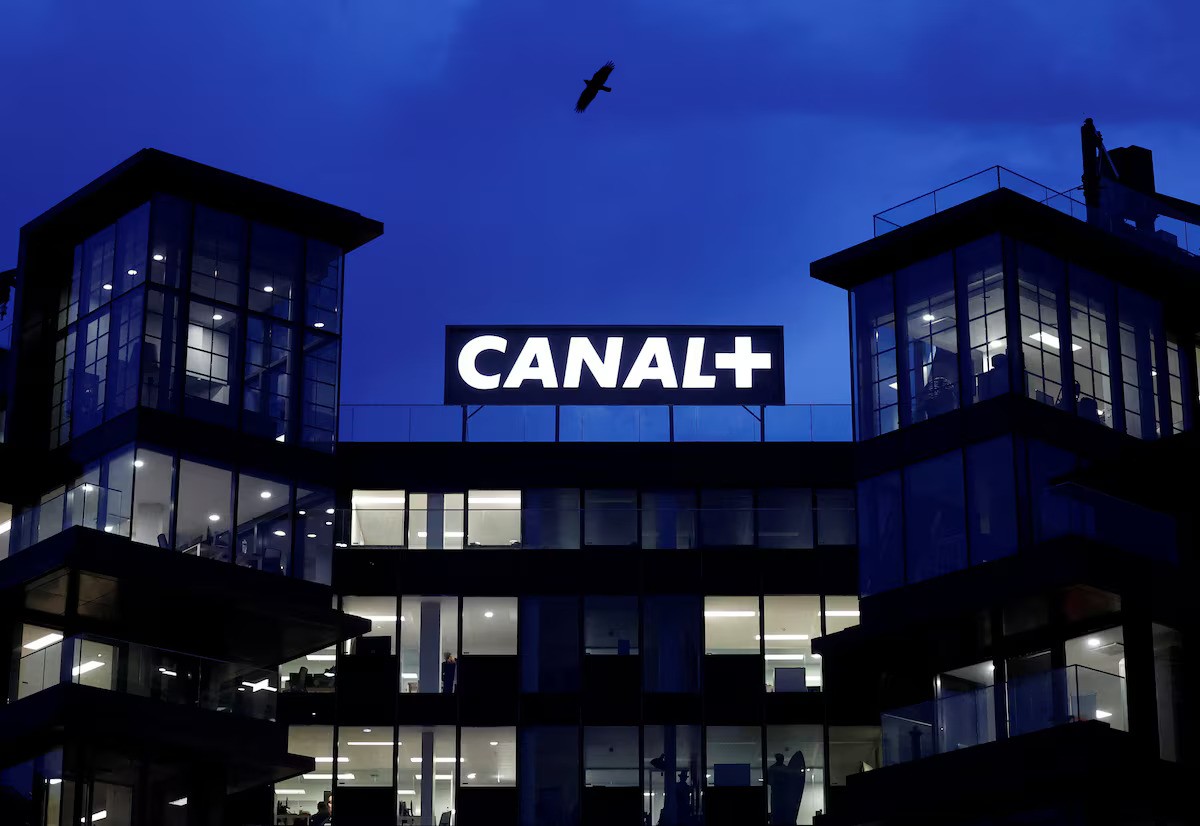
In September 2025, Canal+ completed its long-anticipated takeover of MultiChoice Group, Africa’s biggest pay-TV company. The 20-month deal didn’t just change ownership—it changed the direction of African television. It marked a new era of foreign control, deep restructuring, and a looming showdown with global streaming platforms.
A Calculated Takeover
For Canal+, the motive was clear—scale, sports rights, and continental dominance. For MultiChoice, the move offered capital and global leverage to compete in an industry being transformed by over 500 streaming services operating across Africa. Both sides needed each other: one for reach, the other for survival.
However, the deal faced a legal obstacle. South Africa’s broadcasting law limits foreign ownership of licensed broadcasters to 20 percent. The solution was creative: MultiChoice carved out a locally controlled South African unit to satisfy regulators, while Canal+ took over the wider group structure. On paper, it remained “locally owned,” but strategically, control shifted to Paris.
The 20-Month Journey
The path to takeover began on February 1, 2024, when Canal+ made an initial non-binding offer at ZAR 105 per share, which MultiChoice rejected. By March 2024, regulators stepped in after Canal+ surpassed the 35 percent ownership threshold, forcing a formal offer to all shareholders.
The French group raised its bid to ZAR 125 per share, valuing MultiChoice at roughly $3 billion. Approvals trickled in through mid-2025, with the Competition Tribunal giving a conditional green light in July—requiring structural compliance with local ownership rules. By September 22, 2025, the takeover became unconditional, and a new board chaired by Maxime Saada was installed. Within days, Canal+ controlled 94 percent of MultiChoice shares, triggering a full delisting from the Johannesburg Stock Exchange.
The New Reality for DStv, GOtv, and Showmax
With the ink barely dry, Canal+ moved fast to reshape its African empire. It cut decoder prices across major markets like South Africa, Kenya, and Nigeria, signaling a drive to make satellite TV affordable again. It also announced “Open Time” weekends, giving all DStv customers temporary access to Premium content—a strategy aimed at slowing subscriber losses and encouraging upgrades.
Behind the scenes, the company began integrating DStv, GOtv, and Showmax into one unified ecosystem. The goal: a super app blending live TV, streaming, billing, and digital payments under one platform.
For viewers, the benefits seem immediate—lower entry costs, wider content, and more flexible access options. For African creators, it opens a gateway to bigger budgets and new collaborations. Yet the consolidation also raises questions about market concentration and creative independence as fewer entities control what millions watch daily.
Canal+’s Continental Advantage
The acquisition gives Canal+ a distribution network of over 40 million subscribers, spanning Anglophone and Francophone Africa. For the first time, a single company controls a pay-TV pipeline that stretches from Cape Town to Dakar.
It also gives MultiChoice renewed financial muscle and global content partnerships, but at the price of homegrown independence. While MultiChoice remains symbolically South African, its strategic direction now answers to an international parent.
The Shifting TV Battlefield
The takeover redraws Africa’s entertainment map. Netflix, Amazon Prime Video, and other streamers must now face a powerful rival with decades of billing relationships, established satellite infrastructure, and brand loyalty in living rooms across the continent.
For regulators, it’s a delicate precedent. The balance between protecting national media sovereignty and welcoming foreign capital has now been tested—and rewritten.
The Road Ahead
In the months ahead, Canal+ plans to consolidate operations, modernize content delivery, and push Showmax into markets where it can directly rival global players. Whether this strategy leads to sustainable growth or temporary recovery remains uncertain.
The bigger question is cultural: how “local” can a foreign-owned media empire remain when its business decisions—from editorial focus to sports rights—shape African screens and storytelling?
Regardless of the answers, one truth stands out. The Canal+-MultiChoice merger wasn’t just a corporate deal; it was a power transfer that will define what Africa watches, how it watches, and who controls that experience for decades to come.