The history of squatting in Kenya traces back to colonial times when Black African farm workers were forced to live on white-owned lands without ownership. By 1945, over 200,000 squatters—mainly Kikuyu—were concentrated in Kenya’s fertile Highlands. This system sparked political resistance, most notably the Mau Mau uprising, and continued through independence in 1963.
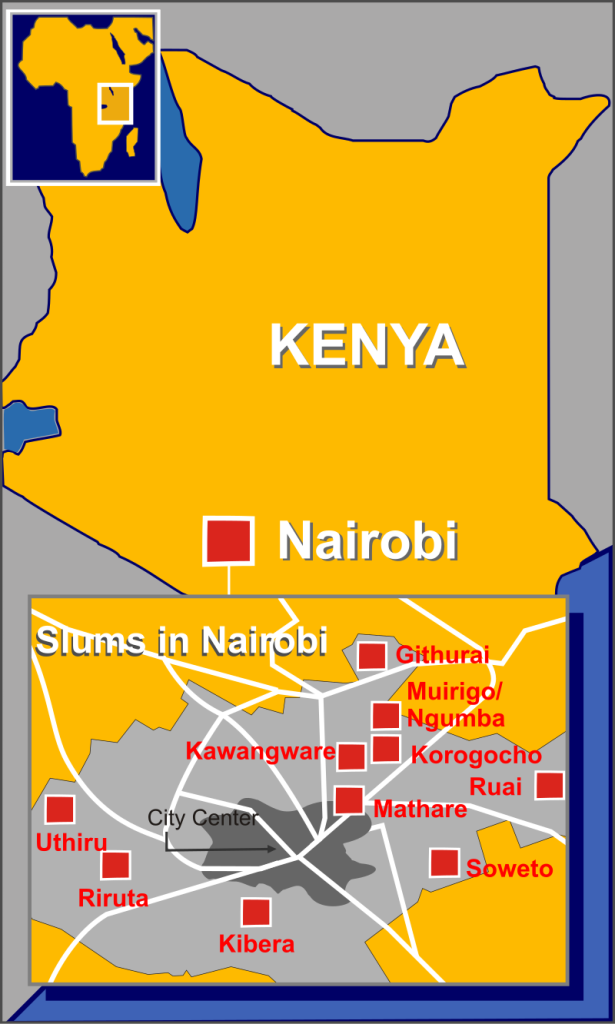
In modern Kenya, the history of squatting continues to shape land disputes, urban housing crises, and indigenous rights conflicts. Today, millions live in informal settlements like Kibera and Mathare, while community groups challenge agricultural giants over ancestral lands. Government-led titling efforts have made progress, but many squatters still await legal recognition.
Colonial Roots and the Rise of the Squatter Class
In 1920, Kenya became a British Crown colony, and white settlers seized over 7 million acres of fertile land, displacing indigenous communities to designated reserves. Africans who worked these lands were allowed small plots to grow food and became known as “squatters” by the 1920s. The Kikuyu, Kenya’s largest ethnic group, were especially affected, with 1.25 million people confined to just 1.3 million acres by 1948.
By the 1930s, squatters had grown in number and influence. In the fertile Rift Valley, settlers relied on their labor while restricting their land use. Laws like the 1918 and 1937 Resident Native Labourers Ordinances attempted to control squatters by capping how much they could farm and requiring minimum labor days per year. Resistance followed in the form of strikes, sabotage, and illegal settlement.
The Mau Mau Uprising and Displacement
By 1945, more than 200,000 licensed squatters were living in the Highlands, over half of whom were Kikuyu. Tensions escalated when the government forced Kikuyu relocation to settlements like Olenguruone, igniting outrage. The Mau Mau rebellion, launched in the late 1940s, found strong support among these displaced squatters.
From 1952 to 1956, the Mau Mau War led to violent suppression and the forced removal of thousands from white settler lands. In response, the 1954 Swynnerton Plan recommended a new land registration system, laying the groundwork for post-independence land redistribution.
Post-Independence Squatting and Land Reforms
After independence in the early 1960s, many Kenyans began squatting on former settler land, especially in Central Kenya and the Coast Province. The Land Development and Settlement Board allowed Africans to legally purchase land in the “White Highlands.”
From 1963 to 1978, President Jomo Kenyatta supported squatters resisting World Bank forestation projects, especially in places like Turbo. Squatting remained a tool of rural landless people seeking justice through direct occupation.
Urban Squatting and Informal Settlements
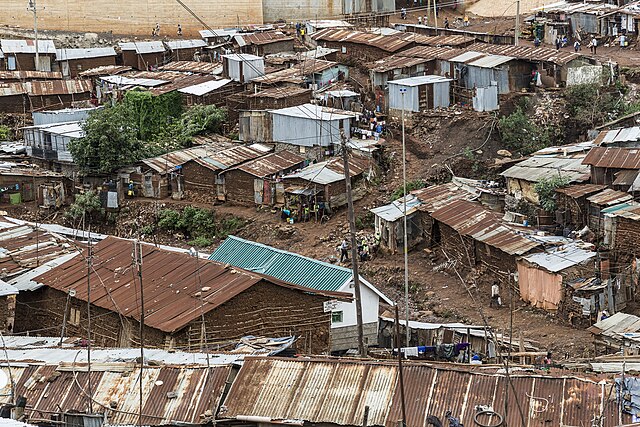
By 2007, the UN DESA reported that 55% of Kenya’s urban population lived in slums. In Nairobi, 4.39 million people lived in the city by 2019, with around half residing in informal settlements such as Kibera, Mathare, and Huruma, which occupy just 1% of the city’s land. These slums remain central to Kenya’s housing crisis, driven by poverty, land speculation, and unregulated growth.
GIS technology has helped estimate population figures in places like Kibera (around 283,000) and Mathare, which began as squatted villages in the 1960s. These areas still lack proper infrastructure and secure land tenure.
Indigenous Displacement and Land Conflict
Squatting is not limited to urban areas. In rural Kenya, conservation policies have led to mass evictions of indigenous groups. In 2014, the government expelled over 15,000 Sengwer people from Embobut Forest, labeling them squatters despite their ancestral claims. Similar actions occurred in the Mau Forest, justified by environmental concerns, despite the human rights backlash.
Squatters have also clashed with companies like Del Monte Kenya and Kakuzi Limited, claiming the land was unjustly taken. With the 2012 formation of the National Land Commission, such disputes have gained legal visibility, although justice is still elusive.
Modern Legal Reforms and Land Titling
In response to longstanding land injustices, the Kenyan government launched the National Land Titling Programme in 2013. In 2020, President Uhuru Kenyatta pledged to give two-thirds of Kenyans legal titles. By 2022, over 1 million titles were issued across 42 counties.
Projects like the Mikanjuni land transfer in Kilifi have seen the state purchase land to resettle 1,300 squatter families. While progress is visible, many Kenyans remain landless or in precarious tenure arrangements, awaiting formal recognition.