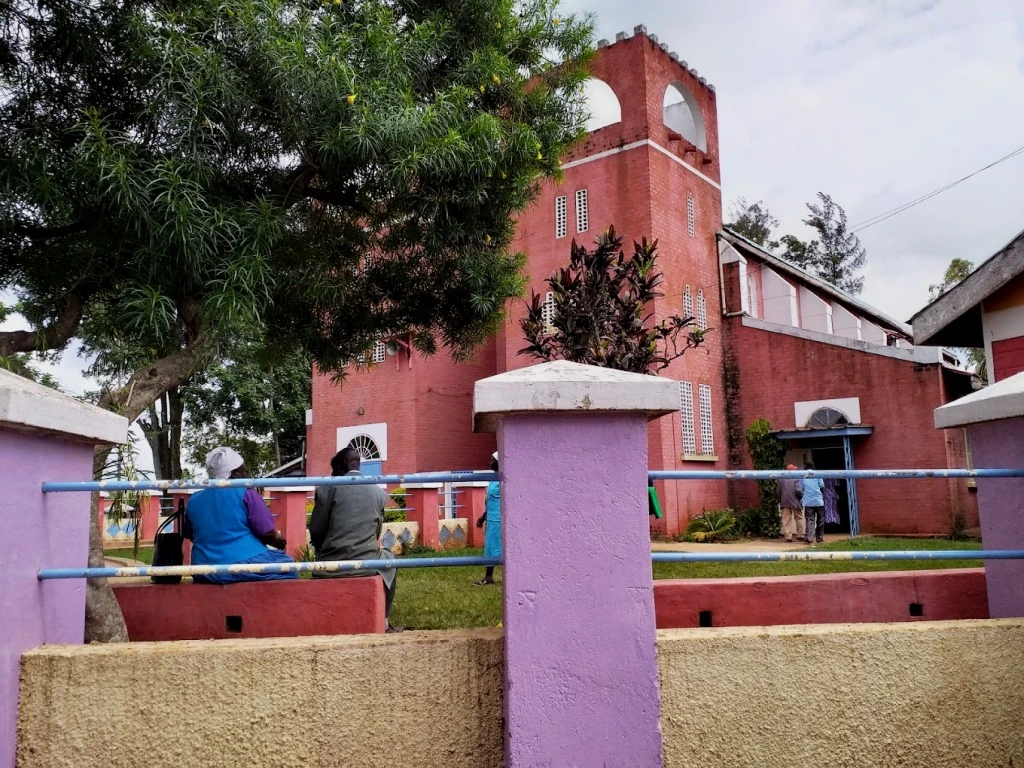
Historic churches in Kenya tell one of the country’s most important stories: the journey from traditional sacred spaces and early coastal Christianity to mission stations, cathedrals, African-led churches, schools, hospitals, and modern Christian communities. They are places of worship, but they are also landmarks of architecture, memory, education, culture, colonial history, community organization, and national transformation.
You do not have to be deeply religious to appreciate historic churches. Their stained glass, old stone walls, timber roofs, towers, bells, graves, memorial plaques, mission records, altar spaces, and quiet courtyards can speak to anyone interested in history, architecture, travel, and heritage. Some churches are grand cathedrals in major towns. Others are simple mission chapels in rural landscapes. Some are linked to European missionary societies. Others grew from African religious movements, local leadership, and community faith.
Together, historic churches in Kenya form a map of how Christianity spread, adapted, contested traditions, supported education, shaped politics, and became one of the country’s most influential social institutions.
Why Historic Churches in Kenya Matter
Historic churches in Kenya matter because they are physical witnesses to the country’s religious, cultural, educational, and social history. Many mission churches were not only places of worship. They also became centers of literacy, schooling, health care, printing, translation, community organization, and anti-slavery work.
The uploaded source explains that Christianity in Kenya has a layered history, beginning with early coastal contact and growing strongly from the mid-19th century through missionary activity, colonial expansion, schools, health centers, and church institutions.
Churches as Heritage Sites
A historic church can be appreciated as a heritage site because it preserves architecture, memory, and community identity. Many churches were built with local stone, coral rag, timber, mud, iron sheets, or later masonry. Some contain old graves, plaques, founding records, mission archives, bells, and memorials.
Churches can also mark turning points in local history: the arrival of missionaries, the establishment of schools, the founding of hospitals, the training of African clergy, the emergence of independent churches, and the growth of towns around mission stations.
Churches as Community Anchors
In many parts of Kenya, churches became anchors for community life. They hosted Sunday worship, baptisms, weddings, funerals, school meetings, youth groups, choirs, women’s fellowships, health campaigns, civic discussions, and charity work.
This influence continues today. Churches remain central to Kenyan public life, shaping education, welfare, politics, morality, social support, and community development.
Sacred Spaces Before Modern Christianity
Before missionary Christianity became widespread, Kenya already had sacred landscapes and religious practices. Many communities maintained shrines, sacred forests, hills, caves, ancestral sites, ritual grounds, and places of prayer. These spaces were respected and often governed by strict rules.
The uploaded source notes that native shrines existed across Kenya well before colonial conquest and were used for prayers, sacrifices, community rituals, and reverence toward a higher presence.
Why This Context Matters
This context matters because Christianity did not arrive in an empty spiritual landscape. It entered societies that already had religious beliefs, moral systems, elders, ritual specialists, sacred places, ceremonies, and understandings of life, death, blessing, misfortune, land, ancestors, and community.
Mission churches therefore became places of encounter. They introduced new teachings and institutions, but they also met local customs that were deeply rooted.
Continuity and Change
In some areas, Christianity replaced older practices. In others, it coexisted with them. In many communities, local culture influenced how Christianity was received, sung, preached, dressed, and organized.
This is why historic churches in Kenya should be read not only as imported institutions, but also as places where Kenyan communities negotiated faith, identity, power, education, and cultural change.
Early Coastal Christianity and the Portuguese Era
The earliest Christian presence on the Kenyan coast is linked to Portuguese exploration and Indian Ocean trade. Vasco da Gama and his crew reached the East African coast in 1498 during the Portuguese search for a sea route to India.
The uploaded source notes that the earliest Christians to visit East Africa included Vasco da Gama and his crew, including Roman Catholic missionaries, although their main purpose was linked to commerce and sea routes rather than inland evangelization.
The Portuguese Chapel in Malindi
The Portuguese Chapel in Malindi is one of the most important Christian heritage sites in Kenya. National Museums of Kenya says the chapel is said to be the oldest Christian church in East Africa and was declared a gazetted monument in 1935.
The chapel’s importance lies in its age, coastal setting, Portuguese connection, graveyard, and role as a rare physical reminder of early Christian contact on the East African coast.
Vasco da Gama Pillar and Malindi Heritage
The Portuguese presence in Malindi is also remembered through the Vasco da Gama Pillar. National Museums of Kenya says the pillar is under its care and was gazetted as a national monument in 1935.
Malindi’s Christian heritage therefore sits within a wider coastal history of trade, navigation, diplomacy, Islam, Portuguese influence, Swahili civilization, and Indian Ocean contact.
Rabai Mission and the Beginning of Lasting Missionary Christianity
The most lasting Christian influence in Kenya began in the 19th century with missionary work at the coast and then inland. Rabai, near Mombasa, is one of the most important sites in this history.
National Museums of Kenya records that Rabai Mission Station was founded by Ludwig Krapf, a Church Missionary Society missionary, and that the first church in what is now Kenya, Saint Paul’s Anglican Church of Kenya, was built there in 1846.
Johann Ludwig Krapf and Johannes Rebmann
Johann Ludwig Krapf and Johannes Rebmann were among the earliest Protestant missionaries in East Africa. They worked under the Church Missionary Society and are strongly associated with the beginning of sustained Christian mission work in Kenya.
Their work included preaching, translation, education, anti-slavery activity, and efforts to reach communities beyond the coast.
Why Rabai Matters
Rabai matters because it became a base for Christian mission, literacy, and inland exploration. It was not only a church site. It became a place where religious, educational, linguistic, and social work took root.
Rabai also played a role in the emancipation of enslaved people in East Africa, according to National Museums of Kenya.
Rabai as a Heritage Destination
Today, Rabai Museum preserves this history. Visitors interested in Christian heritage, missionary history, coastal history, education, and early church architecture can use Rabai as one of the best starting points for understanding Christianity in Kenya.
Missionaries, Schools, Hospitals and Colonial Kenya
By the late 19th and early 20th centuries, Christian missions expanded inland. Missionaries founded stations, schools, churches, dispensaries, hospitals, printing projects, and training centers.
The uploaded source explains that mission stations, schools, and health centers became key tools for spreading Christianity, especially as missions moved inland after the establishment of British colonial rule.
Education and Literacy
Mission schools were among the earliest formal education institutions in many parts of Kenya. They taught reading, writing, catechism, arithmetic, vocational skills, and later broader subjects.
This made churches powerful engines of literacy and social mobility. Many early African teachers, clerks, nurses, pastors, and political leaders passed through mission education.
Health and Social Services
Mission hospitals and dispensaries also shaped communities. In places where government health services were limited, churches provided clinics, maternity care, vaccination campaigns, nursing training, and public health outreach.
This is one reason many historic mission churches are close to schools, hospitals, colleges, or former mission compounds.
Tension With Local Traditions
The relationship between missionaries and African communities was not always peaceful or simple. The uploaded source notes that missionary activities sometimes conflicted with local traditions and customs.
These tensions involved issues such as initiation rites, marriage customs, polygamy, dress, ritual practice, gender roles, ancestral beliefs, land, labor, and authority.
Historic churches therefore carry both positive and difficult memories.
African Independent Churches in Kenya
As Christianity spread, many African Christians sought more autonomy, cultural relevance, and local leadership. This led to the growth of African Independent Churches.
The uploaded source mentions African Independent Churches and notes that some combined Christianity with African customs, appealing to people who wanted to maintain cultural identity while practicing Christian faith.
Why African Independent Churches Emerged
African Independent Churches emerged for several reasons:
Resistance to European church control
Desire for African leadership
Need for culturally meaningful worship
Disagreement over mission rules
Healing and spiritual practices
Prophetic movements
Community self-organization
Nationalist sentiment
Local music, language and ritual expression
These churches helped African Christians claim ownership of Christianity rather than simply receiving it through European mission structures.
Examples and Influence
The uploaded source references movements such as African Inland Church and Legio Maria in the wider discussion of African-led Christianity.
Kenya has many other African-led churches and spiritual movements, some regionally specific and others national in reach. They form an important part of the country’s Christian landscape.
Cultural Expression
African Independent Churches often gave space to local music, drums, healing practices, prophecy, African languages, white robes, processions, spiritual discipline, and community leadership.
They show that Christianity in Kenya did not remain foreign. It became Kenyan in many forms.
Architecture of Historic Churches in Kenya
Historic churches in Kenya vary widely in design. Some were built as modest mission chapels. Others are cathedrals, stone churches, timber-roofed sanctuaries, Catholic mission buildings, Anglican memorial churches, Methodist chapels, Presbyterian mission churches, African Independent Church centers, and synagogue-like worship spaces.
Coastal Churches
Coastal churches often reflect Portuguese, Catholic, Anglican, Methodist, and Swahili coastal influences. Some use coral stone, lime plaster, simple chapel forms, arched windows, and graveyards.
The Portuguese Chapel in Malindi and churches in Mombasa, Rabai and Lamu belong to this coastal Christian heritage.
Highland Mission Churches
In central Kenya and the highlands, mission churches often developed alongside schools and hospitals. They may feature stone walls, timber trusses, steep roofs, simple towers, and memorial plaques.
Places such as Thogoto, Tuthu, Tumu Tumu, Chogoria, Limuru, and Nyeri carry strong mission-station associations.
Urban Cathedrals
Urban cathedrals in Nairobi, Mombasa, Kisumu, Meru, Isiolo, Eldoret and other towns show the growth of organized denominations and diocesan structures.
Cathedrals usually serve as mother churches for dioceses or major church regions.
Memorial Churches
Some churches were built to remember settlers, soldiers, missionaries, martyrs, founders, or community tragedies. These churches often include plaques, graves, memorial windows, or dedicated chapels.
Historic Churches and Religious Tourism in Kenya
Historic churches can play a stronger role in Kenya’s religious and heritage tourism. Visitors already travel for wildlife, beaches, mountains, festivals, and cultural sites. Churches add another layer: sacred architecture, mission history, old cemeteries, education heritage, music, stained glass, and community memory.
Who Visits Historic Churches?
Historic churches may attract:
Pilgrims
Architecture lovers
History students
Researchers
Local families
Religious tourists
Photographers
Diaspora visitors
School groups
Church groups
Cultural travelers
Some visitors come to pray. Others come to learn. Others come to admire buildings and understand local history.
What Visitors Can Experience
Visitors may see old altars, bells, stained glass, mission records, graves, memorial stones, old schools, church compounds, local choirs, Sunday services, old photographs, and nearby museums.
Where guides are available, they can explain founding stories, denominational history, local leaders, and community memories.
Respectful Visiting
Churches are active places of worship, not only tourist sites. Visitors should dress respectfully, keep noise low, ask before taking photographs, avoid interrupting services, and follow local guidance.
Index of Historic Churches in Kenya by County
The following index organizes the historic churches from the uploaded source by county.
Baringo County
St. Swithin’s Church
Elgeyo Marakwet County
Wewo Catholic Church
Homa Bay County
SDA Church Gendia
Asumbi Catholic Church
Isiolo County
St. Eusebius Cathedral
Kericho County
AIC Kericho
Sacred Heart Cathedral
ACK Kericho
Kiambu County
St. Mary’s of the Angels Church
All Saints Limuru
Watson Scott Memorial Church
PCEA Thogoto Mission Church
Kilifi County
Thomas Wakefield Memorial Methodist Church
The Portuguese Chapel
ACK Rabai Church
Kisumu County
St. Theresa’s Cathedral
Kitui County
AIC Ikutha
Lamu County
Lamu Catholic Church
Machakos County
AIC Mumbuni
Makueni County
AIC Kalamba
Kyale Catholic Church
Meru County
St. Joseph’s Cathedral
Kaaga Methodist Church
Migori County
Komotobo Mission Church
Mombasa County
ACK Mombasa Memorial Church
Holy Ghost Cathedral
ACK Emmanuel Church
Murang’a County
Murang’a St. James and All Martyrs Church
Tuthu Catholic Church
Nairobi County
St. Stephen Cathedral
St. Austin’s Cathedral
All Saints Cathedral
Nakuru County
Church of Goodwill Elementaita
Remembrance Church Njoro
Nyandarua County
Knessiah 7th Day Jewish Main Synagogue
Nyeri County
Tumu Tumu Hill Church
Consolata Nyeri Cathedral
PCEA St. Cuthbert Church
Italian Memorial Church
Samburu County
Baragoi Catholic Mission
Siaya County
Rangala Catholic Church
Taita Taveta County
St. Mark’s Anglican Church
Bura Mission Catholic Church
ACK Trinity Church Mahoo
Tana River County
Ngao Neukirchen Church
Hola Methodist Church
Tharaka Nithi County
PCEA Chogoria Church
Trans Nzoia County
St. Luke’s Anglican Cathedral
St. Patrick’s Cathedral
Vihiga County
Kidundu Friends Church
Kima Church of God
African Divine Church
Ebwali ACK Church
West Pokot County
Holy Cross Church Kacheliba
Dini ya Roho Mafuta Pole ya Africa
Important Historic Church Regions in Kenya
Kenya’s church heritage can also be understood by region.
The Coast
The coast is the earliest contact zone for Christianity in Kenya. It includes Malindi’s Portuguese Chapel, Rabai Mission, Mombasa cathedrals, Lamu Catholic Church, and coastal Methodist and Anglican heritage.
The coast is especially important because it connects Christianity with Portuguese exploration, Swahili trade, Islam, mission stations, anti-slavery work, and early contact between Europe and East Africa.
Central Kenya
Central Kenya has many mission churches linked to Presbyterian, Catholic, Anglican, Methodist and Consolata missions. Thogoto, Tuthu, Tumu Tumu, Nyeri, Chogoria, Limuru and Murang’a are important names in this history.
This region shows how missions influenced education, health, agriculture, literacy and community leadership.
Western Kenya and Lake Victoria Region
Western Kenya has strong Catholic, Anglican, SDA, Quaker, African Independent Church and mission-school histories. Rangala, Asumbi, Gendia, Kima, Kidundu and other churches reflect the region’s diverse Christian history.
The Lake Victoria region also became important for schools, hospitals, seminaries, and church-led community development.
Rift Valley and Northern Kenya
Rift Valley, northern and semi-arid regions have Catholic, Anglican, AIC and mission outposts that often served scattered communities, pastoralists, farming settlements and frontier towns.
Churches such as Baragoi Catholic Mission, St. Eusebius Cathedral, Holy Cross Kacheliba and others mark the expansion of Christian institutions into dryland and northern landscapes.
Historic Churches by Denomination
Historic churches in Kenya reflect many denominations and Christian traditions.
Anglican Churches
Anglican heritage is strongly linked to the Church Missionary Society, Rabai, ACK churches, cathedrals, memorial churches and early mission work.
ACK Rabai Church, All Saints Cathedral, ACK Mombasa Memorial Church, ACK Kericho, ACK Emmanuel Church, St. Mark’s Anglican Church and St. Luke’s Anglican Cathedral are examples from the index.
Catholic Churches
Catholic history includes the Portuguese coastal presence, missionary orders, cathedrals, mission hospitals, seminaries and schools.
Examples include Holy Ghost Cathedral, St. Austin’s Cathedral, Consolata Nyeri Cathedral, St. Theresa’s Cathedral, Sacred Heart Cathedral, St. Joseph’s Cathedral, Asumbi Catholic Church, Rangala Catholic Church and Bura Mission Catholic Church.
Presbyterian Churches
Presbyterian mission history is strong in central Kenya. PCEA Thogoto Mission Church, PCEA Chogoria Church and PCEA St. Cuthbert Church are examples.
Methodist Churches
Methodist heritage appears in coastal and inland mission history. Thomas Wakefield Memorial Methodist Church, Kaaga Methodist Church and Hola Methodist Church are examples.
African Inland Church
AIC churches are part of Kenya’s African evangelical and mission-linked history. AIC Kericho, AIC Ikutha, AIC Mumbuni and AIC Kalamba are examples.
African Independent Churches
African Independent Churches represent local ownership of Christianity. Dini ya Roho Mafuta Pole ya Africa, African Divine Church and Kima Church of God are part of this broader story. The African Israel Church Nineveh (or African Israel Nineveh Church) was officially founded on January 1, 1942, at Nyang’ori in western Kenya. It was established by David Zakayo Kivuli following his separation from the Pentecostal Assemblies of Canada mission. To learn more about its history and doctrines, you can explore the African Israel Nineveh Church World Council of Churches Profile or read the African Israel Church Nineveh Wikipedia Page.
Dini ya Msambwa was founded in the early 1940s (around 1942–1947) by Elijah Masinde Wanameme, primarily among the Bukusu people of Western Kenya. The movement was fiercely opposed by the British colonial government and was heavily persecuted—culminating in events like the Kolloa Massacre in 1950. After independence, the Kenyan government formally recognized the sect before outlawing it again.
Seventh-day Adventist and Friends Churches
SDA Church Gendia and Kidundu Friends Church reflect the diversity of Christian traditions in Kenya.
Synagogue Heritage
Knessiah 7th Day Jewish Main Synagogue in Nyandarua County stands out in the index because it reflects a different religious-heritage tradition within the broader theme of historic worship sites.
Best Historic Churches in Kenya by Experience
Different churches appeal to different visitors.
Best for Early Christian History
Portuguese Chapel
ACK Rabai Church
Thomas Wakefield Memorial Methodist Church
Lamu Catholic Church
ACK Mombasa Memorial Church
Best for Mission History
PCEA Thogoto Mission Church
PCEA Chogoria Church
Tumu Tumu Hill Church
Tuthu Catholic Church
Kaaga Methodist Church
Rangala Catholic Church
Asumbi Catholic Church
Best for Cathedral Architecture
All Saints Cathedral
Holy Ghost Cathedral
St. Austin’s Cathedral
St. Theresa’s Cathedral
St. Joseph’s Cathedral
St. Eusebius Cathedral
Consolata Nyeri Cathedral
St. Patrick’s Cathedral
St. Luke’s Anglican Cathedral
Best for African Independent Church History
African Divine Church
Kima Church of God
Dini ya Roho Mafuta Pole ya Africa
Best for Coastal Heritage
Portuguese Chapel
ACK Rabai Church
Holy Ghost Cathedral
ACK Mombasa Memorial Church
ACK Emmanuel Church
Lamu Catholic Church
Thomas Wakefield Memorial Methodist Church
Best for Central Kenya Mission Heritage
PCEA Thogoto Mission Church
All Saints Limuru
Watson Scott Memorial Church
Tuthu Catholic Church
Tumu Tumu Hill Church
Italian Memorial Church
Consolata Nyeri Cathedral
Historic Churches and Kenya’s Education Story
Many historic churches are inseparable from education. Missionaries established schools beside churches because literacy was central to Bible reading, catechism, administration and social change.
Mission Schools
Some of Kenya’s oldest and most respected schools grew from mission stations. These schools shaped teachers, clergy, nurses, civil servants, politicians, writers and professionals.
The church-school relationship remains strong in Kenya, where many schools still carry Catholic, Anglican, Presbyterian, Methodist, SDA, AIC, Quaker or other denominational identities.
Translation and Local Languages
Missionaries also worked on language translation, grammar, dictionaries, Bible translation and hymnody. This influenced written forms of local languages and early publishing.
This language work had long-term effects on education and cultural documentation.
Historic Churches and Health Care
Churches also contributed to medical work. Mission hospitals, clinics, dispensaries and nursing schools were established in many parts of Kenya.
This was one of the reasons Christianity spread: missions offered practical services that communities needed.
Medical Missions
Historic mission centers often combined church, school and clinic. This created strong institutional compounds that later grew into hospitals, colleges and town centers.
In many regions, church hospitals remain important health-care providers.
Historic Churches and Politics
Churches in Kenya have also influenced politics. They have spoken on public morality, justice, education, land, governance, democracy, corruption, poverty, peace and reconciliation.
Some church leaders supported colonial authority. Others defended African rights, education and self-determination. After independence, churches continued to influence public debates.
This makes historic churches part of Kenya’s political as well as religious heritage.
Challenges Facing Historic Churches in Kenya
Historic churches face several challenges.
Aging Buildings
Old church structures require maintenance. Roofs leak, timber decays, stone erodes, paint fades, stained glass breaks, and foundations may weaken.
Poor Documentation
Many churches have rich histories that are not properly recorded. Founding dates, old photographs, mission records, burial registers, oral histories and architectural details can be lost if not preserved.
Urban Pressure
Churches in towns face pressure from road expansion, real estate development, noise, traffic and limited space.
Declining Heritage Awareness
Some congregations may value the church as a worship space but overlook its heritage importance. Without awareness, old buildings may be altered or demolished without proper documentation.
Climate and Weather
Coastal churches face humidity, salt air and corrosion. Highland churches face rain, cold and dampness. Dryland churches face heat, dust and material stress.
How Kenya Can Preserve Historic Churches
Historic churches need intentional preservation.
Document Church Histories
Churches should record founding stories, old photographs, oral histories, architectural details, mission records, clergy lists, school links, hospital links and community memories.
Protect Important Buildings
Some churches may deserve county or national heritage recognition. Protected status can help guide restoration and prevent careless demolition.
Train Local Guides
Churches with strong heritage value can train local guides to explain history respectfully and accurately.
Create Heritage Trails
Kenya can develop Christian heritage trails around Rabai, Malindi, Mombasa, Lamu, Thogoto, Limuru, Nyeri, Tuthu, Chogoria, Tumu Tumu, Rangala and other mission sites.
Support Restoration
Restoration should preserve original design where possible. New extensions should respect historic character.
Involve Congregations
A church building survives best when the congregation understands its value and takes pride in preserving it.
Responsible Visiting Tips
Visitors should remember that historic churches are sacred and active community spaces.
Helpful tips include:
Dress respectfully
Keep noise low
Ask before taking photos
Avoid interrupting services
Do not touch sacred objects without permission
Respect graves and memorials
Use local guides where available
Give donations where appropriate
Do not litter
Follow church rules
Be sensitive during weddings, funerals and worship
A historic church visit should feel respectful, not intrusive.
Frequently Asked Questions About Historic Churches in Kenya
What are historic churches in Kenya?
Historic churches in Kenya are old or culturally important Christian worship sites linked to missionary history, architecture, education, health care, African Independent Churches, memorial heritage and community identity.
What is the oldest Christian church in Kenya?
The Portuguese Chapel in Malindi is said by National Museums of Kenya to be the oldest Christian church in East Africa. Rabai Museum also records that Saint Paul’s ACK at Rabai was the first church in what is now Kenya, built in 1846.
Why is Rabai important in Kenya’s Christian history?
Rabai is important because it was the site of one of Kenya’s earliest lasting mission stations. Ludwig Krapf founded the Rabai mission, and Saint Paul’s ACK was built there in 1846.
Which historic churches are found at the coast?
Important coastal churches include the Portuguese Chapel, ACK Rabai Church, Thomas Wakefield Memorial Methodist Church, Lamu Catholic Church, Holy Ghost Cathedral, ACK Mombasa Memorial Church and ACK Emmanuel Church.
What role did churches play in Kenya’s education?
Churches played a major role in education by founding mission schools, teaching literacy, training teachers, supporting Bible translation and creating pathways into formal employment and leadership.
What are African Independent Churches?
African Independent Churches are churches founded or led by African Christians seeking local leadership, cultural relevance and autonomy from European-controlled mission churches.
Can tourists visit historic churches in Kenya?
Yes. Many historic churches can be visited, but visitors should respect worship schedules, dress modestly, ask before taking photos and follow local church guidance.
Why should historic churches be preserved?
Historic churches should be preserved because they protect Kenya’s religious history, architecture, community memory, mission heritage, education history and cultural identity.
Key Takeaways
Historic churches in Kenya trace the country’s path from early coastal Christianity to mission stations, cathedrals, African-led churches and modern Christian communities.
The Portuguese Chapel in Malindi is said to be the oldest Christian church in East Africa.
Rabai Mission is central to Kenya’s lasting missionary Christian history, with Saint Paul’s ACK built in 1846.
Mission churches played major roles in education, health care, literacy, translation, anti-slavery work and community development.
African Independent Churches show how Kenyan Christians adapted Christianity to local leadership, culture and identity.
Historic churches are important for religious tourism, architecture, archives, memorials, community history and national heritage.
Preserving churches requires documentation, restoration, congregational pride, heritage recognition and respectful tourism.
Conclusion
Historic churches in Kenya are more than places of worship. They are stone-and-timber witnesses to faith, conflict, education, healing, cultural change and community life.
They tell the story of Portuguese chapels on the coast, Rabai’s mission beginnings, inland missionary expansion, African Christian leadership, cathedrals in growing towns, and independent churches that made Christianity speak in local voices.
Some churches are grand. Others are humble. Some stand beside schools and hospitals. Others sit quietly in rural landscapes, carrying memories of founders, converts, teachers, nurses, catechists, bishops, choirs, families and communities.
To visit a historic church in Kenya is to step into a layered story. It is a story of sacred spaces before missions, foreign evangelists, African agency, colonial tension, local adaptation, and the continuing role of faith in public life.
Kenya’s historic churches deserve preservation because they hold more than religion. They hold architecture, archives, memory, culture, education, service and the long path to modern Christianity.