


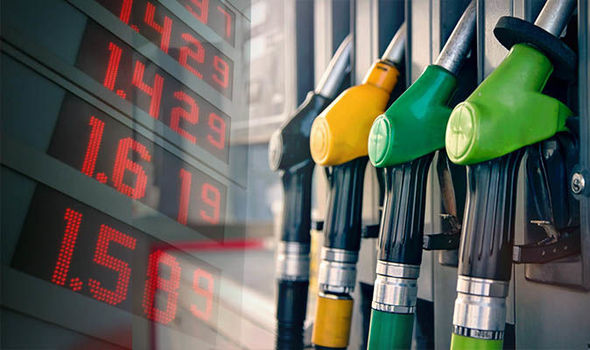
Guyana fuel prices have become one of the most closely watched economic indicators in South America as the country rapidly transforms into a major global oil producer. Despite booming offshore oil production and rising petroleum revenues, gasoline, diesel, and kerosene prices continue affecting transportation costs, inflation, household budgets, and industrial activity across the country.
The emergence of Guyana as a major energy exporter has dramatically reshaped the economy over the past several years. Offshore discoveries in the Stabroek Block have turned the country into one of the world’s fastest-growing oil producers, attracting global energy investment and reshaping national economic policy.
Fuel are any materials that can react with other substances to release energy as thermal energy or to be used for work. The concept was originally applied solely to those materials capable of releasing chemical energy but has since also been applied to other sources of heat energy, such as nuclear energy (via nuclear fission and nuclear fusion). The usage and pricing of gasoline (or petrol) results from factors such as crude oil prices, processing and distribution costs, local demand, the strength of local currencies, local taxation or subsidy, and the availability of local sources of gasoline (supply). Since fuels are traded worldwide, the trade prices are similar.
However, despite rising oil revenues, domestic fuel prices in Guyana still remain influenced by international crude oil markets, refining costs, taxes, transportation infrastructure, and currency conditions. Fuel affordability therefore continues affecting consumers, businesses, transportation companies, and agricultural producers.
Guyana fuel prices also carry wider economic implications because energy costs directly influence food distribution, mining operations, construction, transportation, and household living expenses in the rapidly expanding economy.
Current Fuel Prices in Guyana
The table below shows the latest available fuel prices in Guyana.
| Fuel Type | Date | Price (GYD) | Price (USD) | Unit |
|---|---|---|---|---|
| Gasoline (Octane-95) | 18 May 2026 | 208 | 0.996 | Per liter |
| Diesel | 18 May 2026 | 210 | 1.005 | Per liter |
| Kerosene | 18 May 2026 | 175 | 0.838 | Per liter |
Diesel prices currently remain slightly higher than gasoline prices, while kerosene remains cheaper than both transportation fuels.
Guyana’s Growing Oil Economy
Guyana has emerged as one of the world’s most important new oil producers following major offshore discoveries led by international energy companies.
Offshore Oil Production Boom
Massive offshore discoveries have transformed Guyana’s economic outlook. Oil exports have rapidly increased government revenues and foreign investment inflows.
Economic Growth Impact
The country has recorded some of the fastest economic growth rates globally due to expanding oil production and energy investment.
Energy Sector Expansion
Oil production has become central to Guyana’s economic planning, infrastructure investment, and long-term development strategy.
Why Fuel Prices in Guyana Are Rising or Falling
Several major factors influence Guyana fuel prices.
Global Oil Prices
International crude oil markets remain the largest driver of gasoline and diesel pricing. Even as an oil producer, Guyana still experiences retail price movements tied to global markets.
Refining and Import Costs
Guyana exports crude oil but still relies heavily on imported refined petroleum products for domestic fuel supply.
Transportation and Infrastructure
Fuel distribution costs and transportation infrastructure influence final retail prices across the country.
Government Revenue Policies
Authorities continue balancing fuel taxation, subsidy considerations, and broader economic development priorities.
Currency and Inflation Conditions
Economic growth and foreign investment flows have strengthened Guyana’s financial position, though inflationary pressures remain important.
Gasoline Prices in Guyana
Gasoline prices in Guyana currently average 208 GYD per liter or approximately $0.996 USD per liter.
Transportation Costs
Gasoline prices directly affect household transportation expenses, commercial mobility, and urban commuting costs.
Economic Expansion and Fuel Demand
Rapid economic growth has increased vehicle ownership and transportation demand across the country.
Consumer Spending Effects
Fuel prices influence household purchasing power and retail spending trends.
Read Also: Cuba Fuel Prices and Electricity Costs
Diesel Prices in Guyana
Diesel currently costs approximately 210 GYD per liter, slightly above gasoline prices.
Mining and Industrial Demand
Guyana’s mining sector depends heavily on diesel-powered equipment and logistics systems.
Construction and Infrastructure Boom
Rapid infrastructure development linked to the oil boom has significantly increased diesel demand.
Agriculture and Freight Transport
Agricultural production and cargo transportation systems also rely heavily on diesel fuel.
Kerosene Prices in Guyana
Kerosene currently averages 175 GYD per liter.
Household and Rural Energy Use
Some households and rural communities continue using kerosene for cooking, lighting, and energy needs.
Energy Accessibility
Fuel affordability remains important for lower-income households and remote communities.
Transition Toward Modern Energy Systems
As economic development accelerates, Guyana continues modernizing parts of its energy infrastructure.
Electricity Prices and Power Infrastructure in Guyana
Although updated electricity pricing data was not provided, electricity remains one of the country’s most important infrastructure priorities.
Electricity Reliability Challenges
Guyana continues expanding and modernizing its electricity system to support rapid economic growth and industrial expansion.
Natural Gas-to-Energy Projects
The government has promoted natural gas infrastructure projects aimed at lowering electricity costs and improving power reliability.
Industrial Electricity Demand
Mining, manufacturing, oil operations, and construction sectors all require expanded electricity generation capacity.
Renewable Energy Opportunities
Hydropower, solar, and renewable energy projects continue attracting attention as Guyana seeks to diversify its energy mix.
How Guyana Compares to Other Countries
Guyana fuel prices differ significantly from neighboring economies.
Compared With Suriname
Both countries are emerging offshore oil producers, though Guyana’s oil sector expansion has progressed more rapidly.
Compared With Venezuela
Venezuela maintains heavily subsidized fuel prices, though economic conditions differ dramatically.
Compared With Brazil
Brazil benefits from a larger refining sector and broader domestic energy infrastructure.
Compared With Global Averages
Guyana gasoline prices remain relatively moderate compared with many import-dependent economies.
Economic Impact of Fuel Prices in Guyana
Energy prices strongly influence Guyana’s broader economy.
Inflation and Living Costs
Fuel prices affect transportation expenses, food distribution, and household budgets.
Oil Revenue Growth
Expanding oil revenues are reshaping government spending, infrastructure investment, and economic planning.
Read Also: Cayman Islands Fuel Prices and Electricity Costs
Transportation and Logistics
Growing economic activity has increased transportation demand and fuel consumption.
Construction and Industrial Expansion
Infrastructure projects and industrial growth continue increasing diesel demand across the economy.
Household Purchasing Power
Stable fuel pricing remains important for consumer affordability during rapid economic expansion.
Government Policies Affecting Fuel Prices
Government policy continues shaping Guyana fuel prices and energy infrastructure development.
Oil Revenue Management
Authorities continue managing rapidly growing oil revenues through national development programs.
Fuel Pricing Oversight
Fuel pricing structures remain important for inflation management and economic stability.
Infrastructure Investment
Roads, ports, electricity systems, and industrial infrastructure remain major national priorities.
Energy Diversification
Guyana continues exploring renewable energy and natural gas development opportunities.
Future Fuel Price Forecast for Guyana
The future outlook for Guyana fuel prices depends heavily on global oil markets and domestic energy policy.
Oil Production Growth
Continued offshore oil expansion is expected to strengthen national revenues and economic growth.
Fuel Demand Increases
Economic expansion and rising industrial activity will likely increase fuel consumption.
Natural Gas Development
Gas-to-energy projects could help reduce electricity costs and improve industrial competitiveness.
Global Oil Market Risks
International crude oil prices will continue influencing domestic transportation fuel costs.
Frequently Asked Questions About Fuel Prices in Guyana
Why are fuel prices important in Guyana?
Guyana fuel prices affect transportation, inflation, industrial growth, and household affordability in one of the world’s fastest-growing oil economies.
What is the current gasoline price in Guyana?
Gasoline prices currently average 208 GYD per liter or approximately $0.996 USD per liter.
Why is diesel slightly more expensive than gasoline in Guyana?
Strong industrial, mining, transportation, and construction demand often keeps diesel prices elevated.
Is Guyana now an oil-producing country?
Yes. Guyana has become one of the world’s fastest-growing oil producers because of major offshore discoveries.
Are fuel prices expected to rise in Guyana?
Future prices will depend largely on global oil markets, domestic economic growth, and infrastructure development.
Is Guyana investing in electricity infrastructure?
Yes. The government continues prioritizing electricity expansion and natural gas-to-energy projects.
Conclusion
Guyana fuel prices now sit at the center of one of the world’s most dramatic economic transformations. As offshore oil production rapidly expands, gasoline, diesel, and kerosene prices continue influencing transportation costs, inflation, industrial development, and household affordability.
Although the country has become a major oil producer, domestic fuel prices still remain tied to international energy markets, refining costs, and infrastructure conditions. At the same time, growing oil revenues provide significant opportunities for investment in electricity systems, transportation networks, and industrial development.
Looking ahead, Guyana’s long-term energy future will depend on balancing oil wealth, infrastructure expansion, electricity modernization, and economic diversification. Monitoring Guyana fuel prices therefore remains essential for understanding both consumer conditions and the broader trajectory of one of the world’s fastest-changing economies.
Read Also: Aruba Fuel Prices and Electricity Costs


