


Guide to Green Building Tax Credits for Sustainable Projects
As the global push toward sustainable development intensifies, many governments have introduced powerful incentives to promote eco-conscious construction. One of the most impactful tools available today is Green Building Tax Credits. These credits are designed to reward developers, property owners, and businesses for embracing energy-efficient, low-impact building practices.
Whether you’re constructing a new commercial property, upgrading an existing structure, or retrofitting your home, understanding how to qualify for and claim green building tax credits can lead to substantial financial savings and long-term environmental benefits.
What Are Green Building Tax Credits?
Green building tax credits are financial incentives offered by federal, state, and local governments to encourage the adoption of sustainable construction and renovation methods. These credits reduce the amount of tax owed by developers and homeowners who integrate energy-efficient systems, renewable energy sources, and environmentally friendly materials into their building projects.
Depending on your location and the nature of your project, these incentives can range from federal deductions under the IRS to state-specific rebates and grants.
Types of Green Building Tax Incentives
There are several forms of green building tax credits and related incentives, including:
1. Federal Energy-Efficient Home Credit (Section 45L)
This incentive provides a tax credit of up to $5,000 per dwelling unit for builders who construct or manufacture homes that meet specified energy-saving requirements. It’s especially useful for developers of multi-family units and residential subdivisions.
2. Commercial Building Tax Deduction (Section 179D)
This deduction offers up to $5.00 per square foot for energy-efficient improvements to lighting, HVAC, and building envelope systems in commercial buildings.
3. Solar Investment Tax Credit (ITC)
Property owners who install solar energy systems can claim a credit of up to 30% of the cost of installation. This applies to both residential and commercial properties.
4. Renewable Energy Production Tax Credit (PTC)
The PTC provides per-kilowatt-hour tax credits for electricity generated by qualified renewable sources like wind, biomass, geothermal, and hydropower.
Key Eligibility Requirements
To qualify for green building tax credits, your project must meet specific criteria. These typically include:
- Energy Star Certification for appliances and HVAC systems
- LEED Certification or other green building ratings
- Compliance with International Energy Conservation Code (IECC)
- Use of sustainable building materials
- Installation of renewable energy systems (solar, geothermal, wind)
Additionally, proper documentation and third-party verification are often required to prove compliance.
How to Claim Green Building Tax Credits
Step 1: Consult a Tax Professional
Before you begin any project, work with a certified accountant or tax advisor who specializes in green energy incentives. They can help you navigate the legal requirements and maximize your benefits.
Step 2: Conduct an Energy Audit
Most credits require a third-party energy audit or inspection to verify your building’s efficiency. Organizations like RESNET or LEED-accredited professionals can provide this certification.
Step 3: Complete IRS Forms
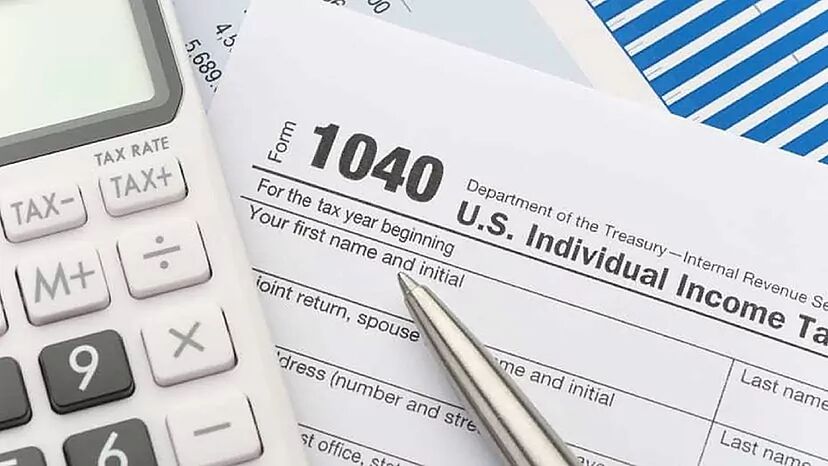
The main form used to claim federal green building incentives is IRS Form 8908 (Energy Efficient Home Credit) and Form 3468 for investment credits. Ensure that all energy assessments and documentation are attached.
Step 4: Apply for State and Local Incentives
Check with your state energy office or local utility providers to identify additional incentives. States like California, New York, and Massachusetts offer generous programs.
State-Specific Green Building Incentives
While federal credits are widely known, many states provide extra green building tax credits or rebate programs, including:
- California Solar Initiative (CSI): Rebates for residential and commercial solar systems
- New York Green Building Tax Credit: Offers per-square-foot tax credits for eco-friendly buildings
- Texas Property Tax Exemptions: Exemptions for LEED-certified and renewable energy buildings
- Oregon Residential Energy Tax Credit (RETC): For home solar panels and efficient heating/cooling systems
These programs can stack with federal credits, significantly reducing your project’s net cost.
Benefits of Green Building Tax Credits
Incorporating green building practices doesn’t just help the environment—it delivers measurable financial and operational benefits:
- Reduced utility bills through efficient systems
- Higher resale value and market demand for sustainable properties
- Compliance with future environmental regulations
- Improved occupant health and productivity
- Access to additional grants, loans, and rebates
Common Mistakes to Avoid
When pursuing green building tax credits, avoid these pitfalls:
- Failing to document energy performance
- Starting construction before confirming eligibility
- Overlooking state-specific requirements
- Using non-certified materials or contractors
- Filing forms after the IRS deadline
Proper planning and expert consultation can help you maximize your return and avoid complications.
Tools and Resources
Here are some helpful platforms and databases to support your application:
- DSIRE (Database of State Incentives for Renewables & Efficiency)
- Energy Star Rebate Finder
- U.S. Green Building Council (USGBC)
- LEED Certification Resources
- IRS Tax Forms and Publications
Final Thoughts
Green Building Tax Credits represent a strategic opportunity to cut costs, reduce emissions, and build a more sustainable future. With growing government support, developers and homeowners who adopt green practices can not only enhance their buildings’ value but also contribute meaningfully to the fight against climate change.
To make the most of these incentives, plan early, consult the right professionals, and stay informed about both federal and state opportunities. The investment you make today in sustainable construction will pay dividends for decades to come.


