Google I/O 2026 is shaping up to be one of Google’s most important developer conferences in recent years, with major announcements expected across Android, artificial intelligence, extended reality, and next-generation computing platforms.
The annual developer event is traditionally packed with software updates, hardware previews, AI demonstrations, and ecosystem announcements. This year’s keynote is expected to focus heavily on Google’s expanding artificial intelligence ambitions alongside the next evolution of Android and ChromeOS.
Among the biggest expected announcements are Android 17, Google’s long-rumored ChromeOS successor known internally as Aluminum OS, new Gemini AI upgrades, and expanded Android XR hardware partnerships.
Here is everything expected at Google I/O 2026.
Android 17 Set for Formal Introduction
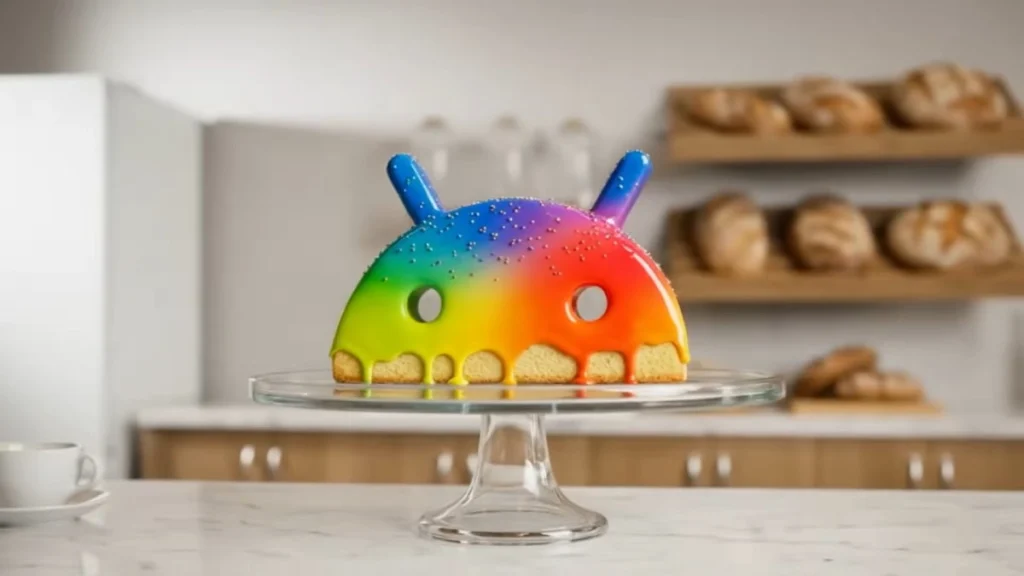
Android 17 is expected to take center stage during the keynote after Google previously previewed several features during the Android Show I/O Edition 2026.
The stable rollout of Android 17 is anticipated to begin in Q2 2026, bringing a major redesign alongside deeper AI integration.
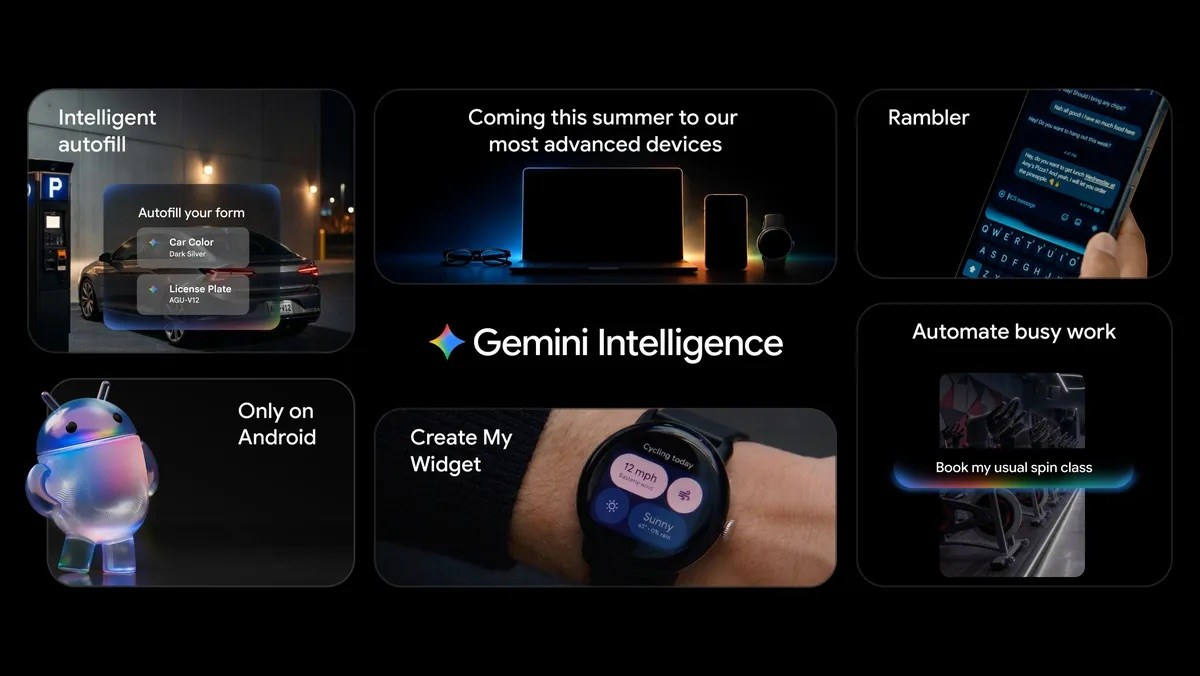
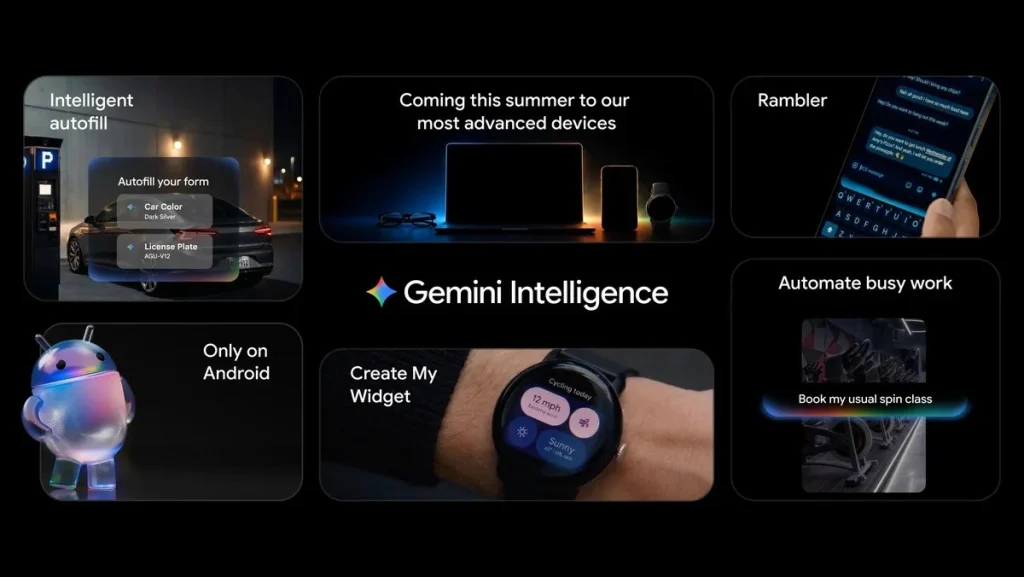
One of the biggest additions is expected to be Gemini Intelligence, Google’s new AI-powered automation system designed to make Android devices more proactive and context-aware.
Google says Gemini Intelligence will support multimodal interactions, allowing users to complete tasks using voice, text, images, and contextual prompts. Demonstrations already previewed include:
- Booking appointments automatically
- Reserving parking spaces
- Planning trips
- Completing shopping orders
- Managing tasks across apps
The goal appears to be transforming Android into a more autonomous and intelligent operating system powered by Gemini AI.
Material 3 Expressive Redesign Expected
Android 17 is also expected to introduce a major visual overhaul through Google’s new Material 3 Expressive design language.
The redesign reportedly includes:
- Improved personalization tools
- Updated widgets
- Refreshed animations
- Dynamic interface adjustments
- Expanded theming capabilities
- New emoji additions
The changes are expected to modernize Android’s overall appearance while making customization more intuitive for users.
Creator-Focused Features Coming to Android 17
Google is also expected to expand creator-oriented functionality within Android 17.
Several photography and social media enhancements have already been previewed, including:
- Native Ultra HDR image capture
- Improved video stabilization
- Night Sight integration
- Instagram-focused camera enhancements
- Screen Reactions functionality
These updates signal Google’s continued effort to position Android devices as strong tools for content creation and social media engagement.
Aluminum OS Could Replace ChromeOS

One of the most anticipated announcements at Google I/O 2026 is the expected full reveal of Aluminum OS.
The operating system is widely viewed as Google’s long-term successor to ChromeOS and is expected to power a new category of AI-focused laptops reportedly called Googlebooks.
Aluminum OS is said to combine Android and ChromeOS technologies into a unified operating system designed specifically around AI-powered workflows.
Google has reportedly described the platform internally as “designed for Gemini Intelligence.”
Expected features include:
- Deep Android phone integration
- AI-powered productivity tools
- Gemini-native experiences
- Enhanced multitasking
- Smart contextual assistance
- New navigation systems like Magic Pointer
The operating system may represent Google’s most ambitious attempt yet to compete more directly with Apple’s macOS ecosystem and Microsoft Windows AI PCs.
Googlebooks Expected From Major PC Brands
Several established PC manufacturers are expected to support Aluminum OS devices.
Reports suggest brands including:
- Acer
- ASUS
- Dell
- HP
- Lenovo
may introduce new laptops powered by the operating system later this year.
These devices are expected to focus heavily on AI-assisted productivity, cloud computing, and Android ecosystem integration.
The move could mark the gradual transition away from traditional Chromebooks toward a more advanced AI-first computing platform.
Android XR Expansion Expected
Google is also expected to accelerate its extended reality ambitions during the conference.
Android XR was announced previously, but the ecosystem remains relatively limited, with Samsung’s Galaxy XR devices currently among the only commercially available Android XR products.
That could change at Google I/O 2026.
Several brands are rumored to be preparing Android XR glasses announcements, including:
- Xreal
- Warby Parker
- Gentle Monster
The expansion suggests Google is positioning Android XR as a broader competitor to Apple Vision Pro and Meta’s mixed-reality ecosystem.
Industry analysts believe Google’s long-term strategy may focus on lightweight AI-powered smart glasses rather than large standalone headsets.
Gemini AI Expected to Dominate the Event
Artificial intelligence is likely to remain the defining theme of the conference.
Google Gemini has rapidly become one of Google’s most important products, and I/O 2026 is expected to deliver major updates across both consumer and developer versions.
Google may introduce:
- New Gemini model generations
- Gemini 3.1 updates
- Expanded Gemini Pro capabilities
- Better multimodal processing
- Improved coding and productivity tools
- Faster AI reasoning systems
The company is also expected to demonstrate deeper Gemini integration across Android, Google Workspace, search, and hardware products.
Developers are particularly interested in how Gemini APIs and AI infrastructure tools will evolve during the conference.
Read Also: Oppo Reno16 Series and Pad 6 Launch Set for May 25
Wear OS Updates Could Arrive
Google may also unveil a new version of Wear OS during the event.
Wear OS 6 was introduced nearly a year ago, and industry observers expect Google to reveal further smartwatch optimizations focused on:
- AI-powered health insights
- Better battery efficiency
- Expanded fitness tracking
- Improved app performance
- Gemini integration for wearables
The wearable ecosystem remains an increasingly important area for Google as competition intensifies against the Apple Watch and Samsung Galaxy Watch lineup.
Google TV and Smart Home Products May Get Attention
Beyond Android and AI, Google could also announce updates to its smart home ecosystem.
Potential announcements include:
- New Google TV features
- Enhanced AI recommendations
- Updated smart speaker integrations
- Third-party Google Home devices
- Smarter home automation controls
Google’s smart home strategy increasingly revolves around integrating Gemini AI into everyday consumer experiences.
Why Google I/O 2026 Matters
Google I/O 2026 may prove to be a defining moment for Google’s future ecosystem strategy.
The conference is expected to showcase how the company plans to unify Android, AI, cloud computing, XR devices, and personal productivity into a deeply interconnected platform powered by Gemini Intelligence.
The anticipated reveal of Aluminum OS also signals a potentially major shift away from the Chromebook era toward a new AI-first computing category.
At the same time, Android 17’s emphasis on automation and multimodal AI suggests Google is aggressively competing to define the future of intelligent mobile operating systems.
Final Thoughts
Google I/O 2026 is expected to deliver one of the company’s most AI-focused conferences ever.
From Android 17 and Gemini Intelligence to Aluminum OS and Android XR glasses, Google appears ready to expand artificial intelligence into nearly every part of its ecosystem.
If the announcements meet expectations, the conference could mark the beginning of Google’s next major platform transition — one centered around AI-powered experiences across phones, computers, wearables, and mixed-reality devices.
Read Also: Motorola Edge 70 Pro+ Teased Ahead of Launch