


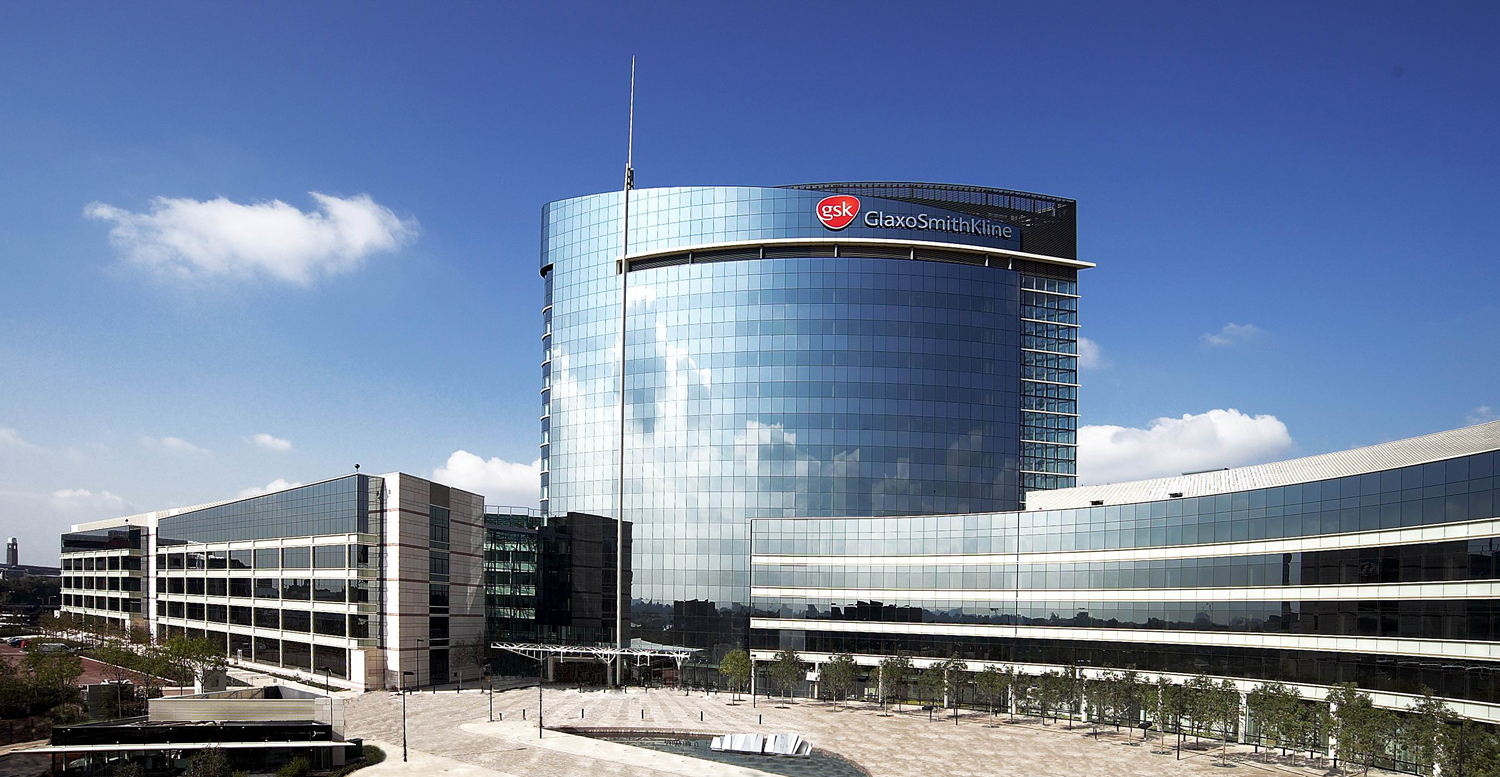
GlaxoSmithKline Acquisitions show how one of the world’s major healthcare and pharmaceutical companies used M&A to deepen its exposure to biotechnology, vaccines, oncology, respiratory disease, immunology, infectious disease, specialty pharmaceuticals, and consumer health-related categories.
From 2001 to 2025, GlaxoSmithKline completed 25 acquisitions with a total disclosed deal value of about $24.0 billion. The average disclosed deal size was approximately $960.4 million. The company’s acquisition activity focused primarily on biotechnology, health care, pharmaceutical assets, biopharma, and medical therapies.
The most recent listed acquisition was Idrx, announced in January 2025 for $1.0 billion. Idrx is a clinical-stage biopharmaceutical company developing oncology-based precision therapies to treat cancer. The deal continued a clear pattern in GlaxoSmithKline Acquisitions: targeted purchases of science-led companies that can expand the company’s pipeline in serious diseases.
The company’s M&A record includes major transactions such as TESARO, Human Genome Sciences, Affinivax, Bellus Health, Sierra Oncology, Reliant Pharmaceuticals, Aiolos Bio, and Idrx. Together, these deals show a company using acquisitions to strengthen both near-term commercial opportunities and longer-term scientific platforms.
What Is GlaxoSmithKline?
GlaxoSmithKline, widely known as GSK, is a global healthcare and pharmaceutical company. It develops and markets products across several areas of health, including pain relief, respiratory disease, digestive health, oral health, nutrition, skin care, biotechnology, vaccines, and prescription medicines.
The company’s business model depends on scientific research, clinical development, regulatory approval, manufacturing, and global commercialization. Like other large pharmaceutical companies, GSK must continually renew its product portfolio as older medicines mature, patents expire, competition increases, and new scientific approaches emerge.
This is where acquisitions become important.
A pharmaceutical company can build internally through research and development, but external innovation often plays a major role. Smaller biotech companies may develop promising drug candidates, vaccine technologies, precision oncology assets, or therapeutic platforms that larger companies can commercialize at scale.
GlaxoSmithKline Acquisitions reflect that logic. The company has repeatedly bought businesses that add scientific capability, clinical-stage programs, marketed products, or specialized therapeutic expertise.
Why GlaxoSmithKline Acquisitions Matter
GlaxoSmithKline Acquisitions matter because pharmaceutical companies compete through pipelines, patents, therapeutic leadership, and scientific differentiation. A strong acquisition can refresh a company’s growth prospects. A weak acquisition can consume capital without delivering enough clinical or commercial return.
For GSK, M&A has served several strategic purposes.
First, acquisitions have helped the company expand in oncology. TESARO, Sierra Oncology, and Idrx all point to a stronger focus on cancer treatment. Oncology is one of the most competitive and valuable areas in biopharma because it combines high unmet need, rapid scientific innovation, and major commercial potential.
Second, acquisitions have strengthened vaccines and infectious disease capabilities. Affinivax and Okairos added vaccine-related assets, while Genelabs Technologies and other targets contributed to infectious disease research.
Third, GSK has used M&A to reinforce respiratory and immune-related areas. Aiolos Bio, Bellus Health, and other targets show interest in respiratory disease, immune conditions, and conditions with limited treatment options.
Fourth, some acquisitions expanded consumer health, nutrition, oral health, and geographic pharmaceutical presence. MaxiNutrition, NovaMin Technology, Laboratorios Phoenix, and Nanjing MeiRui Pharma show a wider healthcare strategy beyond only prescription drug discovery.
The overall pattern is clear. GSK has used acquisitions to support pipeline renewal, therapeutic diversification, and stronger scientific positioning in high-priority health markets.
Full List of GlaxoSmithKline Acquisitions
| Acquiree | Announced Date | Price | Main Category | Strategic Value |
|---|---|---|---|---|
| Idrx | Jan 13, 2025 | $1.0B | Biotechnology | Added clinical-stage oncology-based precision therapies for cancer. |
| Elsie Biotechnologies | Jun 6, 2024 | $50.0M | Biopharma | Added RNA therapeutics and oligonucleotide discovery technologies. |
| Aiolos Bio | Jan 9, 2024 | $1.0B | Biotechnology | Added therapies for respiratory diseases and immune conditions. |
| Bellus Health | Apr 18, 2023 | $2.0B | Biotechnology | Added drug development capabilities for rare and specialty disease areas. |
| Affinivax | May 31, 2022 | $2.1B | Biotechnology | Added vaccine technology targeting infectious diseases. |
| Sierra Oncology | Apr 13, 2022 | $1.9B | Biotechnology | Added targeted therapeutics for cancer patients. |
| TESARO | Dec 3, 2018 | $5.1B | Biopharma | Expanded GSK’s oncology portfolio and cancer therapy pipeline. |
| GlycoVaxyn | Feb 11, 2015 | $190.0M | Biotechnology | Added biological conjugation vaccine technology against bacterial infections. |
| Okairos | May 29, 2013 | $325.0M | Biopharma | Added genetic T-cell vaccine discovery and development capabilities. |
| Human Genome Sciences | Aug 3, 2012 | $3.0B | Biotechnology | Added biotechnology and medical assets supporting GSK’s healthcare portfolio. |
| CellZome | May 15, 2012 | $97.8M | Pharmaceutical | Added kinase-targeted drug discovery and development capabilities. |
| MaxiNutrition | Dec 13, 2010 | $256.5M | Consumer Health | Added protein-enhanced functional nutrition products. |
| Nanjing MeiRui Pharma Co., Ltd. | Dec 7, 2010 | $70.0M | Pharmaceutical | Added urology and allergy pharmaceutical products. |
| Laboratorios Phoenix | Jun 9, 2010 | $253.0M | Pharmaceutical | Added pharmaceutical products and regional healthcare exposure. |
| NovaMin Technology | May 24, 2010 | $135.0M | Dental Health | Added oral hygiene and dental health technology. |
| Genelabs Technologies | Oct 29, 2008 | $57.0M | Biopharma | Added infectious disease therapeutics research and development capabilities. |
| BMS – Egyptian Mature Products Business | Oct 16, 2008 | $216.0M | Pharmaceutical | Added mature pharmaceutical products in Egypt. |
| Sirtris Pharmaceuticals | Apr 22, 2008 | $720.0M | Biotechnology | Added small molecule drug development for aging and metabolic diseases. |
| Reliant Pharmaceuticals | Nov 21, 2007 | $1.6B | Pharmaceutical | Added cardiovascular pharmaceutical products. |
| Praecis Pharmaceuticals, Inc. | Dec 22, 2006 | $54.8M | Biopharma | Added biopharmaceutical capabilities. |
GlaxoSmithKLine Acquisitions Timeline
2001–2006: Early Biopharma Expansion
GlaxoSmithKline’s acquisition record spans from 2001 to 2025. By 2006, the company was already adding biopharmaceutical assets to strengthen its research base.
The listed acquisition of Praecis Pharmaceuticals in December 2006 for $54.8 million reflected GSK’s interest in smaller biopharma companies with scientific capabilities that could support the broader pipeline.
This early period showed a pattern that would continue for years: GSK used targeted acquisitions to add science, not simply to buy scale.
2007: Cardiovascular Pharmaceuticals
In 2007, GlaxoSmithKline acquired Reliant Pharmaceuticals for $1.6 billion. Reliant provided cardiovascular pharmaceutical products.
This was one of the larger listed transactions in the company’s acquisition record. It expanded GSK’s presence in cardiovascular medicines and showed that the company was willing to make sizable acquisitions when a target offered commercial pharmaceutical products.
The deal also illustrates a broader pharma strategy: acquiring assets that can strengthen revenue and therapeutic reach while the company continues to invest in longer-term research.
2008: Biotechnology, Infectious Disease, and Regional Products
GSK made several listed acquisitions in 2008. It acquired Sirtris Pharmaceuticals for $720.0 million, BMS’s Egyptian Mature Products Business for $216.0 million, and Genelabs Technologies for $57.0 million.
Sirtris added small molecule drug development focused on aging and metabolic diseases. Genelabs added infectious disease therapeutics research and development. The Egyptian mature products business expanded GSK’s pharmaceutical product base in a regional market.
These acquisitions show three different M&A uses: scientific platform building, infectious disease research, and geographic product expansion.
2010: Consumer Health, Oral Care, and Regional Pharma
In 2010, GSK acquired NovaMin Technology, Laboratorios Phoenix, Nanjing MeiRui Pharma, and MaxiNutrition.
NovaMin Technology added oral hygiene and dental health technology. Laboratorios Phoenix added pharmaceutical products through an Argentina-based platform. Nanjing MeiRui Pharma added urology and allergy products. MaxiNutrition added protein-enhanced functional nutrition products.
This period stands out because it included more consumer health and regional pharmaceutical activity. The acquisitions were not only about biotechnology. They also supported GSK’s presence in nutrition, oral health, and local pharmaceutical markets.
2012: Human Genome Sciences and Drug Discovery
In 2012, GlaxoSmithKline acquired CellZome and Human Genome Sciences.
CellZome, acquired for $97.8 million, added kinase-targeted drug discovery and development capabilities. Human Genome Sciences, acquired for $3.0 billion, was one of GSK’s largest listed acquisitions.
Human Genome Sciences expanded GSK’s biotechnology footprint and added important healthcare and medical assets. The acquisition reinforced the company’s strategy of buying advanced science and pipeline capabilities that could support long-term growth.
2013–2015: Vaccine Technology
GSK acquired Okairos in 2013 for $325.0 million and GlycoVaxyn in 2015 for $190.0 million.
Okairos focused on genetic T-cell vaccines, including hepatitis C virus-related research. GlycoVaxyn developed biological conjugation vaccines against bacterial infections using recombinant DNA technology.
These deals strengthened GSK’s vaccine capabilities. Vaccines have long been an important part of the company’s healthcare strategy, and these acquisitions added scientific depth in genetic and conjugation vaccine technologies.
2018: A Major Oncology Bet With TESARO
TESARO was acquired in 2018 for $5.1 billion, making it the largest listed GlaxoSmithKline acquisition.
TESARO was an oncology-focused biopharmaceutical company working on better cancer therapies. The deal marked a major push by GSK into oncology and signaled a stronger commitment to cancer treatment as a strategic growth area.
The acquisition was important not only because of its size, but also because of what it represented. GSK was using M&A to reposition part of its pipeline toward oncology, one of the most competitive and scientifically dynamic areas of medicine.
2022: Vaccines and Oncology
In 2022, GSK acquired Affinivax for $2.1 billion and Sierra Oncology for $1.9 billion.
Affinivax developed vaccines targeting infectious diseases. Sierra Oncology was a clinical-stage drug development company advancing targeted therapeutics for cancer patients.
These two deals highlighted GSK’s dual focus: vaccines and oncology. Both areas fit the company’s long-term strategy of pursuing science-led medicines where unmet need is meaningful and clinical differentiation can create value.
2023: Bellus Health and Specialty Disease Focus
In 2023, GlaxoSmithKline acquired Bellus Health for $2.0 billion.
Bellus Health focused on drug development for rare and specialty disease areas. The deal added another clinical-stage asset to GSK’s pipeline and reflected the company’s interest in medicines addressing specific conditions with limited treatment options.
2024: Respiratory, Immunology, and RNA Technologies
In 2024, GSK acquired Aiolos Bio and Elsie Biotechnologies.
Aiolos Bio, acquired for $1.0 billion, developed therapies for respiratory diseases and immune conditions. This acquisition aligned closely with GSK’s long-standing strength in respiratory medicine.
Elsie Biotechnologies, acquired for $50.0 million, specialized in RNA therapeutics and oligonucleotide discovery technologies. This deal added discovery technology rather than a large commercial asset, showing that GSK continued to pursue earlier-stage scientific platforms.
2025: Idrx and Precision Oncology
The most recent listed acquisition was Idrx, announced in January 2025 for $1.0 billion.
Idrx is a clinical-stage biopharmaceutical company developing oncology-based precision therapies to treat cancer. The deal reinforced GSK’s continued interest in oncology after earlier acquisitions such as TESARO and Sierra Oncology.
Precision oncology is strategically important because cancer treatment is increasingly shaped by molecular targeting, biomarker selection, and patient-specific therapy approaches.
Biggest GlaxoSmithKline Acquisitions by Deal Value
| Rank | Acquiree | Announced Date | Price | Strategic Theme |
| 1 | TESARO | Dec 3, 2018 | $5.1B | Oncology-focused biopharma |
| 2 | Human Genome Sciences | Aug 3, 2012 | $3.0B | Biotechnology and medical assets |
| 3 | Affinivax | May 31, 2022 | $2.1B | Infectious disease vaccines |
| 4 | Bellus Health | Apr 18, 2023 | $2.0B | Rare and specialty disease drug development |
| 5 | Sierra Oncology | Apr 13, 2022 | $1.9B | Targeted cancer therapeutics |
| 6 | Reliant Pharmaceuticals | Nov 21, 2007 | $1.6B | Cardiovascular pharmaceuticals |
| 7 | Idrx | Jan 13, 2025 | $1.0B | Precision oncology therapies |
| 8 | Aiolos Bio | Jan 9, 2024 | $1.0B | Respiratory disease and immune conditions |
| 9 | Sirtris Pharmaceuticals | Apr 22, 2008 | $720.0M | Aging and metabolic disease research |
| 10 | Okairos | May 29, 2013 | $325.0M | Genetic T-cell vaccine technology |
The largest GlaxoSmithKline Acquisitions reveal several priorities: oncology, biotechnology, vaccines, respiratory disease, and specialty pharmaceuticals. TESARO remains the largest listed transaction, while Human Genome Sciences, Affinivax, Bellus Health, Sierra Oncology, Idrx, and Aiolos Bio show the company’s willingness to invest heavily in science-led assets.
Most Common Acquisition Categories
| Category | Number of Deals | Strategic Meaning |
| Biotechnology | 19 | Shows GSK’s strong focus on science-led pipeline expansion and therapeutic innovation. |
| Health Care | 18 | Reflects the company’s broad commitment to medical treatment and patient-focused markets. |
| Pharmaceutical | 7 | Supports commercial medicines, regional products, and drug development. |
| Biopharma | 5 | Highlights acquisitions of companies with proprietary medicines and clinical-stage platforms. |
| Medical | 5 | Shows exposure to disease-specific therapeutic development and healthcare products. |
The category mix shows that GSK’s acquisition strategy has stayed close to its core business. The company has largely targeted biotechnology, healthcare, and pharmaceutical assets rather than unrelated consumer or industrial markets.
Strategic Lessons From GlaxoSmithKline Acquisitions
GSK Uses M&A to Rebuild and Redirect Its Pipeline
Pharmaceutical pipelines must be continuously refreshed. GSK’s acquisition history shows a company using external innovation to strengthen areas where it wants deeper scientific and commercial exposure.
TESARO, Sierra Oncology, and Idrx strengthened oncology. Affinivax, Okairos, and GlycoVaxyn strengthened vaccines. Aiolos Bio and Bellus Health added respiratory and specialty disease assets. Elsie Biotechnologies added RNA and oligonucleotide discovery technologies.
Oncology Became a Larger Strategic Priority
Several major acquisitions point toward oncology as a major theme. TESARO, Sierra Oncology, and Idrx were all connected to cancer therapy.
This matters because oncology is a high-value and highly competitive field. It requires strong clinical evidence, biomarker strategy, regulatory execution, and global commercialization.
Vaccines Remain Important
Affinivax, Okairos, and GlycoVaxyn show that vaccine technology remained a major area of interest for GSK. These deals supported infectious disease prevention and added capabilities in conjugation vaccines and genetic vaccine platforms.
How GlaxoSmithKline Acquisitions Fit Its Business Model
GlaxoSmithKline’s business model depends on developing and commercializing healthcare products, including medicines, vaccines, and health-related consumer products. Acquisitions fit that model because they help the company add technologies, clinical programs, products, and scientific teams.
In pharmaceuticals, internal research is essential, but it is rarely enough. Smaller biotech companies often create promising discoveries but lack the scale to complete late-stage trials, navigate global regulation, manufacture at scale, or commercialize worldwide.
GSK can use acquisitions to bring those assets into a larger organization with clinical, regulatory, manufacturing, and commercial resources.
That is why GlaxoSmithKline Acquisitions have focused so heavily on biotechnology and health care. The company has bought oncology companies, vaccine developers, respiratory disease specialists, RNA technology platforms, regional pharmaceutical businesses, oral health technology, nutrition products, and infectious disease research firms.
The acquisitions fit a broader goal: strengthen the portfolio, deepen the pipeline, and compete in areas where scientific differentiation can create long-term value.
Financial and Ownership Context
GlaxoSmithKLine completed 25 acquisitions from 2001 to 2025, with total disclosed deal value of about $24.0 billion and an average disclosed deal size of approximately $960.4 million.
The average is influenced by several large transactions. TESARO accounted for $5.1 billion, Human Genome Sciences for $3.0 billion, Affinivax for $2.1 billion, Bellus Health for $2.0 billion, Sierra Oncology for $1.9 billion, and Reliant Pharmaceuticals for $1.6 billion.
The financial pattern shows a balanced acquisition approach. GSK has completed large strategic deals, but it has also pursued smaller science-focused transactions such as Elsie Biotechnologies, Genelabs Technologies, Praecis Pharmaceuticals, and CellZome.
This mix allows the company to pursue both near-term assets and longer-term scientific options. However, it also means that acquisition success must be evaluated deal by deal. A small platform acquisition may be valuable if it improves discovery productivity, while a large transaction must usually deliver more visible commercial or clinical returns.
Competitive Impact of GlaxoSmithKline Acquisitions
GlaxoSmithKline Acquisitions have affected the company’s competitive position in biotechnology, vaccines, oncology, respiratory medicine, and specialty pharmaceuticals.
The TESARO acquisition strengthened oncology. Sierra Oncology and Idrx added further cancer-focused assets. Affinivax, GlycoVaxyn, and Okairos strengthened vaccines. Aiolos Bio supported respiratory and immune disease strategy. Human Genome Sciences expanded biotech capability.
These deals helped GSK compete against other global pharmaceutical companies that are also using M&A to access external science.
The competitive pressure is intense. Oncology, vaccines, immunology, respiratory disease, and RNA therapeutics all attract major investment from large pharmaceutical companies and biotech innovators. GSK’s acquisitions give it assets, but execution determines whether those assets become competitive advantages.
To succeed, GSK must convert acquired science into approved medicines, differentiated labels, physician adoption, patient access, and commercial performance.
Advantages of the Acquisition Strategy
Faster Access to Scientific Innovation
Acquisitions allow GSK to access promising biotechnology, vaccine, oncology, respiratory, and RNA-based platforms faster than relying only on internal research.
Pipeline Diversification
The company has used M&A to broaden its exposure across oncology, vaccines, respiratory disease, immune conditions, cardiovascular medicine, oral health, nutrition, and infectious disease.
Stronger Oncology Platform
TESARO, Sierra Oncology, and Idrx show a deliberate move toward cancer treatment and precision oncology.
Reinforced Vaccine Capabilities
Affinivax, Okairos, and GlycoVaxyn strengthened GSK’s vaccine technology base.
Balance Between Large and Small Deals
GSK has completed both multibillion-dollar acquisitions and smaller science-led transactions, giving it a mix of commercial scale and early-stage innovation.
Disadvantages of the Acquisition Strategy
High Purchase Price Risk
Large deals such as TESARO, Human Genome Sciences, Affinivax, Bellus Health, Sierra Oncology, and Reliant Pharmaceuticals require strong clinical and commercial results to justify their cost.
Clinical Development Uncertainty
Biotechnology acquisitions can fail if trials disappoint, safety issues emerge, or the clinical benefit is not strong enough.
Regulatory Risk
Medicines and vaccines must pass regulatory review. Approval delays, restrictions, or unfavorable labels can reduce acquisition value.
Integration Challenges
Biotech companies often depend on scientific culture and specialist talent. Integration must protect innovation while adding scale.
Competitive Pressure
Even successful acquired assets face competition from other pharmaceutical companies, generic products, alternative therapies, and changing standards of care.
Case Studies of Major GlaxoSmithKline Acquisitions
TESARO
TESARO was acquired in 2018 for $5.1 billion, making it the largest listed GlaxoSmithKline acquisition.
The company focused on oncology and the development of better cancer therapies. The acquisition was strategically important because it gave GSK a stronger position in cancer treatment and helped reposition the company’s pipeline toward oncology.
TESARO also showed that GSK was willing to use major capital to pursue therapeutic areas where it wanted stronger scientific and commercial relevance.
Human Genome Sciences
Human Genome Sciences was acquired in 2012 for $3.0 billion. The company added biotechnology and medical capabilities to GSK’s portfolio.
This transaction strengthened GSK’s biotech exposure and represented a major science-led acquisition. It also reflected the increasing importance of biologics and advanced therapeutic platforms in the pharmaceutical industry.
Affinivax
Affinivax was acquired in 2022 for $2.1 billion. The company developed vaccines targeting infectious diseases.
This deal reinforced GSK’s vaccine strategy. Vaccine development is a core strength for the company, and Affinivax added technology that could support future infectious disease prevention.
Sierra Oncology
Sierra Oncology was acquired in 2022 for $1.9 billion. The company advanced targeted therapeutics for cancer patients.
The acquisition complemented GSK’s oncology push and supported the company’s efforts to build a more competitive cancer portfolio. It also showed continued commitment to targeted therapies after the TESARO deal.
Idrx
Idrx was acquired in 2025 for $1.0 billion. The company develops oncology-based precision therapies to treat cancer.
As the most recent listed acquisition, Idrx shows that GSK’s oncology strategy remained active. Precision oncology is attractive because it aims to match therapies more closely to the biological drivers of a patient’s cancer.
Common Mistakes When Analyzing GlaxoSmithKline Acquisitions
One common mistake is treating every GSK acquisition as a simple revenue purchase. Many of the company’s deals were pipeline or platform acquisitions, meaning their value depends on future clinical and regulatory progress.
Another mistake is ignoring the difference between consumer health, pharmaceutical, and biotechnology acquisitions. NovaMin Technology, MaxiNutrition, TESARO, and Aiolos Bio serve very different strategic purposes.
A third mistake is focusing only on the biggest deals. Smaller acquisitions such as Elsie Biotechnologies, CellZome, GlycoVaxyn, and Genelabs Technologies may add important scientific capabilities.
Another mistake is assuming oncology deals guarantee growth. Cancer drug development is competitive and risky, even for large pharmaceutical companies.
Finally, analysts should avoid judging acquisitions immediately after announcement. In biopharma, the real value of a deal may take years to become clear.
Lessons for Business Owners and Investors
GlaxoSmithKline’s acquisition history offers several important lessons.
The first lesson is that large healthcare companies use M&A to refresh pipelines and adjust strategic focus. GSK’s moves into oncology, vaccines, respiratory disease, and RNA technologies show how acquisition strategy can track changing scientific priorities.
The second lesson is that deal size does not always equal strategic importance. Smaller technology acquisitions can create value if they improve discovery or strengthen a platform.
The third lesson is that pharmaceutical acquisitions require patience. Clinical development, regulatory review, and market adoption take time.
The fourth lesson is that therapeutic focus matters. GSK’s strongest acquisition themes are linked to biotechnology, health care, oncology, vaccines, and respiratory disease.
The fifth lesson is that M&A cannot replace execution. A successful acquisition still requires good clinical development, regulatory strategy, manufacturing, pricing, market access, and commercial launch.
Key Takeaways
- GlaxoSmithKline completed 25 acquisitions from 2001 to 2025.
- Total disclosed acquisition value was about $24.0 billion.
- The average disclosed deal size was approximately $960.4 million.
- GlaxoSmithKline Acquisitions focused mainly on biotechnology, health care, pharmaceuticals, biopharma, and medical therapies.
- Idrx was the most recent listed acquisition, announced in January 2025 for $1.0 billion.
- TESARO was the largest listed acquisition at $5.1 billion.
- Human Genome Sciences, Affinivax, Bellus Health, Sierra Oncology, Reliant Pharmaceuticals, Aiolos Bio, and Idrx were also major deals.
- GSK used acquisitions to strengthen oncology, vaccines, respiratory disease, RNA therapeutics, and specialty pharmaceuticals.
- The company’s acquisition strategy combines large pipeline bets with smaller scientific platform deals.
- Key risks include clinical failure, regulatory uncertainty, high purchase prices, integration challenges, and competitive pressure.
- GSK’s M&A record shows how large pharmaceutical companies use acquisitions to renew pipelines and reposition for future growth.
Frequently Asked Questions
What are GlaxoSmithKline Acquisitions?
GlaxoSmithKline Acquisitions are companies and assets acquired by GSK to expand its biotechnology, pharmaceutical, healthcare, oncology, vaccine, respiratory, and specialty medicine capabilities.
How many acquisitions has GlaxoSmithKline made?
GlaxoSmithKline has made 25 acquisitions spanning from 2001 to 2025.
What is the total value of GlaxoSmithKline acquisitions?
The total disclosed value of GlaxoSmithKline acquisitions is about $24.0 billion.
What is GlaxoSmithKline’s average acquisition size?
The average disclosed deal size is approximately $960.4 million.
What was GlaxoSmithKline’s most recent acquisition?
The most recent listed acquisition was Idrx, announced in January 2025 for $1.0 billion.
What was GlaxoSmithKline’s biggest acquisition?
The biggest listed acquisition was TESARO, announced in December 2018 for $5.1 billion.
Why did GlaxoSmithKline acquire TESARO?
GSK acquired TESARO to strengthen its oncology portfolio and expand its cancer therapy pipeline.
Why did GlaxoSmithKline acquire Affinivax?
GSK acquired Affinivax to strengthen its vaccine technology and infectious disease prevention capabilities.
Which sectors dominate GlaxoSmithKline acquisitions?
The main sectors are biotechnology, health care, pharmaceuticals, biopharma, and medical therapies.
Why does GSK acquire biotech companies?
GSK acquires biotech companies to access external innovation, strengthen its pipeline, add scientific platforms, and expand into high-priority therapeutic areas.
What are the main risks of GlaxoSmithKline’s acquisition strategy?
The main risks include clinical trial failure, regulatory delays, high acquisition prices, integration challenges, competition, and uncertain commercial adoption.
Do GlaxoSmithKline Acquisitions guarantee growth?
No. Acquisitions can support growth, but success depends on clinical results, approvals, pricing, market access, physician adoption, and competitive conditions.
Conclusion
GlaxoSmithKline Acquisitions reveal a long-running M&A strategy focused on biotechnology, health care, pharmaceuticals, vaccines, oncology, respiratory disease, and specialty medicines. From 2001 to 2025, the company completed 25 acquisitions with total disclosed deal value of about $24.0 billion and an average disclosed deal size of roughly $960.4 million.
The company’s acquisition history shows a clear shift toward science-led growth. TESARO, Sierra Oncology, and Idrx strengthened oncology. Affinivax, Okairos, and GlycoVaxyn supported vaccine capabilities. Aiolos Bio added respiratory and immune disease assets. Elsie Biotechnologies added RNA and oligonucleotide discovery technologies. Human Genome Sciences expanded biotechnology depth.
The strategy offers clear advantages. GSK can access external innovation, diversify its pipeline, strengthen therapeutic focus, and compete in major disease areas. But the risks are equally significant. Biopharma acquisitions depend on clinical success, regulatory approval, manufacturing execution, commercial adoption, and disciplined capital allocation.
For business owners, investors, and healthcare analysts, GSK provides a useful case study in pharmaceutical M&A. GlaxoSmithKline Acquisitions show that large healthcare companies use deal-making not only to grow bigger, but to reshape their scientific direction and prepare for future competition.
Disclaimer: This article is for informational and educational purposes only. It is not investment advice, financial advice, or a recommendation to buy or sell any security. Always conduct your own research and consider speaking with a qualified financial adviser before making investment decisions.
Read Also: Gilead Sciences Acquisitions: How Gilead Sciences Built Its Business Through M&A


