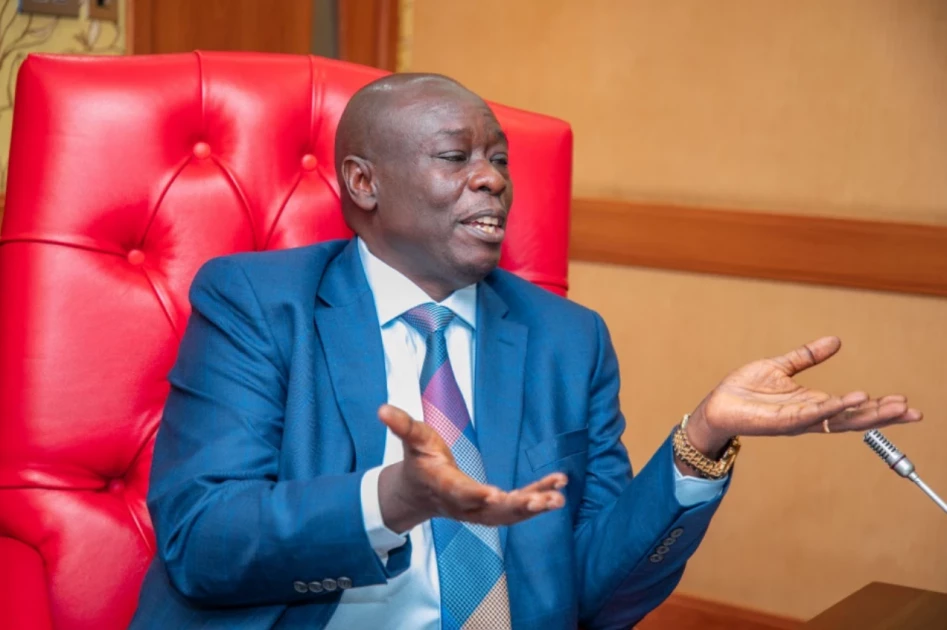
Tensions are rising across Kenya following the shocking death of Albert Ojwang, a popular Gen Z influencer and teacher, while in police custody. The case has ignited a political storm, with former Deputy President Rigathi Gachagua leading the charge by demanding the immediate removal of Deputy Inspector General Eliud Langat.
Ojwang died inside a police cell at Nairobi’s Central Police Station shortly after being arrested in Homa Bay—over 350 kilometers away. His arrest was reportedly based on a social media post that allegedly criticized Langat. The entire episode has thrown Kenya’s policing system into disrepute and sparked fears of growing authoritarianism targeting young, vocal citizens.
Eliud Langat Under Fire for Ojwang’s Death
Gachagua has accused Eliud Langat of orchestrating a politically motivated arrest, claiming the Deputy IG abused his authority to silence a critic. In a statement on June 9, Gachagua described Ojwang’s detention as “targeted” and “intended to intimidate,” arguing that Langat personally oversaw the influencer’s arrest and transfer from Homa Bay to Nairobi.
“This was not a routine arrest. It was about power,” said Gachagua. “Langat must be held accountable not just for the arrest—but for Albert Ojwang’s death.”
According to Gachagua, Langat operates Nairobi’s Kamukunji and Central police stations “as his own empire,” sidelining the oversight of Inspector General Douglas Kanja. Such claims have intensified public concern about rogue operations within Kenya’s police leadership.
Police sources have suggested that Ojwang died after “hitting his head on a wall,” but many—including Gachagua—have rejected that explanation. “The public isn’t buying it,” he said. “These police stations are now being described as torture chambers.”
Gen Z Demands Accountability Over Police Brutality
The case has ignited a digital uproar, especially among Kenya’s youth. Albert Ojwang wasn’t just a content creator—he was a voice for Gen Z, consistently highlighting issues of police misconduct, unemployment, and government overreach. His death has become a rallying point, with the hashtag #JusticeForAlbert trending across social media platforms.
Kenyans are demanding answers:
- Why was Ojwang arrested over a social media post?
- Why was he detained far from home?
- Why did he die in custody?
Gachagua has echoed these concerns, demanding transparency and justice. “Let the Deputy IG step aside. Let a real investigation begin,” he said.
In response, Inspector General Kanja ordered the interdiction of officers on duty during the night Ojwang died, including the Officer Commanding Station (OCS). The Independent Policing Oversight Authority (IPOA) has also launched a formal probe, but trust in the process remains fragile.
Eliud Langat Now a Symbol of Police Impunity
The growing backlash against Eliud Langat isn’t just about one death—it’s about the pattern of abuse that many Kenyans have long suspected within the police service. Online, Langat is now being branded as “the face of state repression.” Critics say his actions—and inaction—reflect a deeper crisis in Kenya’s law enforcement structure.
“This is a test for the Kenyan government,” Gachagua said. “Will they protect Langat—or protect justice?”
Langat’s continued presence in office has become untenable in the eyes of many Kenyans. His alleged misuse of police machinery, disregard for due process, and connection to a suspicious death have placed him at the center of a national scandal.
The Road Ahead: Will There Be Accountability?
As the investigation continues, the pressure is now on President William Ruto and Inspector General Kanja to restore public trust. The family of Albert Ojwang—and millions of young Kenyans—are watching closely. Calls for police reform, digital rights protection, and youth safety are growing louder by the hour.
Eliud Langat may have initiated a crackdown on one voice, but he now faces a wave of resistance demanding reform, justice, and accountability. Whether he remains in office—or is forced to step aside—may shape the future of civil liberties in Kenya.