Profitable Farming Ventures in Kimilili Region (2025)
Kimilili, located in Bungoma County, is blessed with fertile volcanic soils, a reliable rainfall pattern, and a strong farming culture. With increasing demand for food products and support from government and financial institutions, agriculture has become one of the most lucrative sectors in the region.
Here are the top profitable farming ventures in Kimilili that farmers and agripreneurs should consider in 2025:
1. Poultry Farming (Broilers and Layers)
Poultry farming is one of the most accessible and profitable agribusinesses in Kimilili.
Why it’s profitable:
- High demand for eggs and chicken meat from schools, homes, and eateries
- Quick returns — broilers mature in 6 weeks
- Low land requirement and scalable startup
Tip: Start with a manageable flock and invest in proper vaccination and housing.
2. Dairy Farming
With a growing population and urban centers like Kimilili and Chwele nearby, dairy farming offers consistent income.
Opportunities:
- Daily milk sales to households, milk bars, and schools
- Value addition: yogurt, ghee, and fermented milk
- Manure for organic farming
Tip: Consider high-yield breeds like Friesians or Ayrshires for better returns.
3. Maize Farming and Value Addition
Maize is a staple in the region and enjoys favorable climatic conditions in Kimilili.
Benefits:
- Easy market access via local posho mills and schools
- By-products like maize bran for animal feed
- Potential for value addition through milling
Tip: Use certified seeds and proper spacing to maximize yield per acre.
4. Horticulture (Vegetables and Fruits)
Growing vegetables such as sukuma wiki, cabbages, tomatoes, and onions is highly profitable.
Advantages:
- Quick growth cycle (2–3 months)
- Year-round demand from local markets
- Irrigation can boost off-season sales
Fruits like bananas and passion fruits also do well, especially along riverbanks and well-drained soils.
5. Fish Farming (Aquaculture)
With support from the Ministry of Agriculture and NGOs, fish farming is gaining momentum.
Profit sources:
- Tilapia and catfish farming
- Fingerlings production
- Fish feed supply
Tip: Use liner ponds or concrete tanks and work with cooperative societies for bulk sales.
6. Beekeeping (Apiculture)
Beekeeping is a low-cost, high-value farming venture with rising demand for organic honey and bee products.
Income streams:
- Honey, beeswax, royal jelly, and propolis
- Pollination services for fruit and vegetable farmers
- Minimal land usage
Tip: Choose quiet, less-populated sites and protect hives from pests and intruders.
7. Pig Farming
Pig farming in Kimilili is ideal due to the fast growth rate and high meat conversion ratio.
Why it works:
- Large litters per birth (up to 10 piglets)
- Ready market among local butcheries and institutions
- Manure can be converted to biogas
Tip: Invest in proper housing and disease control to reduce losses.
8. Tree Nursery and Agroforestry
Demand for timber, fruit trees, and seedlings is on the rise in Western Kenya.
Profitable trees:
- Eucalyptus and grevillea for timber and poles
- Avocado, mango, and passion fruit seedlings
- Moringa and medicinal trees for niche markets
Tip: Sell during planting seasons (March–May and October–December).
9. Mushroom Farming
This is an emerging niche venture in the region, ideal for those with limited land.
Benefits:
- High market price and short harvest cycle
- Can be grown indoors or in sheds
- Used in hotels, homes, and export
Tip: Start with oyster mushrooms and expand based on demand.
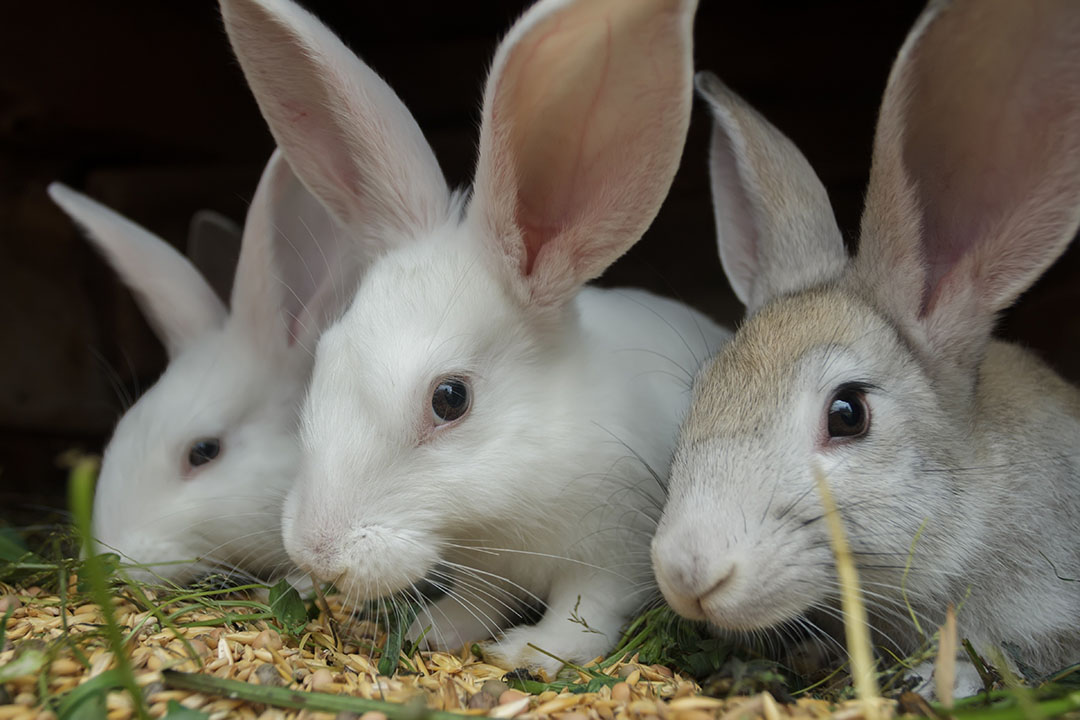
10. Rabbit Farming
Rabbits are fast-breeding animals with increasing demand for their meat and fur.
Key perks:
- Low feed and housing requirements
- Market in hotels, meat lovers, and pets
- Manure is excellent for vegetable gardens
Tip: Keep hybrid breeds and connect with cooperative buyers.
Conclusion
Farming in Kimilili offers more than just subsistence—it provides viable commercial opportunities for income generation and job creation. By selecting the right venture based on your resources, market demand, and climate conditions, you can turn your farm into a thriving agribusiness.