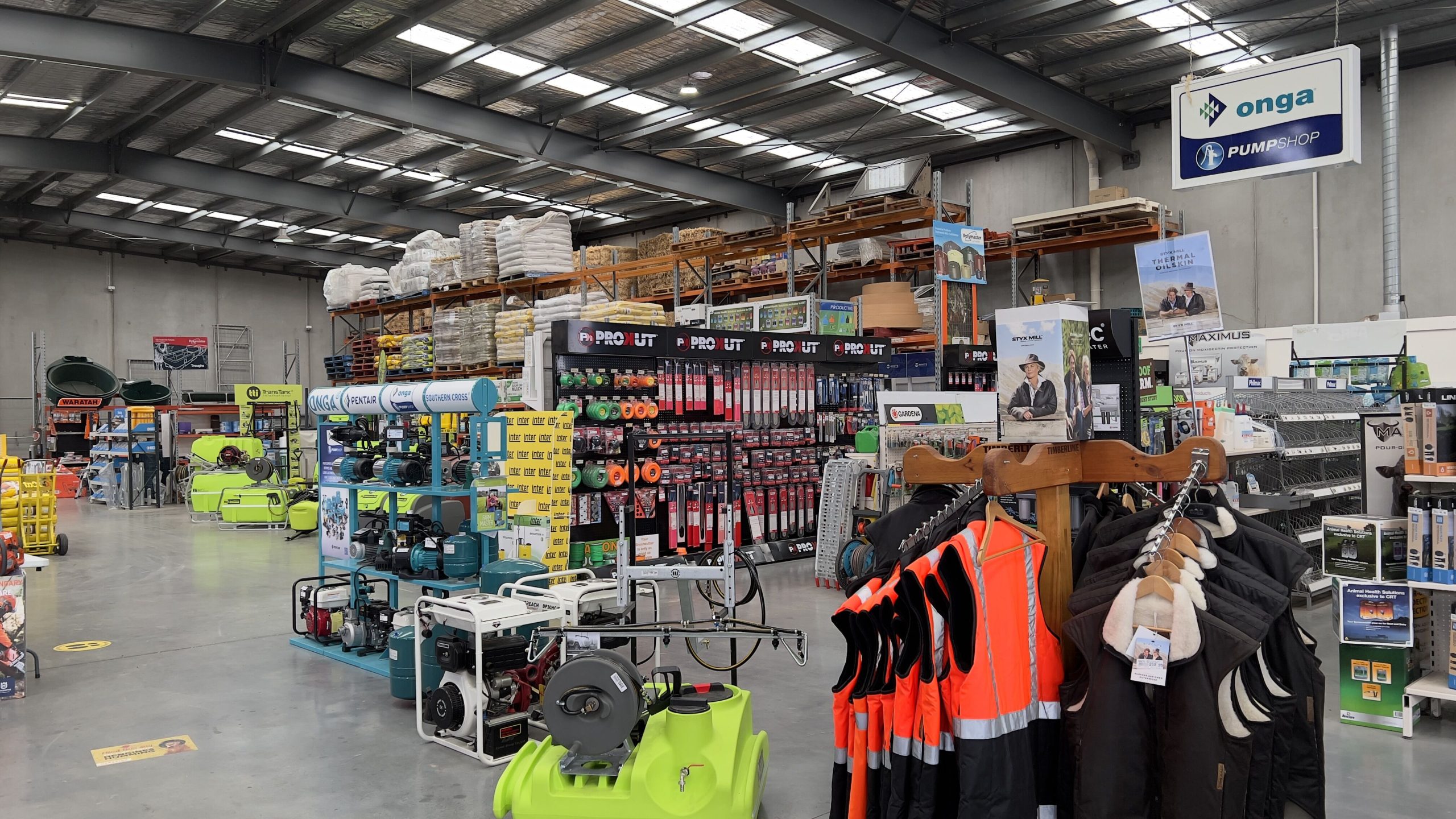
Kakamega County, with its rich agricultural activity and a growing number of small-scale farmers, is a great location to start a farming supply store—commonly known as an agrovet. These stores supply fertilizers, seeds, pesticides, animal feeds, veterinary drugs, and basic farm tools.
Here’s how to launch a farming supply store in Kakamega and tap into the growing agribusiness market.
1. Conduct Market Research
Start by identifying:
- Which farming products are most in demand in your target area (e.g., maize seeds, dairy feeds, foliar fertilizers)
- Your competition—visit existing agrovets in Kakamega Town, Shinyalu, Malava, or Mumias
- Your target customers—smallholder farmers, dairy cooperatives, or poultry businesses
This will help you decide what products to stock and at what price.
2. Choose a Strategic Location
Ideal places for your store include:
- Near main markets or trading centers (e.g., Kakamega Town, Khayega, Matungu)
- Along busy agricultural routes
- Close to bus stops or SACCOs that farmers frequent
A good location ensures visibility, foot traffic, and access to your primary customer base.
3. Register Your Business
To legally operate:
- Register your business name via eCitizen (KES 850)
- Obtain a Single Business Permit from the Kakamega County Government (KES 5,000–15,000 annually)
- Apply for a Pharmacy and Poisons Board license (for stores stocking vet drugs and chemicals)
- Ensure compliance with KEBS if packaging any seeds or feeds
4. Stock Essential Farm Inputs
Begin with core products like:
- Certified seeds (maize, beans, vegetables)
- Fertilizers (DAP, CAN, NPK)
- Pesticides and fungicides
- Animal feeds and mineral supplements
- Veterinary medicine (dewormers, vaccines)
- Tools (sprayers, jembes, watering cans)
Build supplier relationships with brands like Yara, Elgon Kenya, Unga Farmcare, and Amiran.
5. Hire Skilled Staff
If you’re not a trained agrovet specialist, consider hiring:
- A qualified agronomist or vet technician
- A salesperson familiar with agricultural products
They can provide customer guidance, boosting your credibility and sales.
6. Market Your Store Locally
Use low-cost but effective methods:
- Paint your storefront with bold, clear signage
- Print flyers and distribute them at markets and SACCOs
- Join local farmer WhatsApp groups or Facebook groups
- Offer loyalty discounts, training days, or free advice sessions
Consider partnering with local cooperatives or farm input subsidy programs.
7. Ensure Proper Storage and Licensing
Protect your stock by:
- Installing shelves, pallets, and dry storage areas
- Keeping vet drugs in a secure, temperature-controlled cabinet
- Keeping records of all transactions and sales for accountability
You may also be required to submit quarterly reports for regulated items like chemicals.
8. Monitor Performance and Expand
Track:
- Best-selling items
- Peak seasons (e.g., rainy planting seasons)
- Repeat customer behavior
Use this data to restock smartly, reduce wastage, and even open branches in neighboring areas like Lugari or Butere.
Estimated Startup Costs
| Item | Estimated Cost (KES) |
|---|---|
| Business registration & permits | 10,000 – 20,000 |
| Initial stock | 150,000 – 300,000 |
| Store rent & setup | 20,000 – 50,000 |
| Branding & marketing | 10,000 – 25,000 |
| Staffing (first month) | 15,000 – 30,000 |
| Total Estimate | ≈ 200,000 – 425,000 |
Conclusion
Launching a farming supply store in Kakamega is a rewarding business with strong demand and community impact. With the right location, legal compliance, proper inventory, and customer-focused service, you can build a profitable agrovet that supports the county’s vital agricultural sector.