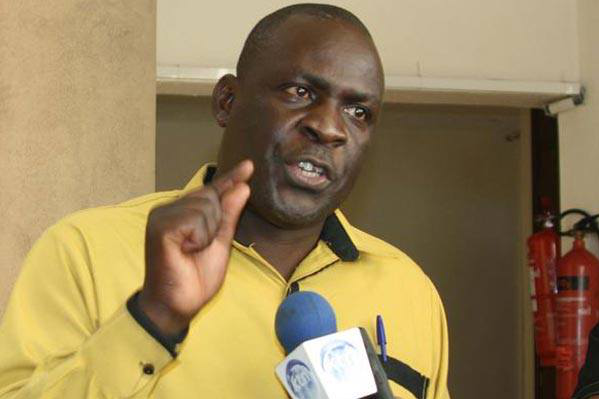
In a move that has ignited widespread public outrage, Emuhaya Member of Parliament (MP) Hon. Omboko Milemba has voted in favor of the highly controversial Finance Bill 2024. The bill, which proposes significant tax increases and new levies, has been met with fierce opposition from citizens and various stakeholders who argue that it will further oppress the already burdened Kenyan populace.
Key Provisions of the Finance Bill 2024
The Finance Bill 2024 aims to raise an additional $2.5 billion (Sh323 billion) in taxes in the financial year beginning in July. Among its contentious provisions are:
- 16% Value Added Tax (VAT) on Bread: This tax on a staple food item is seen as particularly harsh, given the rising cost of living and food insecurity in many parts of the country.
- Taxes on Foreign Exchange Transactions and Financial Services: These taxes are expected to increase the cost of financial transactions, impacting both businesses and individuals.
- 2.5% Motor Vehicle Tax: This levy on vehicle ownership is anticipated to increase transportation costs, affecting both personal and commercial transport.
Public Reaction and Protests
The public reaction to the Finance Bill has been overwhelmingly negative. A large segment of the population sees the bill as a direct attack on their livelihoods, especially at a time when the economy is struggling with high inflation and unemployment rates. Young Kenyans, in particular, have been at the forefront of protests against the bill. Using the hashtags #RejectFinanceBill2024 and #OccupyParliament, they have organized numerous demonstrations and online campaigns to voice their dissent.
One of the key tools in these protests has been technology. Protestors have set up a Zello channel to share locations, photos of protests, and emergency contacts, ensuring coordinated efforts and real-time updates. Additionally, a USSD code 665971# has been made available, listing meetup points and providing reading materials to spread awareness about the bill’s implications.
Emuhaya MP’s Support for the Bill
Despite the widespread opposition, Hon. Omboko Milemba chose to support the Finance Bill. His decision has drawn severe criticism from his constituents and the broader Kenyan public. Many have expressed their disappointment and anger on social media, accusing him of being out of touch with the struggles of ordinary Kenyans.
“Hon. Milemba has betrayed the trust of his constituents by supporting a bill that will clearly exacerbate their financial woes,” said Jane Wambui, a resident of Emuhaya. “We elected him to protect our interests, not to further burden us with unfair taxes.”
Political and Social Implications
The vote on the Finance Bill has significant political and social implications. For one, it highlights the growing disconnect between the government and the citizens it serves. The decision of MPs like Hon. Milemba to support the bill is seen as indicative of a broader trend of lawmakers prioritizing government agendas over the welfare of the people.
Moreover, the passage of the Finance Bill could lead to increased social unrest. The protests against the bill have already seen significant participation, and with its approval, these demonstrations are likely to intensify. This could pose a serious challenge to the government, which is already grappling with numerous economic and political issues.
Calls for Accountability and Change
In the wake of the vote, there have been increasing calls for accountability. Civil society organizations and opposition leaders have demanded that MPs who supported the bill explain their decision to their constituents. There are also growing demands for a review of the bill, with many advocating for amendments to make it less burdensome on the public.
“The government must listen to the voices of the people,” said opposition leader Raila Odinga. “The Finance Bill in its current form is unacceptable and must be revisited. We cannot allow our citizens to be oppressed by unjust taxes.”
Conclusion
The support of Emuhaya MP Hon. Omboko Milemba for the Finance Bill 2024 has sparked widespread condemnation and highlighted the urgent need for a more inclusive and responsive legislative process in Kenya. As the country braces for the implementation of the new tax measures, the coming weeks and months are likely to see continued public resistance and calls for change. The government’s ability to address these concerns will be crucial in determining the nation’s economic and social stability moving forward.