Educational Challenges Facing Kimilili and Possible Solutions (2025)
Kimilili, located in Bungoma County, Kenya, has made significant strides in education over the years. However, several challenges continue to hinder optimal learning outcomes. Addressing these issues is crucial for the region’s socio-economic development.
1. Inadequate Infrastructure
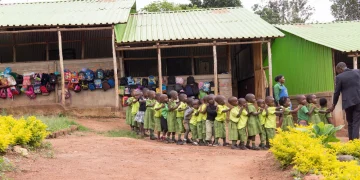
Many schools in Kimilili suffer from insufficient and dilapidated infrastructure. Instances of students learning under trees due to destroyed classrooms have been reported, highlighting the dire need for improved facilities.Citizen Digital
Solution:
- Government and Community Collaboration: Mobilize resources through Constituency Development Funds (CDF) and community initiatives to construct and renovate classrooms.
- Public-Private Partnerships: Engage NGOs and private sector stakeholders to invest in school infrastructure projects.IR Library+4Citizen Digital+4Cardio News Updates.+4
2. Teacher Shortages and Training
The region faces a shortage of qualified teachers, particularly in specialized subjects. Additionally, newly qualified teachers often encounter challenges during their probation period, affecting their performance and retention.a.afribary.com+1Semantic Scholar+1
Solution:
- Incentivize Teaching in Rural Areas: Offer allowances and housing to attract teachers to underserved schools.
- Continuous Professional Development: Implement regular training programs to enhance teachers’ skills and adaptability.Fondazione Aurora+6Semantic Scholar+6ResearchGate+6
3. High Student Transfer Rates
Frequent student transfers disrupt learning continuity, leading to psychological and social challenges that negatively impact academic performance.ResearchGate+1journals.eanso.org+1
Solution:
- Strengthen Guidance and Counseling: Establish robust support systems in schools to assist students in adapting to new environments.
- Policy Implementation: Develop clear guidelines to manage student transfers effectively, minimizing academic disruptions.
4. Overcrowded Classrooms
The introduction of Free Primary Education has led to increased enrollment, resulting in overcrowded classrooms that strain resources and hinder effective teaching.ajess.kibu.ac.ke
Solution:
- Infrastructure Expansion: Construct additional classrooms to accommodate the growing student population.
- Recruit More Teachers: Hire additional teaching staff to maintain optimal teacher-student ratios.check-kimilili
5. Limited Access to Learning Materials
A shortage of textbooks and learning aids hampers students’ ability to grasp concepts effectively, particularly in subjects like mathematics.
Solution:
- Resource Allocation: Ensure equitable distribution of learning materials across schools.
- Digital Learning Tools: Introduce e-learning resources to supplement traditional teaching methods.
6. Gender Disparities in Education
Cultural norms and economic factors contribute to lower enrollment and retention rates for girls in schools within the region.
Solution:
- Community Sensitization: Conduct awareness campaigns to promote the importance of girls’ education.
- Support Programs: Implement scholarship schemes and provide sanitary facilities to encourage girls’ attendance.
7. Implementation Challenges of Curriculum Reforms
The transition to the Competency-Based Curriculum (CBC) has faced hurdles due to inadequate teacher training and resource constraints.
Solution:
- Comprehensive Training: Offer extensive training programs for teachers to effectively deliver the CBC.
- Resource Provision: Supply necessary materials and infrastructure to support the new curriculum’s requirements.
Conclusion
Addressing the educational challenges in Kimilili requires a multifaceted approach involving government intervention, community participation, and support from non-governmental organizations. By implementing the proposed solutions, the region can pave the way for a more robust and equitable education system, fostering better outcomes for all learners.