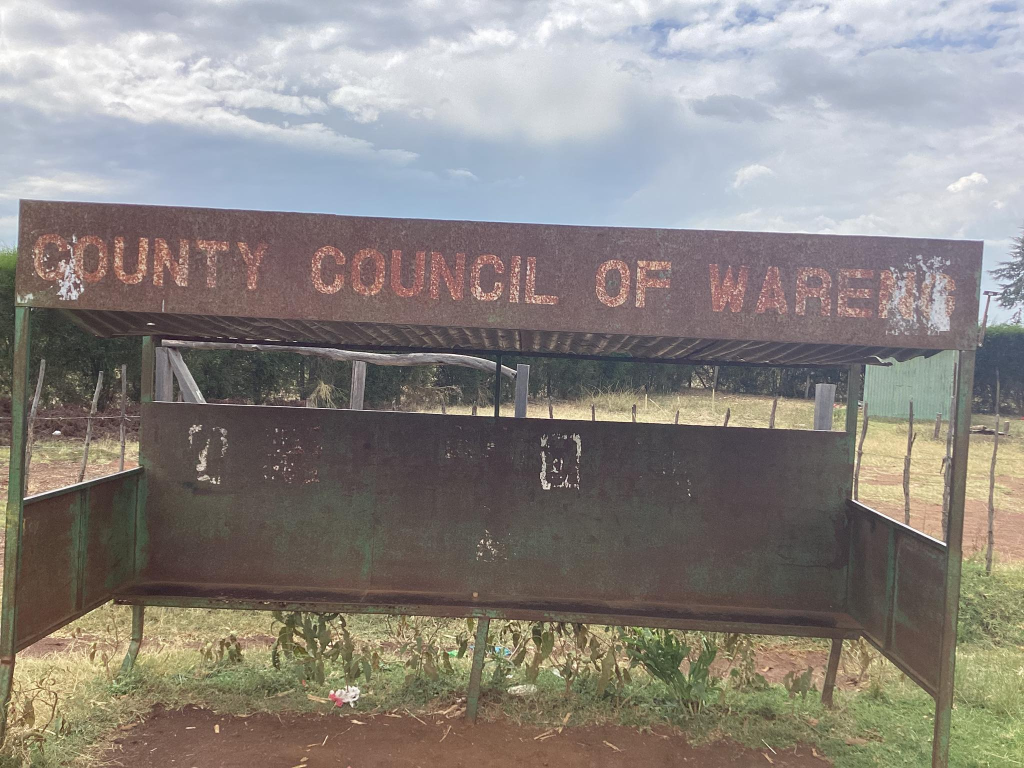
The County Council of Wareng, a key local authority in Kenya, played an essential role in the governance and development of Uasin Gishu District, particularly in the rural areas surrounding the town of Eldoret. Established under the Local Government Act, Cap 265, this institution operated for several decades, contributing to the region’s infrastructure, agricultural development, and community welfare. The council’s dissolution in 2013 marked a significant shift in Kenya’s governance structure, following the promulgation of the new Constitution, which ushered in a devolved system of government. This article explores the history, functions, and eventual dissolution of the County Council of Wareng, as well as its lasting impact on the region.
Formation and Jurisdiction of the County Council of Wareng
The County Council of Wareng was formed to serve the rural regions of Uasin Gishu District, with its headquarters located in Eldoret town. Its creation was part of a broader framework that sought to decentralize local governance through the establishment of county and municipal councils under the Local Government Act. While the Municipal Council of Eldoret was responsible for the urban areas, the County Council of Wareng took charge of rural governance, ensuring that services were extended beyond the town center to the surrounding villages and farming communities.
The council’s jurisdiction covered the rural areas surrounding Eldoret, making it the primary governing body for a significant portion of Uasin Gishu District. This division allowed for a more focused approach to local governance, with the County Council of Wareng handling issues that were distinct to rural communities, while the Municipal Council of Eldoret focused on urban affairs.
Functions and Responsibilities
The County Council of Wareng played a critical role in the daily lives of its constituents by providing essential services and maintaining local infrastructure. Some of its core functions included:
- Maintenance of Rural Roads
One of the key responsibilities of the County Council was the upkeep of rural roads. These roads were vital for farmers to access markets and for the transportation of goods and services across the rural landscape. The council ensured that roads were well-maintained, facilitating the movement of both people and agricultural products. - Market Management and Licensing
The council was also responsible for managing local markets, which were essential hubs for trade and commerce in rural areas. By overseeing these markets, the County Council of Wareng helped local farmers and traders access buyers and sell their goods, contributing to the local economy. Additionally, the council issued business licenses to vendors and small businesses, ensuring that economic activities operated within the bounds of local regulations. - Provision of Sanitation Services
In rural areas, access to sanitation services was often limited, and the County Council of Wareng took on the important task of providing waste management and sanitation solutions. This included maintaining public toilets, managing waste disposal systems, and promoting sanitation awareness programs. - Support for Agricultural Development
As a predominantly agricultural region, Uasin Gishu District relied heavily on farming for its economic livelihood. The County Council played a vital role in supporting agricultural development by facilitating access to farming tools, advising farmers on best practices, and helping to implement government agricultural programs. Its focus on rural development helped improve farming productivity and the livelihoods of many residents. - Local Revenue Generation
The council generated revenue through local taxes, business licenses, and service fees. This funding was used to support its various programs and functions, including road maintenance, market management, and sanitation services.
The Council’s Structure and Governance
The County Council of Wareng was governed by elected councillors who represented various wards within its jurisdiction. These councillors were chosen through local elections, which provided the community with a direct voice in their governance. The council operated with a chairman and various committees that oversaw the day-to-day activities of the local authority.
This local democratic structure allowed for active participation in the governance process, enabling residents to raise concerns, make suggestions, and hold their leaders accountable. Despite challenges such as limited resources and a growing population, the council’s democratic structure allowed for a relatively responsive form of local government in the rural areas.
Dissolution and Transition to Devolution
The County Council of Wareng continued to function throughout the post-independence period, overseeing local governance and development in the rural parts of Uasin Gishu District. However, with the promulgation of the Constitution of Kenya in 2010, the country underwent a significant political transformation. The new constitution introduced a devolved system of government, creating 47 county governments and abolishing all local authorities, including county councils.
This shift in governance led to the official dissolution of the County Council of Wareng in 2013, following the first general elections under the new constitutional framework. The responsibilities, assets, and liabilities of the council were transferred to the newly established County Government of Uasin Gishu, which assumed governance over both the rural and urban areas of the district. This transition marked the end of the County Council’s operations, but its legacy continues to shape local governance in the region.
Impact and Legacy
Although the County Council of Wareng no longer exists, its impact is still felt in the infrastructure and services that it developed over the years. The council’s work in maintaining rural roads, supporting agriculture, and providing essential services laid the groundwork for the modern County Government of Uasin Gishu. Many of the initiatives that were started during the council’s tenure have continued to benefit the community, particularly in rural areas.
Moreover, the County Council of Wareng served as an example of how local government can play a pivotal role in rural development, particularly in areas where infrastructure and services are often lacking. Its history offers valuable insights into the evolution of local governance in Kenya and the transition from centralized to decentralized systems.
Conclusion
The County Council of Wareng played a crucial role in the development and governance of Uasin Gishu District, particularly in rural areas. From maintaining rural roads to supporting agricultural development, the council’s contributions were vital in improving the lives of local communities. Its dissolution in 2013, following the introduction of the devolved government system, marked the end of an era in Kenya’s local governance. However, the legacy of the County Council of Wareng continues through the County Government of Uasin Gishu, which now oversees both rural and urban development in the region.