


Transferring files between two Mac computers can seem daunting, especially when dealing with large files or different software environments. Despite the convenience of wireless methods like AirDrop, certain scenarios require a more robust, wired approach. Here’s how you can use cables for faster and more reliable file transfers between Macs.
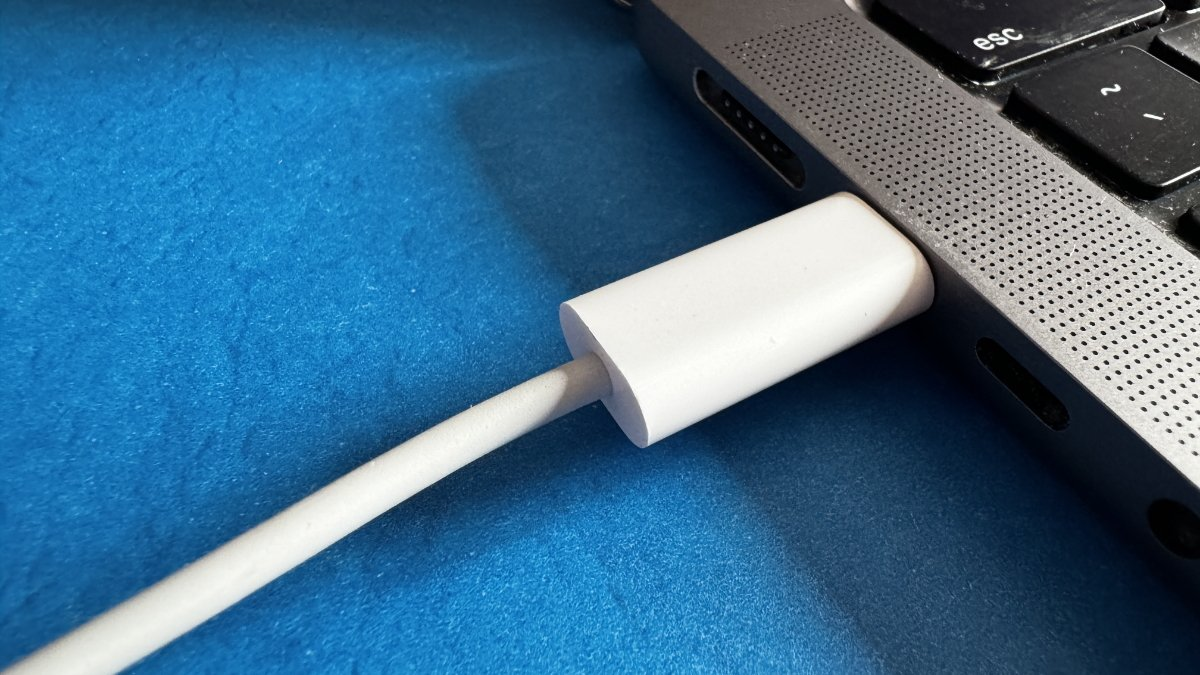
1. High-Speed File Transfer with Thunderbolt Networking To achieve rapid file transfers, use Thunderbolt networking. This method involves connecting two Macs via their USB-C Thunderbolt ports, which not only supports high-speed data transfer but also powers devices and outputs video through the same cable. Here’s how to set it up:
- Ensure both Macs have Thunderbolt 3 (USB-C) or Thunderbolt 4 (USB-C) ports.
- On both Macs, open ‘Settings’ and go to the ‘Network’ section.
- Select ‘Thunderbolt Bridge’. If prompted, click ‘OK’ to detect the new interface.
- On one Mac, navigate to the ‘Thunderbolt Bridge’ section and select the other Mac from the service list.
- Set an IP address manually by choosing ‘Manually’ in the ‘Configure IPv4’ dropdown.
- Enter the necessary IP address, subnet mask, and router address, then click ‘OK’.
2. Using Target Disk Mode for Direct Access Target Disk Mode turns one Mac into an external drive accessible by another. This method is particularly useful for accessing files from a non-operational Mac or directly managing files without booting the operating system.
- Connect both Macs using a Thunderbolt cable (required for macOS 11 and newer).
- On the Mac intended as the external drive, open ‘Startup Disk’ settings, and select ‘Restart in Target Disk Mode’.
- The other Mac will display the first Mac as an external disk. Access files as needed.
- To disconnect safely, drag the disk icon to the Trash on the desktop, then power down the Target Disk Mode Mac and disconnect.
3. Establishing a Connection via Ethernet Although less common due to the absence of built-in Ethernet ports on newer MacBooks, using an Ethernet cable with adapters remains a viable option for file transfers, especially when other methods are incompatible or unavailable.
- Connect the two Macs using an Ethernet cable.
- Enable file sharing on both Macs via ‘Settings’ > ‘General’ > ‘Sharing’.
- Record the name of each computer from the Sharing settings.
- On one Mac, open Finder, go to the ‘Go’ menu, select ‘Connect to Server’, then click ‘Browse’ and select the other Mac.
- Enter login credentials if prompted.
Choosing the Right Method The best method for transferring files between Macs depends on your specific needs:
- Thunderbolt Networking is ideal for fast transfers and is straightforward with newer Mac models.
- Target Disk Mode suits scenarios requiring direct access to a Mac’s file system.
- Ethernet offers reliability where Wi-Fi is unstable or unavailable, though it might require additional adapters.
These wired methods provide dependable alternatives to wireless transfers, ensuring efficient management and movement of large data volumes between Mac computers.


