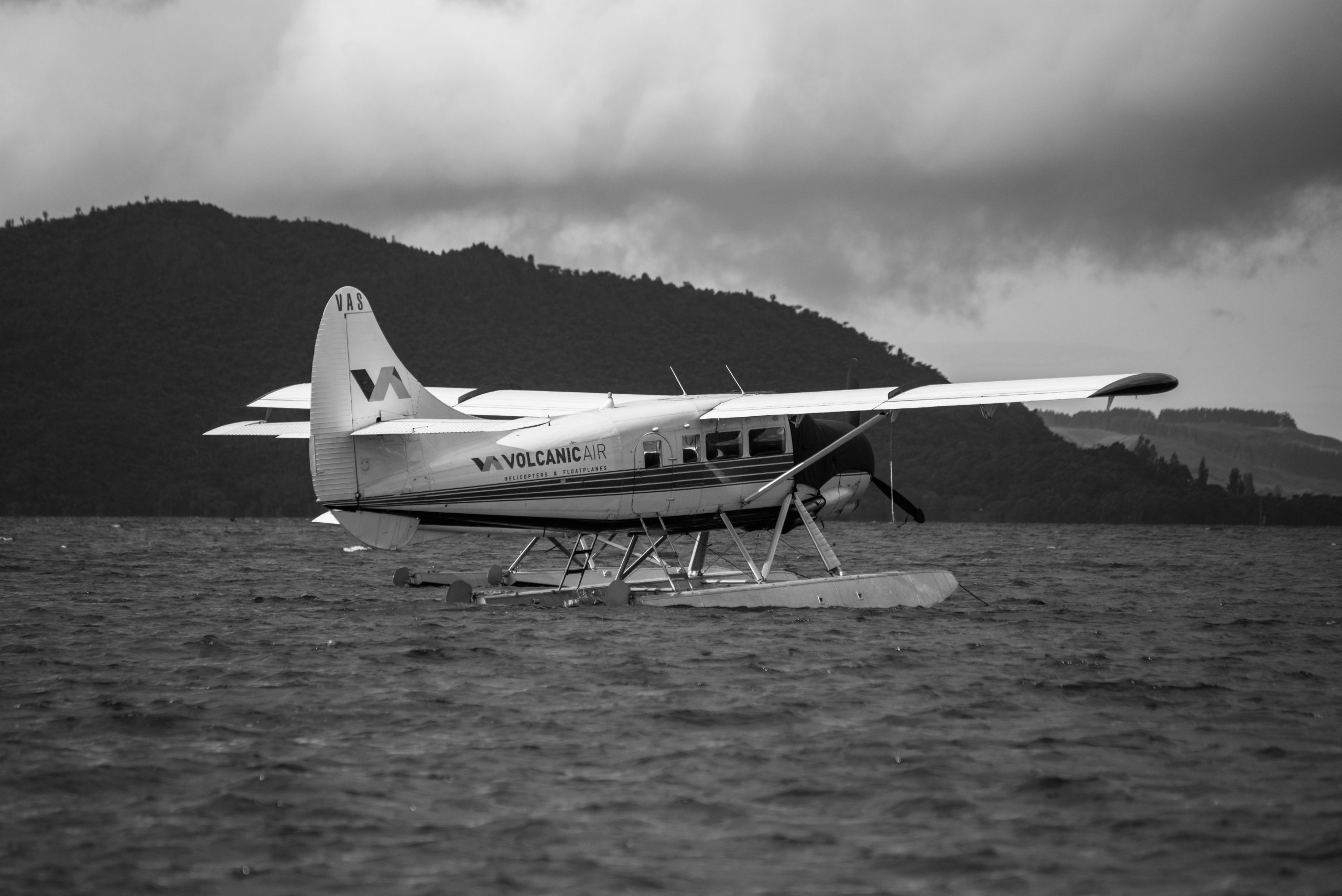
Aviation insurance is a specialized form of coverage designed to protect aircraft owners, operators, and businesses involved in aviation from the unique risks associated with flying and aircraft ownership. This type of insurance covers everything from aircraft damage to personal injury and property damage, ensuring that the owners and operators can mitigate the financial impact of unforeseen events. In this guide, we explore the types of aviation insurance available and how it protects the aviation industry.
What is Aviation Insurance?
Aviation insurance is designed specifically to address the risks associated with the ownership, operation, and maintenance of aircraft. It covers a wide range of liabilities and damages, including physical damage to the aircraft, personal injury, property damage, and legal responsibilities arising from aircraft operations. Aviation insurance can also extend to cover hangars, airports, and various aviation products sold by operators.
This type of insurance is essential for anyone involved in the aviation industry—whether they are private aircraft owners, commercial airlines, airport owners, or businesses that manufacture or sell aviation-related products.
Types of Aviation Insurance
There are several types of aviation insurance policies, each designed to address specific risks involved in aircraft operations. Below are the primary categories of aviation insurance:
1. In-Flight Insurance
In-flight insurance covers an aircraft while it is in operation during flight. This includes coverage for damages caused by accidents, such as crashes or mechanical failures. In-flight insurance ensures that both the aircraft and its passengers are protected during the flight, providing coverage for physical damage to the aircraft and legal liability for any injuries or deaths that may occur.
2. Ground Risk Hull (Non-Motion) Insurance
Ground risk hull insurance (non-motion) covers damage to an aircraft while it is on the ground and not in motion. This type of coverage typically applies to aircraft parked at airports or hangars. It includes protection against risks like theft, vandalism, or damage caused by accidents on the ground, such as vehicles or equipment colliding with the stationary aircraft.
3. Ground Risk Hull (Motion) Insurance
Ground risk hull insurance (motion) covers an aircraft while it is on the ground but in motion. This is typically applicable when the aircraft is taxiing, taking off, or landing. Ground motion insurance covers damages that might occur during these phases of flight when the aircraft is moving on the runway or within the airport premises.
4. Public Liability Insurance
Public liability insurance in aviation covers legal costs and compensation claims arising from third-party injuries or property damage caused by the operation of the aircraft. This insurance is crucial for protecting aircraft operators and airport owners from lawsuits or claims filed by individuals or businesses that suffer losses due to aviation-related incidents, such as accidents at the airport or collisions with property.
5. Passenger Liability Insurance
Passenger liability insurance covers injuries or deaths sustained by passengers in the event of an accident. This type of insurance is particularly important for commercial aircraft operators, as it protects them from financial claims resulting from passenger harm. It can also cover medical expenses for passengers injured during the flight, ensuring that airlines are not financially burdened by such claims.
What Does Aviation Insurance Cover?
Aviation insurance generally provides coverage for both physical damage to the aircraft and legal liability associated with its ownership and operation. Specific policies also cater to additional risks related to hangars, airports, and aviation products sold by operators. Here’s a breakdown of what aviation insurance covers:
- Physical Damage to Aircraft: Coverage for repairs or replacement of the aircraft in the event of a crash, collision, or other accidents, whether in-flight or on the ground.
- Legal Liability: Covers the legal costs and claims associated with injuries, deaths, or property damage caused by the aircraft, including liability for accidents that occur on the ground or in-flight.
- Hangar and Airport Liability: Provides coverage for the legal liability of airport owners or operators arising from the operation of hangars or their role in aviation activities. This includes damage caused by the operation of the airport or hangar, such as fires, accidents, or faulty equipment.
- Passenger and Crew Coverage: Insurance that provides medical and legal coverage for passengers or crew members who are injured or killed in the event of an aviation accident.
Benefits of Aviation Insurance
- Protection from Aircraft Damage: Aviation insurance ensures that aircraft owners are protected financially in case of accidents or damage to their aircraft, reducing the burden of repair or replacement costs.
- Liability Coverage: This type of insurance covers the legal liabilities associated with the operation of the aircraft, protecting owners and operators from expensive lawsuits or compensation claims.
- Comprehensive Coverage for Airports and Hangars: For airport owners and operators, aviation insurance offers coverage for risks associated with hangars, terminals, and other aviation-related infrastructure.
- Peace of Mind for Operators: With the unpredictable nature of aviation operations, having adequate insurance allows owners and operators to focus on running their business without constant worry about the financial impact of potential accidents or damages.
How to Choose the Right Aviation Insurance
Choosing the right aviation insurance depends on several factors, including the type of aircraft you operate, your level of exposure to risk, and the specific operations of your aviation business. When selecting an aviation insurance policy, consider the following:
- Aircraft Type: Different aircraft require different levels of coverage. Larger commercial planes might require more extensive policies compared to smaller private aircraft.
- Operational Scope: If you operate an airport or manage a hangar, ensure your policy covers all relevant liabilities associated with those operations.
- Coverage Needs: Determine whether you need in-flight coverage, ground risk hull insurance, or passenger liability coverage. Tailor your policy to meet the specific needs of your operations.
- Premiums and Deductibles: Compare premiums from different insurers to find a policy that fits your budget while providing adequate coverage.
Conclusion
Aviation insurance plays a crucial role in protecting the aviation industry from the unique risks it faces. With various types of coverage available, from in-flight insurance to ground risk hull and passenger liability, this specialized insurance ensures that aircraft owners, operators, and businesses are financially protected against accidents, damages, and liabilities. By choosing the right policy, aviation professionals can secure their operations and continue to navigate the skies with confidence.