


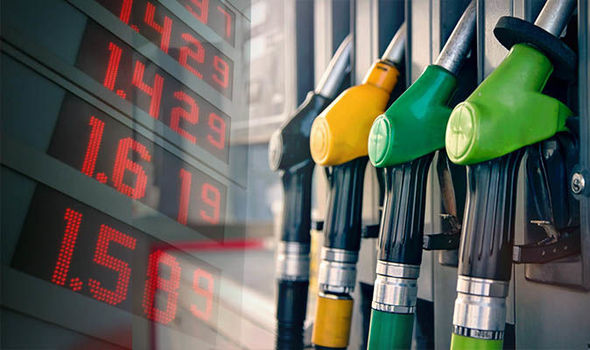
China fuel prices remain among the world’s most closely watched economic indicators because the country is the largest energy consumer, manufacturing hub, and industrial economy globally. Gasoline, diesel, electricity, and natural gas prices directly influence global supply chains, industrial production, transportation costs, inflation, and international commodity markets.
As the world’s second-largest economy, China consumes enormous amounts of energy across manufacturing, logistics, transportation, construction, technology, and household sectors. Fuel and electricity prices therefore play a critical role not only within China’s domestic economy but also across global trade and industrial systems.
Fuel are any materials that can react with other substances to release energy as thermal energy or to be used for work. The concept was originally applied solely to those materials capable of releasing chemical energy but has since also been applied to other sources of heat energy, such as nuclear energy (via nuclear fission and nuclear fusion).
Read Also: Bangladesh Fuel Prices and Electricity Costs
The usage and pricing of gasoline (or petrol) results from factors such as crude oil prices, processing and distribution costs, local demand, the strength of local currencies, local taxation or subsidy, and the availability of local sources of gasoline (supply). Since fuels are traded worldwide, the trade prices are similar.
China relies on a complex energy mix that includes coal, oil, natural gas, hydroelectric power, nuclear energy, solar, and wind generation. While the country remains one of the world’s largest importers of crude oil and liquefied natural gas, it has also become the global leader in renewable energy investment and electricity infrastructure expansion.
China fuel prices therefore provide important insight into industrial competitiveness, inflation trends, manufacturing costs, export performance, energy security, and the broader direction of the global economy.
Current Fuel Prices in China
The table below shows the latest available fuel and energy prices in China.
| Fuel Type | Date | Price (CNY) | Price (USD) | Unit |
|---|---|---|---|---|
| Gasoline (Octane-95) | 18 May 2026 | 9.353 | 1.372 | Per liter |
| Diesel | 18 May 2026 | 8.402 | 1.233 | Per liter |
| Electricity (Households) | 1 Sept 2025 | 0.532 | 0.078 | Per kWh |
| Electricity (Business) | 1 Sept 2025 | 0.796 | 0.117 | Per kWh |
| Natural Gas (Households) | 1 Sept 2025 | 0.347 | 0.051 | Per kWh |
| Natural Gas (Business) | 1 Sept 2025 | 0.349 | 0.051 | Per kWh |
Gasoline prices currently remain higher than diesel prices, while residential electricity prices remain lower than commercial power tariffs.
Current Electricity Prices in China
Electricity pricing remains one of the most strategically important components of China’s economy. Residential electricity currently averages 0.532 CNY per kWh, while businesses pay approximately 0.796 CNY per kWh.
Residential Electricity Costs
Chinese households rely heavily on electricity for heating, cooling, appliances, digital connectivity, and transportation charging infrastructure.
Electricity affordability remains important because urbanization and rising living standards continue increasing household energy demand.
Business Electricity Costs
Commercial electricity pricing directly affects manufacturing, export industries, logistics, data centers, semiconductor production, and industrial competitiveness.
China’s industrial sector remains one of the world’s largest electricity consumers.
Renewable Energy Leadership
China leads the world in solar, wind, hydroelectric, and battery energy investment.
The country has rapidly expanded renewable generation capacity while also modernizing electricity transmission infrastructure.
Current Natural Gas Prices in China
Natural gas has become increasingly important within China’s energy transition strategy.
Current natural gas prices are:
- Household natural gas: 0.347 CNY per kWh
- Business natural gas: 0.349 CNY per kWh
Residential Natural Gas Usage
Natural gas is widely used for cooking, heating, and household energy needs in urban areas.
Industrial and Commercial Demand
Factories, power plants, and industrial facilities rely heavily on natural gas for electricity generation and manufacturing processes.
LNG Import Dependency
China remains one of the world’s largest importers of liquefied natural gas to meet rising domestic demand.
Why Fuel Prices in China Are Rising or Falling
Several major factors influence China fuel prices.
Global Oil Prices
International crude oil markets remain the largest driver of gasoline and diesel pricing.
Industrial Energy Demand
China’s massive manufacturing sector consumes enormous energy volumes, influencing both domestic and global fuel markets.
Government Pricing Controls
Authorities regulate parts of the fuel and electricity market to maintain economic stability and control inflation.
Currency Exchange Rates
The Chinese yuan’s exchange rate against the U.S. dollar affects imported energy costs.
Geopolitical and Trade Factors
Global trade tensions, shipping conditions, and geopolitical developments also affect fuel supply and pricing.
Read Also: Afghanistan Fuel Prices and Electricity Costs
Gasoline Prices in China
Gasoline prices currently average 9.353 CNY per liter or approximately $1.372 USD per liter.
Transportation Costs
Gasoline prices directly affect commuting expenses, ride-hailing services, logistics operations, and private vehicle ownership costs.
Urban Mobility
Major cities such as Beijing, Shanghai, Shenzhen, and Guangzhou experience substantial transportation fuel demand.
Electric Vehicle Competition
China’s rapidly expanding electric vehicle market is gradually reshaping long-term gasoline demand patterns.
Diesel Prices in China
Diesel currently costs approximately 8.402 CNY per liter.
Freight and Logistics
China’s vast logistics and export infrastructure depends heavily on diesel-powered transportation systems.
Industrial Demand
Construction, manufacturing, mining, agriculture, and shipping all rely heavily on diesel fuel.
Export Supply Chains
Diesel pricing influences manufacturing costs and global export competitiveness.
Electricity Prices and Power Costs
Electricity remains central to China’s industrial strength and economic expansion.
Manufacturing Power Demand
Factories, industrial parks, and export-oriented manufacturing zones consume enormous electricity volumes.
Renewable Energy Expansion
China continues leading global renewable energy deployment through solar farms, wind projects, and hydroelectric infrastructure.
Nuclear and Coal Generation
Coal still remains a major part of China’s electricity system, although renewable energy growth continues accelerating.
Grid Modernization
China has invested heavily in ultra-high-voltage transmission systems and electricity infrastructure modernization.
How China Compares to Other Countries
China fuel prices remain strategically important globally.
Compared With the United States
Electricity prices in China generally remain lower than many U.S. urban commercial rates, supporting manufacturing competitiveness.
Compared With India
China possesses larger industrial infrastructure and more advanced electricity transmission systems.
Compared With Europe
Many European economies face significantly higher electricity and natural gas prices than China.
Compared With Global Averages
China maintains relatively competitive industrial electricity pricing considering the scale of its economy.
Economic Impact of Fuel Prices in China
Energy prices strongly influence both China’s domestic economy and global markets.
Manufacturing Competitiveness
Affordable electricity and fuel remain essential for export-oriented industrial production.
Read Also:Tunisia Fuel Prices and Energy Costs
Inflation and Consumer Spending
Transportation and utility costs influence household affordability and inflation trends.
Technology and Data Centers
Artificial intelligence infrastructure, semiconductor production, and cloud computing require massive electricity consumption.
Transportation and Logistics
China’s large freight and shipping networks depend heavily on stable diesel supply.
Global Supply Chains
Fuel and electricity prices in China affect manufacturing costs worldwide.
Government Policies Affecting Fuel Prices
Government policy remains central to China’s energy market.
Energy Security Strategy
China prioritizes energy diversification and strategic fuel reserves.
Renewable Energy Investment
The country continues investing heavily in solar, wind, hydroelectric, battery, and nuclear energy projects.
Electric Vehicle Policies
China remains the world leader in electric vehicle manufacturing and EV adoption incentives.
Industrial Electricity Policy
Authorities closely manage industrial electricity pricing to support economic growth and manufacturing stability.
Future Fuel Price Forecast for China
The outlook for China fuel prices depends heavily on global energy markets and domestic industrial trends.
Oil Market Trends
International crude oil prices will continue influencing gasoline and diesel costs.
Electric Vehicle Expansion
Rapid EV adoption may gradually reduce long-term gasoline demand growth.
Renewable Energy Growth
Solar, wind, and battery infrastructure expansion will continue reshaping China’s electricity market.
Industrial Energy Demand
Technology, manufacturing, and AI-related infrastructure will likely continue driving electricity consumption growth.
Frequently Asked Questions About Fuel Prices in China
Why are fuel prices important in China?
China is the world’s largest industrial economy and energy consumer, making fuel prices globally significant.
What is the current gasoline price in China?
Gasoline prices currently average 9.353 CNY per liter or approximately $1.372 USD per liter.
Why is electricity important for China’s economy?
China’s manufacturing sector, technology industry, and export economy depend heavily on stable electricity supply.
Does China import oil and natural gas?
Yes. China remains one of the world’s largest importers of crude oil and LNG.
Is China investing in renewable energy?
Yes. China leads the world in renewable energy capacity and clean energy investment.
Are fuel prices expected to rise in China?
Future prices will depend on global oil markets, industrial demand, renewable energy growth, and government policy decisions.
Read Also: Sudan Fuel Prices and Electricity Costs
Conclusion
China fuel prices remain deeply connected to industrial production, global trade, manufacturing competitiveness, and the broader direction of the world economy. Gasoline, diesel, electricity, and natural gas prices continue influencing export costs, transportation systems, inflation, household affordability, and industrial growth across the country.
Although China remains one of the world’s largest importers of oil and LNG, the country has also become the global leader in renewable energy expansion, electric vehicle adoption, and electricity infrastructure modernization. These developments are gradually reshaping both domestic energy consumption and global energy markets.
Looking ahead, China’s energy future will depend on balancing industrial growth, energy security, renewable expansion, and long-term sustainability goals. Monitoring China fuel prices therefore remains essential for understanding both domestic economic conditions and broader global energy and manufacturing trends.
Read Also: Senegal Fuel Prices and Electricity Costs


