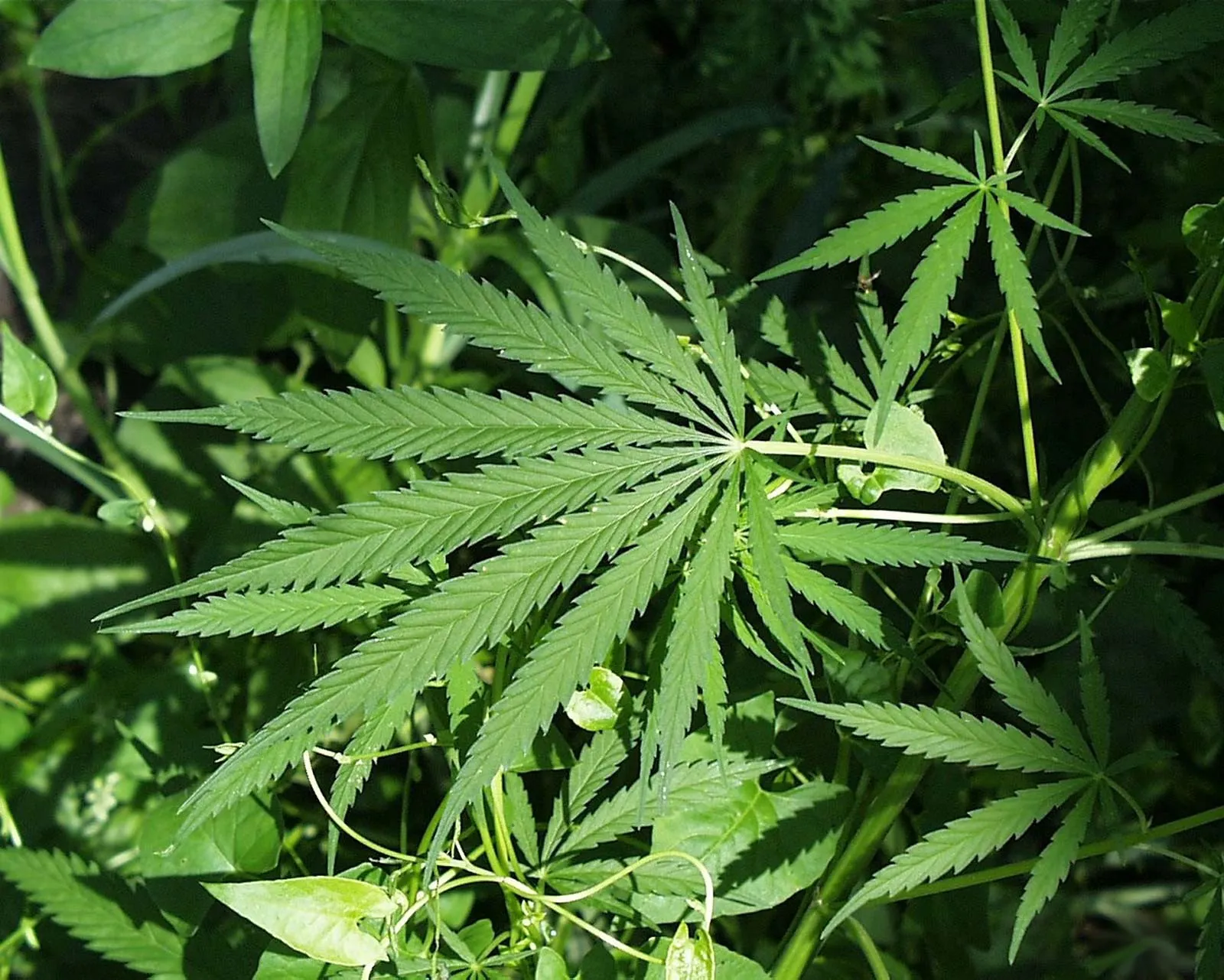
For years, cannabis has carried the weight of cultural stereotypes—portrayed as the drug of escapism and indulgence. Yet behind the haze of stigma lies a growing body of evidence that cannabis may play a transformative role in neuropsychiatric medicine. Used under medical supervision, it’s proving to be a therapeutic ally for conditions once deemed resistant to treatment, including autism spectrum disorder (ASD), Alzheimer’s disease (AD), Parkinson’s, epilepsy, and neuropathic pain.
In over a decade of clinical practice, medical professionals are discovering that the plant’s complex chemistry interacts with one of the body’s most intricate networks: the endocannabinoid system (ECS). The ECS influences mood, inflammation, memory, and even neural communication. When neurological systems fall out of balance—due to oxidative stress, inflammation, or mitochondrial dysfunction—cannabis compounds can help restore harmony.
A Shared Neural Landscape
What’s especially striking is how cannabis seems to benefit both ends of the neuropsychiatric spectrum—early-life conditions like autism and late-life diseases like Alzheimer’s. While vastly different in origin, both share several overlapping features: repetitive behaviors, social and communication difficulties, anxiety, rigidity, and sleep disturbances. Recent findings even suggest similar genetic markers and biochemical pathways in ASD and AD, including the same saliva-based biomarkers that may guide personalized cannabinoid therapies.
In practical terms, this means cannabis doesn’t just mask symptoms—it helps regulate underlying neural dysfunctions. Patients with autism have shown reduced agitation, improved communication, and increased social engagement. For those with Alzheimer’s, families describe heartwarming moments when loved ones regain fleeting but powerful awareness, reconnecting with those around them. Even when temporary, these moments represent a restoration of human connection thought to be lost forever.
Caregiver Relief and Emotional Healing
Equally important are the benefits for caregivers. Witnessing a loved one suffer from unrelenting neurological decline is emotionally draining. When cannabis reduces irritability, restlessness, or insomnia, caregivers report less burnout and more capacity to nurture. Cannabis offers a sense of shared healing—calming not only the patient’s mind but also easing the emotional load of those who provide care.
Scientific Promise and Regulatory Barriers
Despite encouraging clinical and anecdotal results, large-scale studies remain scarce. Cannabis’s federal classification as a Schedule I narcotic makes research funding and approval difficult. This legal bottleneck, compounded by social stigma, has slowed the validation process even as medical professionals see real-world improvements. Meanwhile, conventional psychotropics often carry serious side effects, low efficacy, and black-box warnings—making the relative safety of cannabis, under proper medical guidance, all the more compelling.
In eldercare facilities and clinical settings, many practitioners advocate for integrating cannabis-based therapies. Support among nurses and aides is growing, yet administrative hesitation persists at higher institutional levels. This reflects a broader societal contradiction: evidence of benefit exists, but acceptance lags behind.
Toward a New Understanding of Healing
Cannabis is not a miracle cure, but it represents a new frontier in neuropsychiatric treatment—a bridge between neurology, psychiatry, and molecular biology. As science continues to uncover how cannabinoids interact with neural circuits and genetic markers, the plant is reshaping our understanding of both illness and healing.
For patients regaining their voices, caregivers reclaiming hope, and researchers uncovering hidden neurological links, cannabis offers more than symptom relief—it offers connection, curiosity, and dignity. With greater research support and reduced stigma, the medicine long misunderstood as a “recreational escape” could become one of the most promising tools for restoring balance to the mind.