


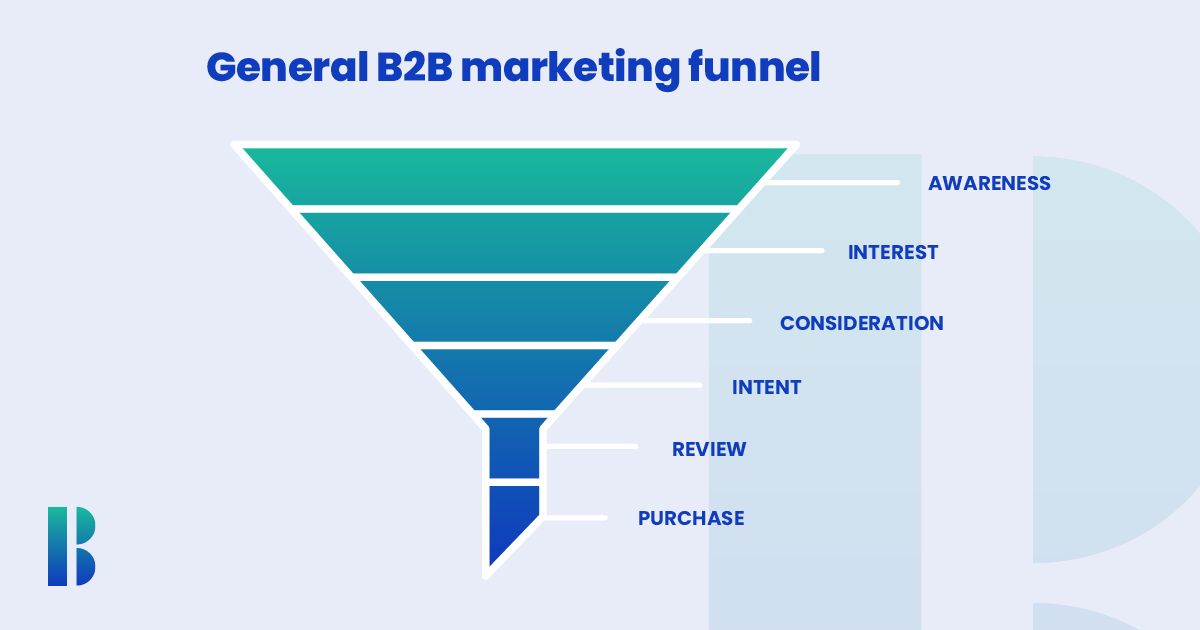
Generating high-quality business leads isn’t about casting the widest net—it’s about guiding the right prospects through a structured journey. A successful B2B lead generation funnel is built with precision, targeting specific buyer personas, nurturing them with value-driven content, and moving them steadily toward a purchase decision. In B2B markets, where the sales cycle is longer and buying decisions are complex, a well-optimized funnel becomes the backbone of predictable growth.
To build a funnel that truly works, you need more than flashy landing pages or generic email blasts. It requires strategic alignment across awareness, consideration, and decision stages—plus the tools to automate and track performance. Whether you’re starting from scratch or optimizing an underperforming funnel, this guide lays out a proven blueprint to turn anonymous visitors into paying customers using a reliable B2B lead generation funnel.
Key Stages of a B2B Lead Generation Funnel
1. Top of Funnel (Awareness)
- Goal: Attract ideal prospects with valuable, relevant content
- Tactics: SEO, paid ads, webinars, whitepapers, blog posts
- Tools: Google Ads, LinkedIn Ads, content management systems
2. Middle of Funnel (Consideration)
- Goal: Educate and build trust
- Tactics: Lead magnets, email nurturing, case studies, newsletters
- Tools: CRM platforms, marketing automation, email sequences
3. Bottom of Funnel (Decision)
- Goal: Convert interested leads into sales-ready opportunities
- Tactics: Free trials, product demos, consultation offers
- Tools: Calendly, Zoom, proposal software, pipeline CRM
Optimization Best Practices
- Define Your Ideal Customer Profile (ICP): Narrow your targeting to reduce friction and increase conversion.
- Lead Scoring: Use behavioral and demographic data to prioritize leads for sales.
- Personalization: Tailor email and content offers based on funnel stage and industry.
- Analytics Tracking: Monitor key metrics like conversion rates, CPL, and lead-to-close ratios.
- A/B Testing: Continuously test CTAs, landing pages, and email content to improve funnel efficiency.
Final Thoughts
An effective B2B lead generation funnel isn’t just about collecting emails—it’s about creating a scalable system that aligns marketing and sales for consistent results. By combining targeted outreach, strategic nurturing, and data-driven decisions, you can build a funnel that doesn’t just generate leads—it delivers revenue. Focus on intent, deliver value at every touchpoint, and refine with data for long-term success.


