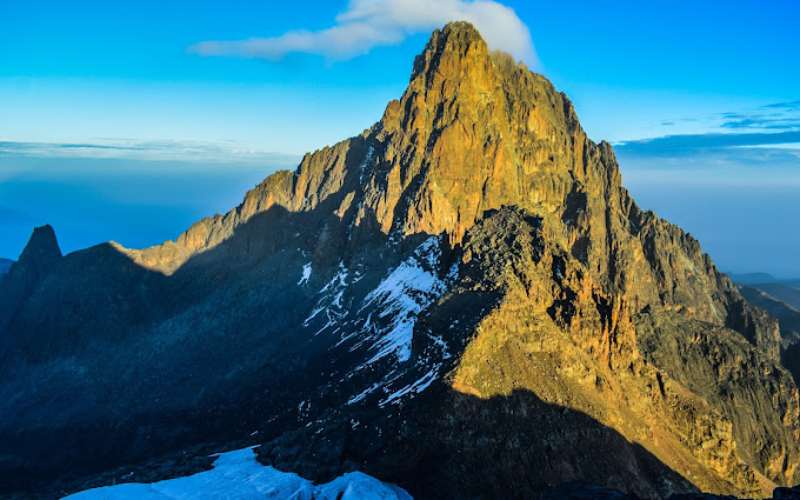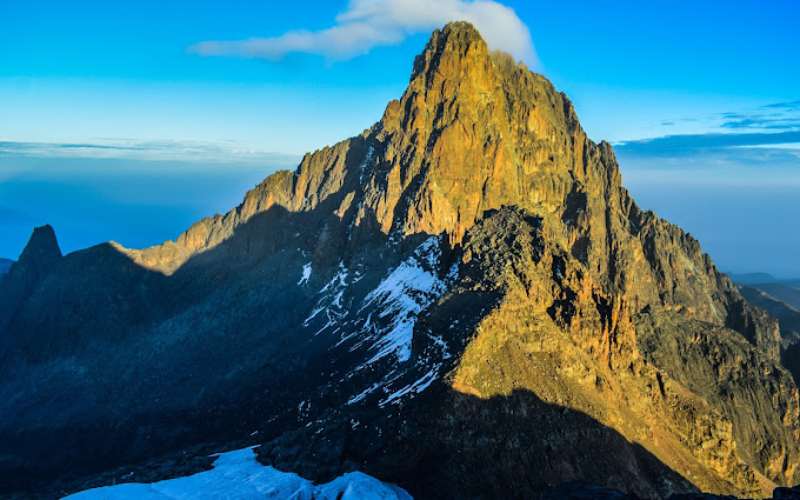
Climbing Mount Kenya is a thrilling yet challenging adventure. But what is the best time to take on this awe-inspiring peak? Choosing the right time is crucial for a rewarding experience. While some seasons promise clear skies and scenic views, others might leave you battling through wet conditions. This guide will help you pinpoint the optimal times for your trek, ensuring a memorable journey to Africa’s second-highest mountain.
The Ideal Climbing Seasons
The best months to climb Mount Kenya align with the dry seasons of the year. These periods offer the safest and most pleasant conditions for your hike, ensuring minimal rain and maximum visibility.
Peak Season 1: January to Early March
The first dry season from January to early March is widely regarded as the prime time for summiting Mount Kenya. The temperatures are warm, and rainfall is minimal, creating perfect conditions for a clear and enjoyable hike. With dry trails and fantastic visibility, this period is ideal for capturing those breathtaking sunrise photos from Point Lenana.
This peak season attracts many climbers, especially international visitors. As such, it’s recommended to book your climb in advance, securing a guide and accommodation at the mountain huts.
Peak Season 2: August to September
The second peak season runs from August to September. While it may be slightly colder, particularly at night and at higher altitudes, the weather remains dry. This season offers superb visibility, allowing for panoramic views of the surrounding landscape. Additionally, this period coincides with the Great Migration in the Maasai Mara, providing the opportunity for a “Peaks and Plains” holiday — combining a mountaineering experience with a safari adventure.
When Not to Climb Mount Kenya: The Rainy Seasons
Although climbing Mount Kenya during the rainy seasons is possible, it’s not recommended. The long rains from late March to May and the short rains from October to December bring wet and challenging conditions. These periods can make trails muddy and slippery, increasing the risk of accidents. Additionally, the frequent clouds and rain can obscure views, making the experience less enjoyable.
However, the rainy seasons are a great time to visit Kenya’s national parks for wildlife viewing. With fewer tourists and vibrant landscapes, you can experience the savannah in its green season, all while planning your Mount Kenya adventure for the drier months.
Choosing the Right Mount Kenya Climbing Route
Mount Kenya offers several trekking routes, each providing a unique experience. The Sirimon and Naro Moru routes are the most popular, and each has distinct features suited for different climbers.
Sirimon Route: A Gradual Ascent
The Sirimon route is ideal for beginners and those concerned about altitude sickness. Known for its gradual ascent, it provides ample time for acclimatization, which increases your chances of summiting successfully. The route takes you through Mackinder’s Valley, where you can enjoy stunning views of the mountain’s flora and unique landscapes.
Naro Moru Route: Quick and Direct
If you’re short on time and looking for a faster climb, the Naro Moru route is the quickest way to the summit. However, its rapid ascent poses a greater challenge, especially in terms of altitude acclimatization. This route is notorious for its steep “Vertical Bog,” which can be tricky to navigate, particularly after rain. It’s best suited for those with good physical conditioning.
Preparing for Your Mount Kenya Adventure
A successful climb requires thorough preparation. It’s mandatory to have a certified guide, which is not only for safety but also to comply with Kenya Wildlife Service (KWS) regulations. A professional crew will assist with navigation, carry most of the equipment, and provide hot, nutritious meals, which are essential for staying energized during the cold, high-altitude trek.
Booking through a reputable tour company is the most efficient way to ensure everything is arranged. These companies handle all logistics, including transport, guides, porters, and camping equipment, allowing you to focus on the experience itself.
Key Locations on Your Mount Kenya Trek
As you ascend, you will pass several key camps. Here’s a preview of what to expect at some of the most important stops along the way:
- Met Station (3,048m): The first high-altitude stop, known for its basic wooden cabins and cool temperatures.
- Mackinder’s Camp (4,200m): The final prep stop before your summit attempt, offering stunning views and optimal conditions for acclimatization.
- Point Lenana (4,985m): The trekker’s summit, where you’ll be rewarded with a sunrise view over the vast Kenyan landscape.
Frequently Asked Questions
- How difficult is climbing Mount Kenya?
Climbing Mount Kenya is a serious high-altitude trek. While technical climbing skills are not necessary for reaching Point Lenana, the altitude remains a significant challenge. Anyone with good fitness and proper preparation can summit. - Should I take Diamox for altitude sickness?
Diamox can help prevent altitude sickness, but it’s essential to consult your doctor before using it. Proper acclimatization through slow and steady hiking is the most effective prevention method. - What should I pack?
Essential items include hiking boots, warm clothing, waterproof gear, a headlamp, sunglasses, and sunscreen. Your tour company typically provides camping gear such as sleeping bags.