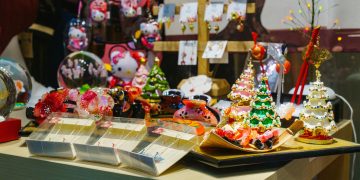
Nothing quite compares to the scent of a fresh Christmas tree, which fills your home with festive cheer. But with so many varieties to choose from, how do you know which tree smells the best? To help you make an informed choice, we consulted with tree experts to reveal which Christmas tree variety has the most enchanting fragrance. Read on to discover the best-smelling Christmas trees and tips for prolonging their scent during the holiday season.
The Most Fragrant Christmas Tree
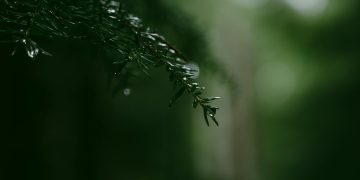
When it comes to fragrance, the fir tree stands out as the favorite for most people. According to Eric North, PhD, program manager at the Arbor Day Foundation, fir trees typically offer a fragrance that’s citrusy, earthy, and lightly spicy—perfect for evoking holiday memories. Balsam fir, in particular, is a traditional favorite known for its grounding and earthy aroma.
Jesse Jimerson, co-owner of Piper Mountain Christmas Tree Farm, agrees that Balsam fir is the classic Christmas scent. “It’s comforting, warm, and very memorable,” he says, recalling the familiar smell from his childhood tree.
How to Enjoy the Scent of Balsam Fir:
- To fully enjoy the fresh aroma, try breaking a few of the flat, green needles or crushing them in your hands. Inhale deeply to experience the full sensory effect.
Other Fragrant Christmas Tree Varieties
While Balsam firs are the most commonly recommended for fragrance, there are several other varieties that can also bring lovely scents to your home:
- Pines: Pines offer a fresh, clean scent reminiscent of newly cut lumber. Some pine varieties may also have hints of citrus or spice, but the dominant fragrance is earthy and fresh. They are less fragrant than firs but still a great choice for a fresh holiday smell.
- Spruces: Spruces typically emit a light citrus scent. While they are generally less fragrant than fir trees, some species can have a slightly pungent odor, which may not appeal to everyone.
- Douglas Firs: Not a true fir, the Douglas fir has a citrus-heavy scent with fewer earthy or spicy notes compared to traditional fir trees. It’s a great choice if you prefer a more citrus-forward fragrance.
Why Certain Trees Smell More Fragrant Than Others
The fragrance of a Christmas tree is primarily determined by its essential oils, which are made up of biochemicals known as terpenoids. These compounds are responsible for the distinct aromas we associate with different tree species. Trees with a higher concentration of essential oils typically produce a stronger fragrance.
Tree experts like Eric North note that a tree’s environment also plays a role in its scent. “When trees grow in ideal conditions, they produce more essential oils,” he explains. “Healthy, unstressed trees will have a more fragrant scent than those that are stressed due to poor growing conditions.”
How to Make a Christmas Tree Smell Fresh for Longer
To maximize your tree’s fragrance, keeping it fresh and hydrated is key. A dry tree will lose its aroma more quickly, so it’s important to follow these tips to ensure your tree smells great for as long as possible:
- Cut the Base: When you bring your tree home, cut off about ½ to 1 inch from the trunk to help it absorb water more effectively.
- Water Regularly: Keep your tree’s stand filled with water at all times. Trees can drink a lot of water, especially in the first few days after being brought inside. Set a reminder to check the water level daily.
- Avoid Heat Sources: Keep your tree away from direct heat sources, such as radiators or fireplaces, as they can dry out the tree and diminish its fragrance.
How Long Does the Scent Last?
The length of time your tree maintains its fragrance depends on several factors, including when it was cut, the species of the tree, and how well it’s cared for. Typically, a well-watered tree will remain fragrant for about a month. However, if the tree was cut a long time before purchase, the scent will likely fade more quickly.
Jimerson recommends buying a fresh-cut tree if possible. “Fresh-cut trees always have the best scent,” he says. At Piper Mountain Christmas Tree Farm, they operate a choose-and-cut farm, ensuring customers get the freshest, most fragrant trees available.
Conclusion
The Balsam fir is widely regarded as the most fragrant Christmas tree, offering a classic holiday scent that’s both earthy and citrusy. However, other varieties like pines, spruces, and Douglas firs also provide lovely fragrances, each with its unique characteristics. By keeping your tree fresh and hydrated, you can enjoy its delightful aroma throughout the holiday season. Whether you’re choosing your tree for its scent or simply to enjoy its beauty, the right tree will make your holidays smell like Christmas.