


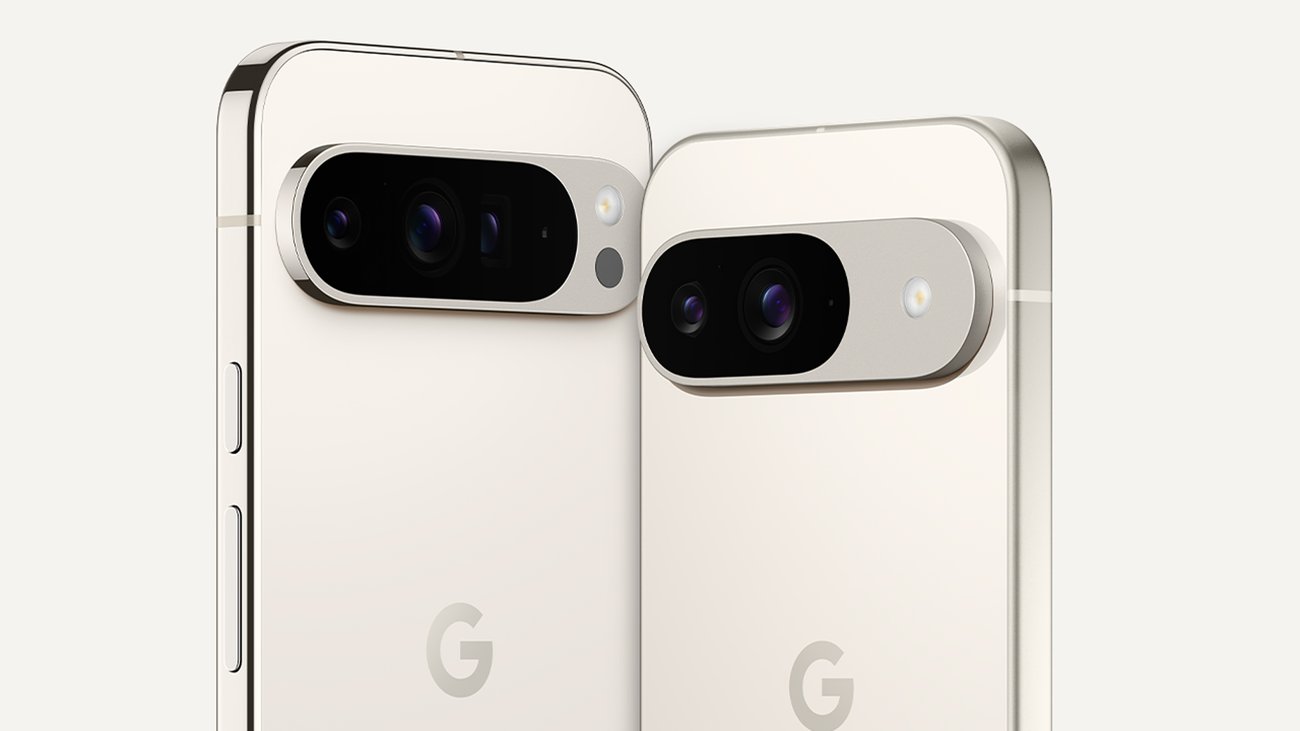
The smartphone market in 2026 offers something for every user, whether you’re looking for a budget-friendly device, a versatile mid-range option, or a powerful high-end flagship. With innovation at the forefront, devices like foldables and AI-enhanced cameras are revolutionizing the way we interact with our phones. In this guide, we’ll dive into the top smartphones of 2026 across all price ranges, from budget to premium, helping you find the best device for your needs.
A smartphone is a mobile device that combines the functionality of a traditional mobile phone with advanced computing capabilities. It typically has a touchscreen interface, allowing users to access a wide range of applications and services, such as web browsing, email, and social media, as well as multimedia playback and streaming. Smartphones have built-in cameras, GPS navigation, and support for various communication methods, including voice calls, text messaging, and internet-based messaging apps. Smartphones are distinguished from older-design feature phones by their more advanced hardware capabilities and extensive mobile operating systems, access to the internet, business applications, mobile payments, and multimedia functionality, including music, video, gaming, radio, and television.
Read Also: Realme Returns to Finland With New Smartphone Launches
Smartphones typically feature metal–oxide–semiconductor (MOS) integrated circuit (IC) chips, various sensors, and support for multiple wireless communication protocols. Examples of smartphone sensors include accelerometers, barometers, gyroscopes, and magnetometers; they can be used by both pre-installed and third-party software to enhance functionality. Wireless communication standards supported by smartphones include LTE, 5G NR, Wi-Fi, Bluetooth, and satellite navigation. By the mid-2020s, manufacturers began integrating satellite messaging and emergency services, expanding their utility in remote areas without reliable cellular coverage. Smartphones have largely replaced personal digital assistant (PDA) devices, handheld/palm-sized PCs, portable media players (PMP),[1] point-and-shoot cameras, camcorders, and, to a lesser extent, handheld video game consoles, e-reader devices, pocket calculators, and GPS tracking units.
Following the rising popularity of the iPhone in the late 2000s, the majority of smartphones have featured thin, slate-like form factors with large, capacitive touch screens with support for multi-touch gestures rather than physical keyboards. Most modern smartphones have the ability for users to download or purchase additional applications from a centralized app store. They often have support for cloud storage and cloud synchronization, and virtual assistants. Since the early 2010s, improved hardware and faster wireless communication have bolstered the growth of the smartphone industry. As of 2014, over a billion smartphones are sold globally every year. In 2019 alone, 1.54 billion smartphone units were shipped worldwide.[2] As of 2020, 75.05 percent of the world population were smartphone users.
Smartphone Picks for Every Budget
| Smartphone Model | Price Range | Display | Camera | Battery | Key Feature |
|---|---|---|---|---|---|
| Samsung Galaxy A17 5G | Budget ($200-$300) | 6.5-inch AMOLED | 48MP | 5000mAh | Great display and long battery life |
| Samsung Galaxy A25 5G | Budget ($200-$300) | 6.5-inch AMOLED | 50MP (OIS) | 5000mAh | Expandable storage, creator-focused features |
| Google Pixel 9a | Mid-range ($400-$500) | 6.1-inch OLED | 64MP | 4000mAh | AI-powered photography |
| iPhone 17 | Mid-range ($400-$600) | 6.1-inch OLED | 12MP | 4000mAh | Balanced performance, Apple ecosystem |
| Samsung Galaxy S25 Ultra | Premium ($900+) | 6.8-inch Dynamic AMOLED | 200MP | 5000mAh | Pro-grade camera and S Pen |
| Apple iPhone 17 Pro Max | Premium ($1000+) | 6.7-inch Super Retina XDR | 48MP | 4500mAh | Advanced performance, pro camera features |
| Samsung Galaxy Z Fold 7 | Premium ($1800+) | 7.6-inch Foldable AMOLED | 50MP | 4500mAh | Foldable screen for tablet-like experience |
Best Budget (Under $200-$300)
- Samsung Galaxy A17 5G / A16 5G
The Samsung Galaxy A17 5G and its predecessor, the A16 5G, offer excellent value for money with their stunning AMOLED displays, long-lasting battery life, and solid camera performance for everyday tasks. With expandable storage and years of updates, they are perfect for users looking for reliable performance without breaking the bank. - Samsung Galaxy A25 5G
Ideal for creators on a budget, the A25 5G features a 50MP camera with Optical Image Stabilization (OIS) for sharp and steady photos. It also retains the headphone jack and microSD slot, offering versatility for media-heavy users.
Best Mid-Range ($400-$600)
- Google Pixel 9a
The Google Pixel 9a continues to deliver one of the best photography experiences at an affordable price. Its computational photography and AI-powered features, combined with the $499 price tag, make it the perfect option for photo enthusiasts who want great results without paying a premium. - iPhone 17 (Base Model)
The iPhone 17 provides a balanced blend of performance, battery life, and camera quality. At a starting price of $499, it’s the best value in the iPhone lineup for users seeking Apple’s ecosystem and smooth performance. - iPhone 14 Pro (Renewed)
For those who want the power of the iPhone 14 Pro with ProMotion and the A16 chip at a mid-range price, the renewed version is a smart buy. You get the premium features without the hefty price tag, making it perfect for budget-conscious Apple fans.
Best High-End & Flagships (Premium)
- Samsung Galaxy S25 Ultra
For power users, the Galaxy S25 Ultra is the ultimate choice. Featuring a massive 6.8-inch Dynamic AMOLED display, a 200MP camera, and the S Pen, this device is designed for those who want top-tier performance, creative tools, and incredible image quality. - Apple iPhone 17 Pro Max
The iPhone 17 Pro Max is a powerhouse with a large Super Retina XDR display, a 48MP camera, and the all-new A19 chip. If you want Apple’s best in terms of performance and photography, this is the model to go for. - Google Pixel 10 Pro Fold
The Pixel 10 Pro Fold offers the best of both worlds with its foldable design and flagship-level specs. It features a massive foldable screen for those who crave a tablet-like experience and flagship-quality cameras with Google’s Tensor G5 processor.
Best Foldable
- Samsung Galaxy Z Fold 7
The Samsung Galaxy Z Fold 7 is the pinnacle of foldable smartphone design. With its expansive inner display, powerful specs, and cutting-edge design, the Z Fold 7 is perfect for users who want the versatility of a tablet and smartphone combined. It’s a standout device for 2026, offering a glimpse into the future of mobile technology.
How to Choose the Best Smartphone for You
- For Photography Enthusiasts:
If photography is your priority, the Google Pixel 9a offers exceptional value, while the Samsung Galaxy S25 Ultra delivers professional-grade cameras for those who need the best results. - For Apple Ecosystem Fans:
For seamless integration with Apple services and a balanced smartphone experience, the iPhone 17 or iPhone 17 Pro Max are the best choices. The iPhone 14 Pro (Renewed) also offers high-end features at a more affordable price. - For Value and Battery Life:
If you’re looking for solid performance and excellent battery life on a budget, the Samsung Galaxy A17 5G is a great option. It offers a premium display and long-lasting power at a fraction of the cost of flagships. - For Innovation:
If you want to explore the future of smartphones, the Samsung Galaxy Z Fold 7 offers groundbreaking foldable technology that combines portability with the power of a tablet.
Read Also: iPhone 17 Leads Global Smartphone Sales in Q1
A mobile operating system (or mobile OS) is an operating system for phones, tablets, smartwatches, or other mobile devices. Globally, Android and IOS are the two most used mobile operating systems based on usage share, with the former having been the best selling OS globally on all devices since 2013.
Mobile operating systems combine features of a personal computer operating system with other features useful for mobile or handheld use; usually including, and most of the following considered essential in modern mobile systems; a touchscreen, cellular, Bluetooth, Wi-Fi Protected Access, Wi-Fi, Global Positioning System (GPS) mobile navigation, video- and single-frame picture cameras, speech recognition, voice recorder, music player, near-field communication, and infrared blaster. By Q1 2018, over 383 million smartphones were sold with 85.9 percent running Android, 14.1 percent running iOS and a negligible number of smartphones running other OSes. Android alone is more popular than the popular desktop operating system Windows, and in general, smartphone use (even without tablets) exceeds desktop use. Other well-known mobile operating systems are Flyme OS and Harmony OS.


