


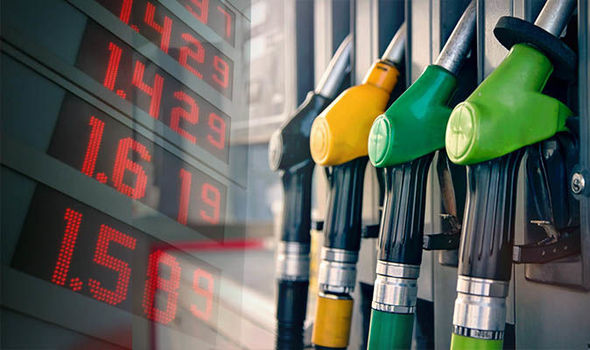
Belize fuel prices remain a major concern for households, businesses, tourism operators, and transportation companies as global oil market volatility continues influencing energy costs across the Caribbean region. Rising fuel and electricity expenses have become increasingly important in Belize because the country depends heavily on imported petroleum products and external energy markets.
Fuel are any materials that can react with other substances to release energy as thermal energy or to be used for work. The concept was originally applied solely to those materials capable of releasing chemical energy but has since also been applied to other sources of heat energy, such as nuclear energy (via nuclear fission and nuclear fusion).
The heat energy released by reactions of fuels can be converted into mechanical energy via a heat engine. Other times, the heat itself is valued for warmth, cooking, or industrial processes, as well as the illumination that accompanies combustion. Fuels are also used in the cells of organisms in a process known as cellular respiration, where organic molecules are oxidized to release usable energy. Hydrocarbons and related organic molecules are by far the most common source of fuel used by humans, but other substances, including radioactive metals, are also utilized.
Read Also: Argentina Fuel Prices and Electricity Costs 2026
Fuels are contrasted with other substances or devices storing potential energy, such as those that directly release electrical energy (such as batteries and capacitors) or mechanical energy (such as flywheels, springs, compressed air, or water in a reservoir).
As a small developing economy with strong reliance on tourism, agriculture, and imported goods, Belize faces unique energy pricing pressures. Gasoline and diesel prices directly affect transportation, food distribution, electricity generation, and the broader cost of living. Electricity prices also remain relatively high compared to many larger economies due to infrastructure costs and Belize’s limited domestic energy production capacity.
The country’s energy market continues evolving as authorities balance fuel taxation, import costs, renewable energy investment, and affordability concerns. Belize fuel prices therefore provide important insight into both consumer conditions and the wider economic outlook.
Current Fuel Prices in Belize
The table below shows the latest available retail energy and fuel prices in Belize.
| Fuel Type | Date | Price (BZD) | Price (USD) | Unit |
|---|---|---|---|---|
| Gasoline (Octane-95) | 18 May 2026 | 3.881 | 1.93 | Per liter |
| Diesel | 18 May 2026 | 4.221 | 2.10 | Per liter |
| Kerosene | 18 May 2026 | 3.833 | 1.906 | Per liter |
| Electricity (Households) | 1 Sept 2025 | 0.437 | 0.217 | Per kWh |
| Electricity (Business) | 1 Sept 2025 | 0.349 | 0.174 | Per kWh |
Belize diesel prices currently exceed gasoline prices, reflecting strong transportation and commercial demand alongside global refining pressures. Kerosene also remains important in some rural and lower-income communities where alternative energy access may be limited.
Unlike larger oil-producing nations, Belize remains vulnerable to international petroleum market fluctuations because much of its fuel supply is imported.
Current Electricity Prices in Belize
Electricity costs in Belize remain among the most closely watched household expenses due to the country’s warm climate and dependence on imported energy resources.
Residential electricity prices currently average 0.437 BZD per kWh, while businesses pay approximately 0.349 BZD per kWh.
Residential Electricity Costs
Households in Belize often experience high electricity bills because air conditioning and refrigeration are essential in the tropical climate. Energy consumption tends to increase significantly during hotter months.
Although Belize has invested in renewable energy and regional electricity imports, consumers still face relatively elevated utility costs compared with some neighboring Central American countries.
Business Electricity Costs
Commercial electricity prices heavily affect tourism operators, hotels, restaurants, supermarkets, and manufacturing businesses.
Tourism remains one of Belize’s largest economic sectors, and electricity costs directly influence hotel operations, cooling systems, and food storage expenses.
Comparison With Global Electricity Prices
Belize electricity prices are relatively high compared with several larger economies that benefit from large-scale domestic generation capacity. Small market size and infrastructure costs contribute significantly to final electricity pricing.
However, Belize’s renewable energy expansion efforts may help moderate long-term price growth.
Current Natural Gas Prices in Belize
Belize has limited domestic natural gas infrastructure compared with larger regional economies. Natural gas does not currently play as central a role in household energy consumption as it does in countries with extensive pipeline systems.
Instead, Belize relies more heavily on imported petroleum products and electricity generation from a mix of local and imported energy sources.
Commercial and industrial energy users therefore remain highly exposed to global oil price movements.
Why Fuel Prices in Belize Are Rising or Falling
Several important factors influence Belize fuel prices.
Global Oil Prices
International crude oil prices remain the largest driver of gasoline and diesel pricing in Belize. Since Belize imports much of its fuel, local prices typically rise when global oil markets tighten.
Import Dependency
Belize depends heavily on imported petroleum products. Shipping costs, refining margins, and international logistics therefore play major roles in determining domestic prices.
Currency Stability
The Belize dollar’s long-standing peg to the U.S. dollar helps reduce extreme currency volatility. This stability provides some protection against imported inflation compared with countries experiencing weaker currencies.
Fuel Taxes and Government Policies
Government taxes and duties contribute to final retail fuel pricing. Authorities may periodically adjust taxes or pricing mechanisms depending on fiscal conditions and market pressures.
Regional Supply Conditions
Caribbean and Central American fuel markets are highly interconnected. Supply disruptions, hurricanes, refinery outages, or shipping bottlenecks can quickly influence prices across the region.
Gasoline Prices in Belize
Gasoline prices in Belize currently average 3.881 BZD per liter, equivalent to approximately $1.93 USD per liter.
Transportation Costs
Higher gasoline prices increase transportation costs for households, taxi operators, delivery services, and tourism-related businesses.
In urban areas such as Belize City, rising fuel expenses directly affect commuting and local transportation pricing.
Consumer Spending Pressure
As fuel prices rise, consumers often reduce discretionary spending in other sectors. This can affect retail businesses, restaurants, and tourism activity.
Historical Pricing Trends
Belize gasoline prices have generally followed global oil trends over recent years, although local taxes and import structures also influence final pump costs.
Diesel Prices in Belize
Diesel prices currently stand at 4.221 BZD per liter, making diesel more expensive than gasoline.
Impact on Agriculture
Belize’s agricultural sector depends heavily on diesel-powered equipment and transportation. Sugar, citrus, banana, and seafood industries all face higher operational costs when diesel prices increase.
Freight and Logistics
Trucking companies and cargo operators are especially vulnerable to rising diesel prices. Transportation expenses often pass through to consumers in the form of higher retail prices.
Tourism and Marine Transport
Belize’s tourism industry also relies heavily on diesel-powered marine transportation, buses, and logistics systems.
Kerosene Prices in Belize
Kerosene currently costs approximately 3.833 BZD per liter.
Household Energy Use
Kerosene remains important for some rural households and lower-income communities where alternative energy access remains limited.
Rural Energy Challenges
Energy affordability in remote areas continues to be a policy concern. Transportation and distribution costs often make fuel more expensive outside major urban centers.
Transition to Cleaner Energy
Belize continues promoting cleaner and more sustainable energy solutions, though traditional fuels still play an important role in the national energy mix.
Electricity Prices and Power Costs
Electricity pricing remains a critical issue for Belize’s economic competitiveness.
Utility Infrastructure
Belize’s electricity system combines domestic generation with imported electricity from regional suppliers. Infrastructure investment remains necessary to improve reliability and reduce costs.
Renewable Energy Development
Belize has increased investment in renewable energy, including hydroelectric power, biomass, and solar projects.
Renewable energy expansion could help reduce dependence on imported fuel over the long term.
Household Affordability
Electricity affordability remains a concern for lower-income households because utility bills consume a significant share of monthly income.
Industrial Competitiveness
High electricity costs can reduce competitiveness for manufacturing and commercial industries.
How Belize Compares to Other Countries
Belize fuel prices often rank above those in larger energy-producing nations.
Compared With Mexico
Mexico generally benefits from larger refining capacity and a bigger domestic energy market, helping moderate fuel costs in some regions.
Compared With Guatemala
Guatemala’s larger economy and infrastructure scale can sometimes provide more competitive fuel pricing.
Compared With Caribbean Nations
Many Caribbean countries face similarly high energy costs due to import dependency and transportation expenses.
Compared With Global Averages
Belize fuel prices remain elevated relative to many oil-producing economies but are broadly consistent with small island and tourism-dependent markets.
Economic Impact of Fuel Prices in Belize
Energy costs influence nearly every part of Belize’s economy.
Inflation and Cost of Living
Higher gasoline and diesel prices contribute to rising transportation and food costs.
Tourism Industry Impact
Hotels, resorts, airlines, restaurants, and marine tourism operators all face higher operational expenses during periods of rising fuel costs.
Household Budgets
Fuel and electricity bills consume a significant share of household income, especially for middle- and lower-income families.
Agricultural Production Costs
Farmers face rising fuel and transportation expenses that can affect export competitiveness.
Economic Growth
Sustained high energy costs may slow business investment and reduce consumer purchasing power.
Government Policies Affecting Fuel Prices
Belize’s government plays a key role in managing energy affordability and market stability.
Fuel Taxation
Taxes and duties contribute substantially to pump prices.
Energy Regulation
Authorities regulate fuel pricing structures and utility operations to maintain market stability.
Renewable Energy Policies
Belize continues encouraging renewable energy investment to improve energy security and reduce import dependency.
Energy Diversification
Diversifying energy sources remains important for long-term price stability and economic resilience.
Future Fuel Price Forecast for Belize
The outlook for Belize fuel prices depends heavily on global energy markets and regional economic conditions.
Oil Price Expectations
If global crude oil prices remain elevated, Belize consumers may continue facing higher gasoline and diesel costs.
Renewable Energy Expansion
Investment in renewable energy infrastructure could gradually reduce electricity generation costs over time.
Tourism Recovery and Energy Demand
Stronger tourism activity may increase fuel demand while supporting broader economic growth.
Climate and Infrastructure Risks
Extreme weather events and hurricanes remain major risks to Caribbean energy infrastructure and fuel supply chains.
Frequently Asked Questions About Fuel Prices in Belize
Why are fuel prices high in Belize?
Belize fuel prices are high because the country imports much of its fuel and faces transportation, taxation, and infrastructure costs.
What is the current gasoline price in Belize?
Gasoline prices in Belize currently average 3.881 BZD per liter or approximately $1.93 USD per liter.
Why is electricity expensive in Belize?
Electricity prices are influenced by imported energy costs, infrastructure expenses, and the country’s relatively small electricity market.
Does Belize subsidize fuel prices?
Belize may use regulatory measures and pricing controls at times, but consumers still remain exposed to global oil market trends.
Are fuel prices expected to rise in Belize?
Future fuel prices will depend largely on international oil prices, shipping costs, and regional energy conditions.
Is diesel more expensive than gasoline in Belize?
Yes. Diesel prices currently exceed gasoline prices in Belize.
Conclusion
Belize fuel prices continue shaping household budgets, transportation costs, tourism operations, and the wider economy. As a small import-dependent nation, Belize remains highly exposed to global oil price volatility and international energy market disruptions.
Gasoline, diesel, kerosene, and electricity costs all play important roles in determining inflation, business competitiveness, and consumer spending power. Although the country has made progress in renewable energy development, imported petroleum products still dominate much of the energy system.
Looking ahead, Belize’s long-term energy stability will depend on infrastructure investment, renewable energy expansion, regional cooperation, and global commodity market trends. For households and businesses alike, monitoring Belize fuel prices remains essential in understanding the country’s economic outlook and cost-of-living pressures.


