


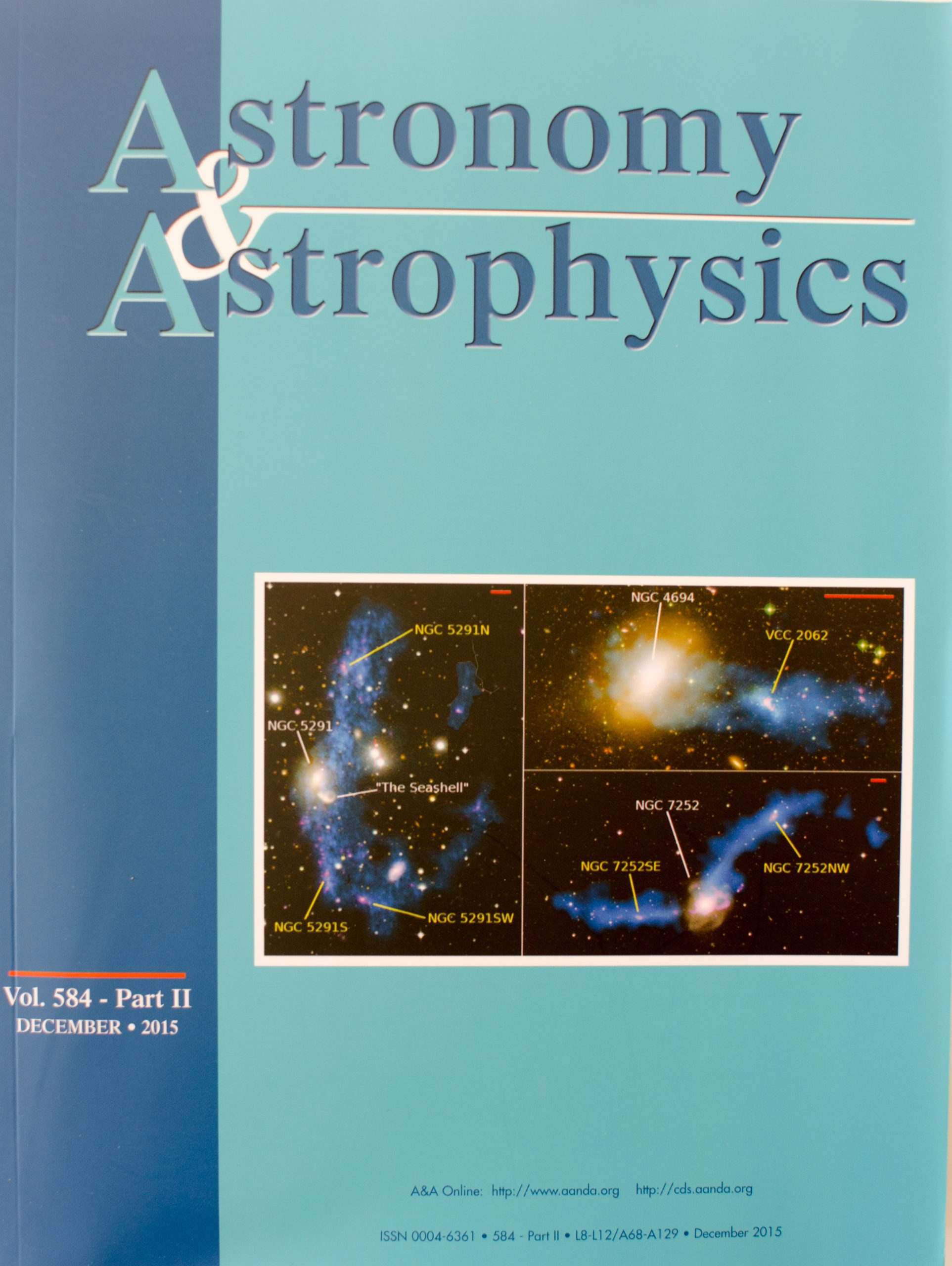
Astronomy & Astrophysics (A&A) is a prestigious, peer-reviewed scientific journal that has been at the forefront of astronomical research since its inception in 1969. It covers theoretical, observational, and instrumental astronomy and astrophysics, making it a key resource for scientists, researchers, and academics in the field. The journal is published by EDP Sciences on behalf of the European Southern Observatory (ESO), and it has become one of the most widely recognized journals in astronomy.
History and Origins
The journal was created in response to the fragmented nature of European astronomy journals in the 1960s. Astronomers from several European countries recognized the need for a common platform to disseminate research, leading to the formation of Astronomy & Astrophysics. The journal’s initial mission was to merge several national journals, such as the Annales d’Astrophysique (France) and Zeitschrift für Astrophysik (Germany), into one comprehensive European publication.
On January 8, 1969, the first issue of A&A was released, marking the beginning of a new era in scientific publishing for European astronomy. The journal’s establishment was formalized with the creation of a Board of Directors consisting of prominent astronomers from various countries, with the European Southern Observatory (ESO) playing a central administrative role.
21st Century Developments and Open Access
The journal has continuously evolved over the years to meet the demands of the growing field of astronomy. In the early 2000s, EDP Sciences took over publishing duties, expanding the journal’s global reach. In 2001, A&A shifted to include English language editing, further increasing its accessibility to a wider audience.
In 2022, A&A transitioned to a full open access model under the Subscribe to Open (S2O) scheme. This model allows readers to access all articles without cost, making cutting-edge research in astronomy and astrophysics freely available to the global scientific community.
Scientific Impact and Editorial Structure
With an impact factor of 5.4 in 2023, Astronomy & Astrophysics maintains its status as one of the top journals in the field. It regularly features articles that cover a broad range of topics, from star formation and galaxies to cosmology and space instrumentation. The journal’s editorial team, currently led by Thierry Forveille and João Alves, ensures that the research published is of the highest quality and relevance.
Special Issues and Surveys
A&A is known for its Special Issues, which focus on the results of major astronomical surveys and space missions. These issues feature comprehensive research from missions such as XMM-Newton, Planck, Rosetta, and Gaia, highlighting their importance in shaping our understanding of the universe.
Global Involvement and Sponsoring Countries
Although initially a European publication, Astronomy & Astrophysics has expanded globally. Today, the journal includes contributions from astronomers around the world, with Argentina becoming the first non-European country to join as a full member in 2005. Other countries, including Brazil, Chile, and China, have followed suit, enhancing the journal’s diversity and global impact.
Scientific Writing School
A&A also plays an educational role by organizing Scientific Writing Schools for postgraduate students and young researchers. These schools aim to teach scientists how to effectively communicate their findings and research through clear, well-structured scientific writing.
Conclusion
Astronomy & Astrophysics is a vital resource for advancing the field of astronomy and astrophysics. Its continued evolution, commitment to open access, and global collaboration ensure that it remains a cornerstone of astronomical research. As the field progresses, A&A’s role in disseminating high-quality, impactful research will only grow in importance.


