


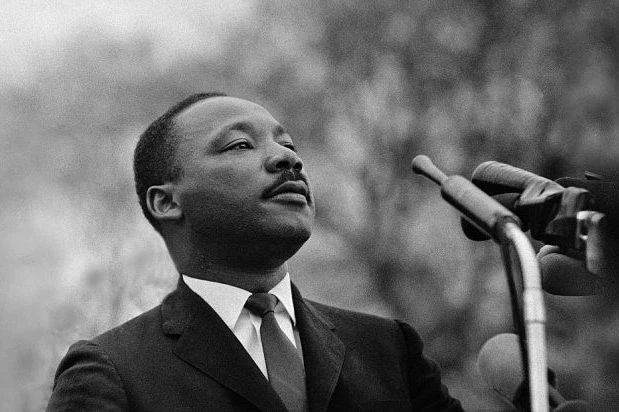
Throughout history, assassination has been the ultimate act of silencing a threat, whether political, religious, or ideological. 50 Assassinations That Changed the World: A History of Death, Power, and Consequence. From royal conspiracies to public executions, from ancient courts to modern battlefields, assassins have struck to shift power, disrupt order, and incite revolution. These 50 famous assassinations didn’t just end lives—they reshaped nations, rewrote laws, and redirected the flow of history.
Ancient Bloodshed: Power by the Sword
- Julius Caesar (44 BC) – Stabbed 23 times by Roman senators fearing tyranny, Caesar’s death triggered a civil war and ended the Roman Republic.
- Pompey the Great (48 BC) – Betrayed and stabbed by Egyptian allies seeking Caesar’s favor.
- Philip II of Macedon (336 BC) – Assassinated by a former lover; his death paved the way for Alexander the Great.
- Caligula (AD 41) – The sadistic Roman emperor was butchered by his own guards.
- Agrippina the Younger (AD 59) – Mother of Nero, killed by her son in a political purge.
- Umar (644) – The second Muslim caliph was fatally stabbed by a Persian slave during morning prayers.
- Queen Jezebel (9th century BC) – Thrown from a window and trampled by horses on orders from a usurper.
- Ramesses III (1155 BC) – Egypt’s pharaoh had his throat slit by palace conspirators.
Royal Betrayals and Empire Intrigue
- Thomas Becket (1170) – Archbishop of Canterbury hacked down by knights after a royal outburst from King Henry II.
- Nikephoros II Phokas (969) – Byzantine emperor killed in bed by his nephew, disguised as a woman.
- Empress Myeongseong (1895) – Korean queen murdered by Japanese loyalists and her body burned in a forest.
- Henry IV of France (1610) – Stabbed by a Catholic fanatic over his religious tolerance.
- James I of Scotland (1437) – Slain in a monastery by rival claimants during a dynastic dispute.
- Spencer Perceval (1812) – Only British prime minister assassinated in office, shot in parliament’s lobby.
Rebels, Rulers, and Revolutionaries
- Franz Ferdinand (1914) – His Sarajevo shooting sparked World War I, killing millions across continents.
- Leon Trotsky (1940) – Struck with an ice pick in Mexico by a Soviet agent, silencing Stalin’s greatest critic.
- Indira Gandhi (1984) – Killed by her own bodyguards in retaliation for a deadly crackdown on Sikh separatists.
- Rajiv Gandhi (1991) – Murdered by a suicide bomber from the Tamil Tigers.
- Sheikh Mujibur Rahman (1975) – The father of Bangladesh was slain in a military coup, destabilizing a new republic.
- Anwar Sadat (1981) – Gunned down during a military parade for making peace with Israel.
- Ngo Dinh Diem (1963) – Executed by his own military, with whispers of U.S. complicity.
- Alexander II of Russia (1881) – A liberalizing Tsar, blown up by revolutionaries known as the People’s Will.
- Reinhard Heydrich (1942) – Hitler’s right hand and architect of the Holocaust, ambushed in Prague.
- Osama Bin Laden (2011) – The world’s most wanted man, shot in a Navy SEAL raid in Pakistan.
Voices of Civil Rights and Cultural Icons
- Abraham Lincoln (1865) – Slain by Confederate sympathizer John Wilkes Booth just days after ending the Civil War.
- Martin Luther King Jr. (1968) – Shot on a Memphis balcony, his death fractured the civil rights movement.
- Malcolm X (1965) – Gunned down by Nation of Islam members after breaking with the group.
- Medgar Evers (1963) – Shot in his driveway for his role in desegregation efforts in Mississippi.
- Harvey Milk (1978) – America’s first openly gay elected official, killed in a political murder at San Francisco’s City Hall.
- John Lennon (1980) – Beatles legend gunned down by a deranged fan, shocking the world.
- Mahatma Gandhi (1948) – India’s apostle of peace, killed by a Hindu nationalist furious over Muslim reconciliation.
Modern Mayhem and Covert Killings
- Andrés Escobar (1994) – Colombian footballer executed after an own goal at the World Cup enraged betting syndicates.
- Alexander Litvinenko (2006) – Russian dissident poisoned with polonium in London by Kremlin-linked agents.
- Benazir Bhutto (2007) – Former Pakistani prime minister shot and bombed during a political rally.
- Robert F. Kennedy (1968) – Shot in Los Angeles while campaigning for president.
- John F. Kennedy (1963) – His televised assassination in Dallas remains one of the most scrutinized murders in modern history.
- Isoroku Yamamoto (1943) – Japanese admiral ambushed in midair by American forces after being targeted by Roosevelt.
- Umberto I of Italy (1900) – Executed by an anarchist for supporting violent crackdowns on protesters.
- Pancho Villa (1923) – The Mexican revolutionary ambushed in his car, possibly for plotting a political return.
- Giuliano de’ Medici (1478) – Slain at Easter Mass in a failed coup against Florence’s ruling family.
Myth, Legend, and Empire Downfalls
- Attila the Hun (c. 453) – Died mysteriously on his wedding night—perhaps poisoned, perhaps betrayed by Rome.
- Rasputin (1916) – Poisoned, shot, and drowned before finally dying, the mystic held sway over the Russian royal court.
- Peter of Verona (1252) – Catholic preacher axed by Cathars; legend says he wrote “Credo” in his blood.
- Pontiac (1769) – Native American resistance leader, murdered by his own for allegedly betraying their cause.
- Caligula (AD 41) – Rome’s mad emperor butchered after alienating allies and guards alike.
Assassins Turned Martyrs—or Monsters
- Jezebel (9th century BC) – Biblical villainess thrown from a window and trampled by horses.
- Thomas Becket (1170) – Killed by four knights who misunderstood King Henry II’s frustrations.
- Philip II of Macedon (336 BC) – His killing set the stage for Alexander the Great’s empire.
- James A. Garfield (1881) – U.S. president shot by a delusional office seeker; died months later from infections.
- Vaclav I (935) – Later Saint Wenceslas, murdered by his own brother—remembered in carols for a saintly life.
The Legacy of Assassination
These assassinations reveal more than just acts of violence—they expose human ambition, ideological zeal, political desperation, and deep systemic conflict. Each victim’s death sent ripples through history, redefining nations, igniting wars, ending eras, or even creating martyrs that outshone their assassins. In the cold calculus of power, assassins often aim to control history. But as these 50 chilling cases show, the consequences are rarely predictable—and never bloodless.


