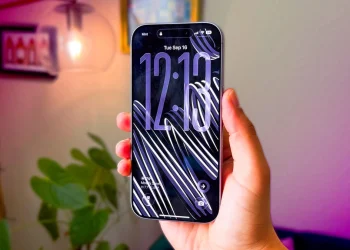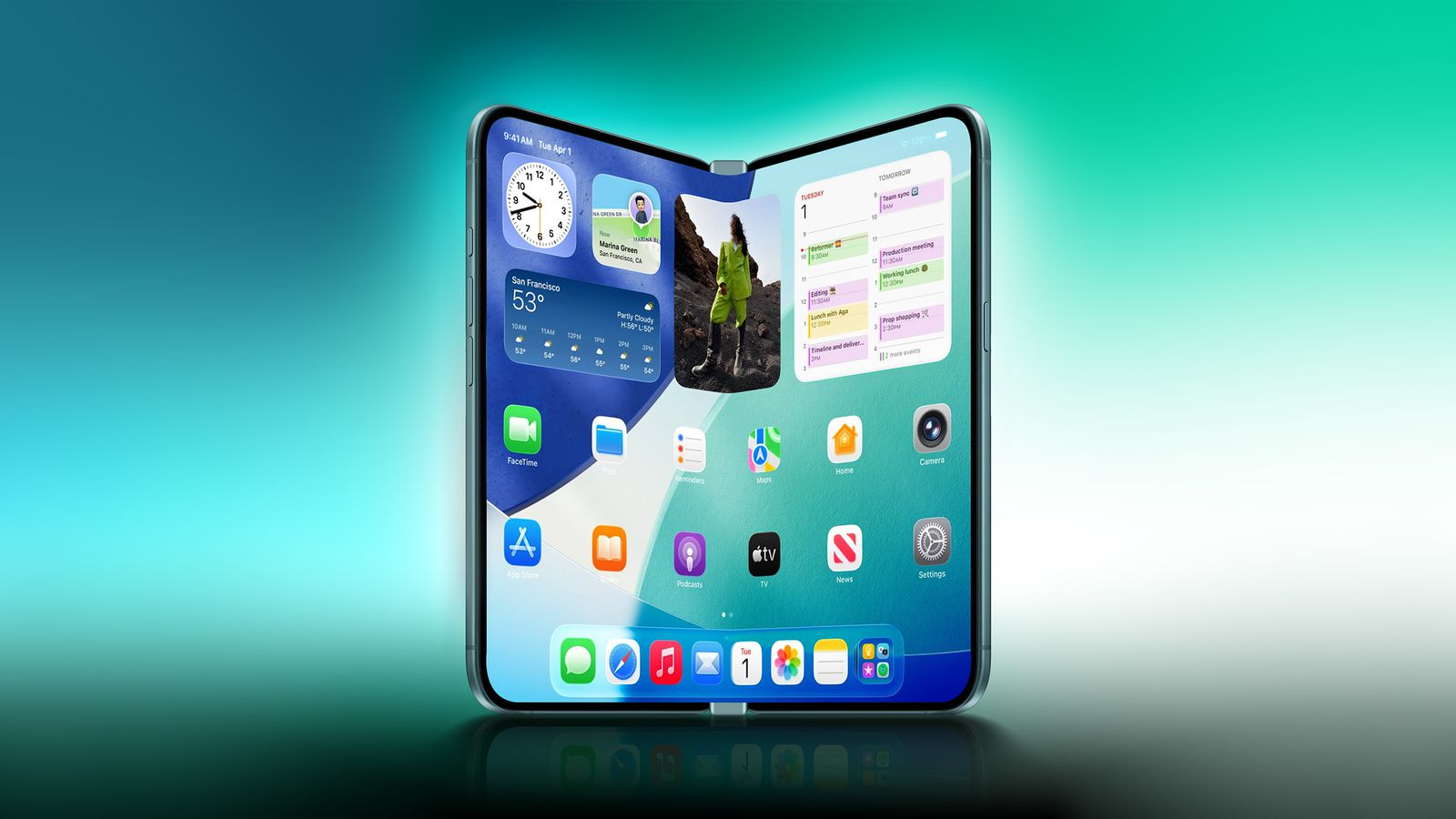
Apple’s foldable iPhone could serve as the company’s testing ground for groundbreaking under-screen camera technology. According to recent leaks, Apple plans to debut this innovation in its foldable iPhone, setting the stage for a fully bezel-less design in the 2027 iPhone. This gradual rollout will first focus on integrating Face ID under the display, followed by the selfie camera, culminating in a truly uninterrupted screen experience.
Testing Under-Screen Technology with the Foldable iPhone
Apple’s ambitious goal is to eliminate the visible cutouts for the front camera, giving users a more immersive, all-screen experience for activities like reading, watching videos, and gaming. According to Digital Chat Station, Apple will initially test an under-screen version of its Face ID system, which could reduce the size of the Dynamic Island on future Pro models. This move would be followed by placing the selfie camera under the screen in the foldable iPhone.
The Rollout Plan: Face ID First, Then the Camera
The plan is a two-step process:
- Face ID Under the Screen: Apple reportedly aims to move Face ID’s infrared sensors through a “spliced micro-transparent glass” area within the display. This would allow Face ID to function while the rest of the display remains uninterrupted. This technology could work well because Face ID sensors handle some interference better than selfie cameras, which can suffer from reduced image quality when placed behind the screen.
- Selfie Camera Under the Screen: If Face ID proves successful, the foldable iPhone will feature an under-display 24-megapixel selfie camera for photo and video use. Apple’s use of a six-element plastic lens could help achieve higher image quality compared to existing under-display cameras on Android devices, which typically use lower-resolution sensors due to the image-blocking nature of displays.
What the Foldable iPhone Could Do Differently for Security
Unlike previous iPhones, the foldable iPhone may use Touch ID in the side button for security, rather than relying on Face ID. Due to the complex design of foldable phones, which include hinges and multiple display layers, Face ID might not be practical for the foldable’s compact form factor. Users would unlock the device with their fingerprint, while the under-screen camera would primarily be used for photos and calls.
Looking Ahead: A Fully Bezel-Less iPhone in 2027
Apple’s long-term vision for the iPhone is a completely bezel-less design, and the 2027 iPhone is expected to reflect this goal. The device could feature a curved glass display that wraps around all four edges, pushing the “single slab of glass” design to its limits. If the under-screen camera and Face ID technologies mature quickly enough in the foldable iPhone, the 2027 iPhone could be the first to showcase a truly seamless, all-screen front.
What to Watch Next
If these reports hold true, keep an eye on these developments:
- Smaller Cutouts: Future Pro iPhones could feature smaller cutouts as Face ID hardware moves under the display.
- Foldable iPhone with Hidden Camera: The foldable iPhone will likely be Apple’s first visible test of the under-screen camera technology.
- 2027 iPhone with No Front Cutout: If both technologies mature in time, the 2027 iPhone could debut a completely uninterrupted screen.
Apple has long chased the idea of a completely all-screen iPhone. If these rumors are accurate, the company is planning to take a measured, multi-stage approach to bring this vision to life.