


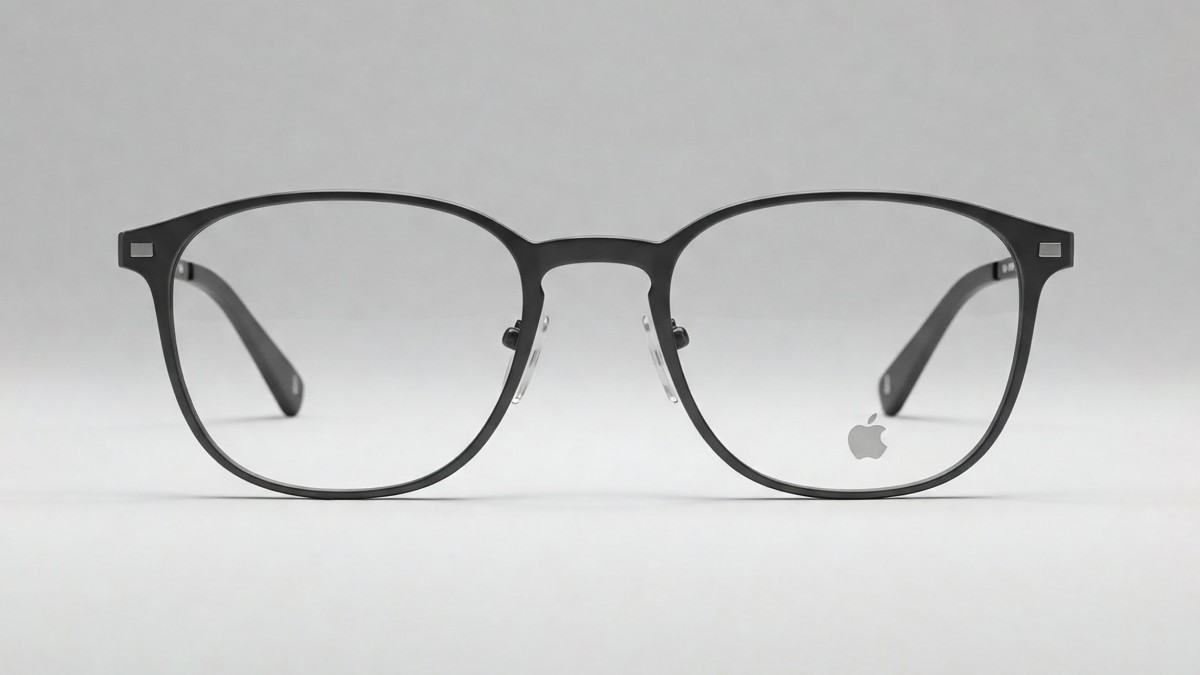
Apple is shifting its focus from the Vision Air project to its highly anticipated smart glasses initiative, according to a new report from Bloomberg. Initially, analyst Ming-Chi Kuo had reported that Apple was preparing a more affordable and lightweight version of the Vision Pro, known as the Vision Air, with a planned launch in 2027. However, Apple has decided to pause development on the Vision Air and expedite the release of its smart glasses to compete directly with Meta’s Ray-Ban products.
Apple’s Shift to Smart Glasses
The decision to move away from the Vision Air development aligns with Apple’s strategy to accelerate its entry into the smart glasses market. Bloomberg claims that Apple has started transitioning engineers from the Vision Air project to work on the smart glasses prototype, aiming to have these devices ready earlier than initially expected.
Timeline and Features of the Smart Glasses
Originally, Apple’s smart glasses were supposed to enter mass production in Q2 2027, but now the timeline has been moved up, and they are expected to hit production by Q2 2026. These first-generation smart glasses are expected to feature a sleek design with several material finishes for the temples and frames, but without a built-in display. Instead, they will incorporate Apple Intelligence, utilizing multiple cameras to provide Visual Intelligence features such as facial recognition and real-time image processing.
XR Glasses to Follow
In addition to the smart glasses, Apple is also working on more advanced extended reality (XR) glasses with liquid crystal on silicon (LCoS) displays, which are expected to enter mass production in Q2 2028. These XR glasses will likely include voice controls and gesture recognition features, offering a more immersive experience compared to the smart glasses.
Impact on Apple’s Wearables Strategy
This pivot indicates that Apple is accelerating its efforts to establish a strong presence in the wearable tech market, particularly in the augmented reality (AR) and mixed reality (MR) spaces. The smart glasses will likely integrate with Apple’s ecosystem, offering seamless connectivity with devices like the iPhone, iPad, and Mac.
Although the Vision Air was expected to be a more budget-friendly option compared to the Vision Pro, the pivot to smart glasses suggests Apple is prioritizing the wearables market and is focusing on products that will resonate with a broader consumer base.
Conclusion
Apple’s decision to pause development of the Vision Air and focus on smart glasses marks a strategic shift that could position the company as a major player in the emerging AR and XR wearable market. With competing products like Meta’s Ray-Ban Stories already on the market, Apple’s smart glasses will face stiff competition, but their integration with Apple’s ecosystem and AI-powered features could give them a significant edge.
Disclaimer: The information shared in this article is based on Bloomberg’s reports and official announcements as of October 2025. Details about the Vision Air and smart glasses could change as new information becomes available.


