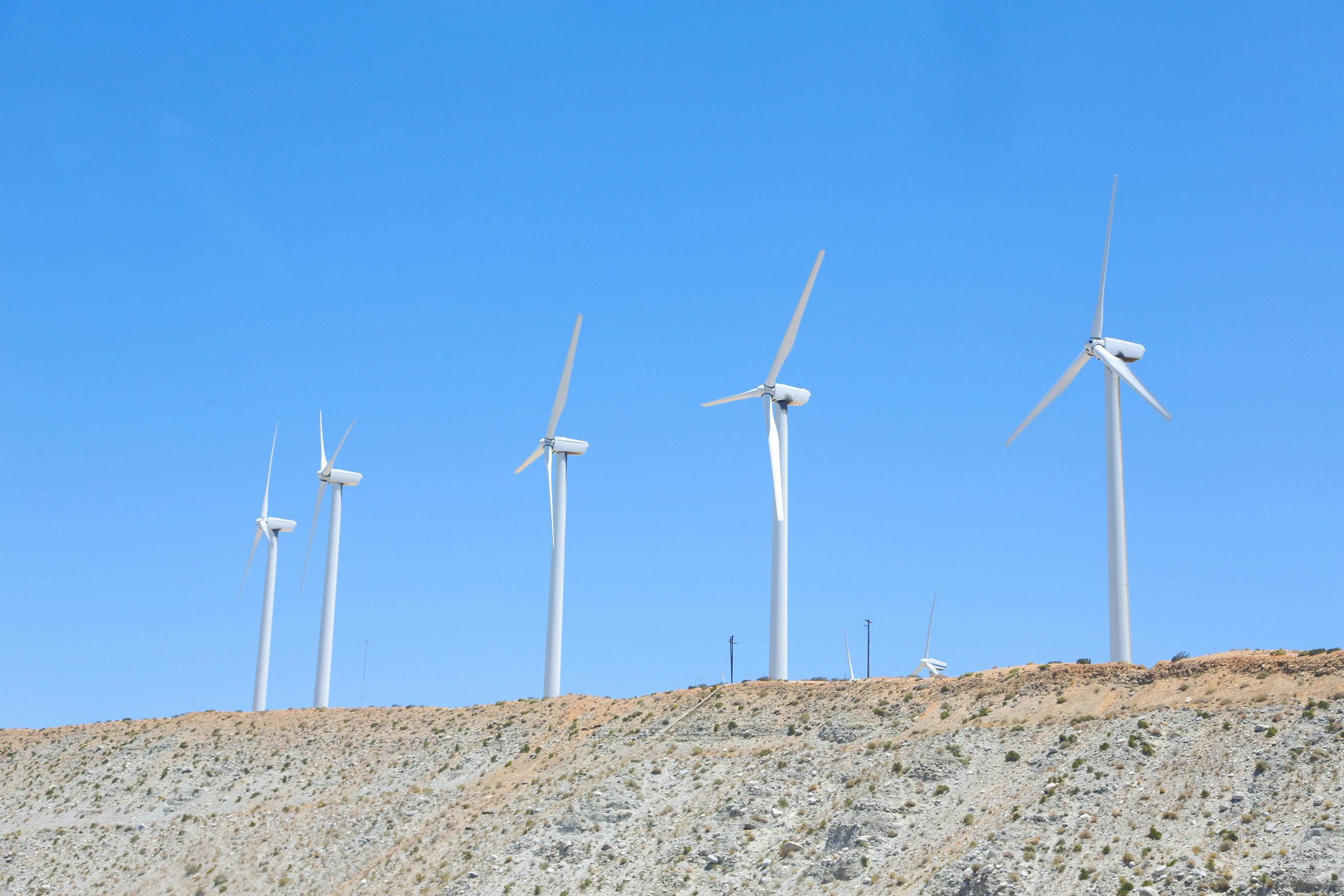
As the world shifts toward sustainable energy, one truth has become increasingly clear: the future of clean power lies not only in advanced technologies but also in understanding and using the natural systems that already sustain the planet. From groundwater and geothermal heat to wind, solar, and hydrological cycles, the Earth itself provides a blueprint for a renewable future. Harnessing these forces requires more than good intentions; it demands strategy, engineering expertise, and a commitment to balance environmental preservation with human progress.
This guide explores how civil engineers, environmental planners, and energy specialists can integrate natural systems into the foundation of a cleaner energy future, turning the planet’s inherent strengths into long-term sustainability.
Step 1: Identify and Analyse Local Natural Resources
The first step in harnessing natural systems is understanding what resources are available locally and how they behave. Engineers begin by conducting in-depth studies of regional geology, hydrology, and weather patterns to identify opportunities.
- Solar resources are measured using radiation maps and topographical assessments.
- Wind potential is calculated through data on speed, turbulence, and seasonal variation.
- Geothermal systems depend on the temperature gradient beneath the surface and the thermal conductivity of local rock formations.
- Groundwater and hydrological systems are analysed for flow rate, pressure, and recharge potential.
This data informs not just where to build, but how to build. For instance, placing solar panels on land that already supports vegetation or drilling wells that safeguard aquifers can reduce the ecological impact of development.
Step 2: Design Integrated Energy Systems
No single renewable energy source can meet every demand. The most sustainable energy futures will come from integrated systems that blend multiple natural sources to complement one another.
Solar and wind energy, for example, often operate on different schedules. Solar peaks during the day, while wind often strengthens at night. Combining the two can balance power supply throughout the day. Similarly, geothermal or hydropower can serve as baseload energy, providing consistent output while variable sources fluctuate.
Engineers also look to subsurface innovation as a stabilising force in this mix. Technologies like geothermal loops and advanced well systems not only provide clean heat and power but also play a vital role in sustainable water and energy management. Collaboration with experts such as Crabtree Drilling ensures the precision and safety needed when working deep underground, protecting natural water reserves while delivering reliable, renewable energy solutions.
Step 3: Implement Smart Water and Energy Management
Water is the thread that connects almost every form of energy production. Hydropower directly converts water flow into energy, geothermal relies on circulating fluids to transfer heat, and even solar and wind installations depend on water for cleaning and maintenance.
Efficient water use is therefore essential to achieving sustainability. Modern systems incorporate technologies that recycle or recapture water, use low-flow cooling systems, and manage runoff to reduce pollution. Groundwater extraction and well drilling are now guided by data-driven monitoring that tracks usage and ensures replenishment over time.
When energy and water systems are designed together, efficiency improves across the board. Engineers can design closed-loop systems that reuse thermal or mechanical energy, reducing both emissions and waste.
Step 4: Apply Sustainable Engineering and Material Practices
Harnessing natural systems for energy requires infrastructure, but the materials and methods used in that infrastructure determine how “clean” it truly is. Sustainable engineering prioritises durability, recyclability, and minimal environmental disturbance.
For example, the use of low-carbon concrete, recycled metals, and modular construction helps reduce the overall footprint of renewable projects. Site planning can also support sustainability, placing solar panels above agricultural land (agrovoltaics) or integrating wind turbines into existing industrial zones minimises land-use conflicts.
Subsurface design, too, must be handled with precision. Engineers must consider soil composition, groundwater flow, and geological stability when designing drilling systems or geothermal loops to ensure the long-term integrity of both the structure and the ecosystem.
Step 5: Integrate Digital Systems for Efficiency and Monitoring
The future of sustainability is intelligent. Sensors, automation, and real-time analytics now play a crucial role in optimising how natural systems are used. Smart grids balance energy loads automatically, while digital monitoring in well and geothermal systems can detect changes in flow or pressure, preventing damage before it occurs.
AI-driven models help predict weather patterns and adjust renewable outputs accordingly. These systems make it possible to maintain efficiency even as natural conditions shift, turning unpredictable elements like wind and sunlight into manageable, reliable energy sources.
For groundwater and subsurface management, digital monitoring provides added security. By tracking water levels, temperature, and quality in real time, operators ensure that the natural environment remains healthy while energy production continues uninterrupted.
Step 6: Build for Longevity and Environmental Balance
Clean energy is not just about production; it’s about stewardship. The final step in harnessing natural systems is ensuring that every project supports environmental regeneration rather than degradation.
This means designing for long-term adaptability, allowing for upgrades as technology evolves and ecosystems recover. It also means investing in maintenance and rehabilitation programs that keep wells, turbines, and solar panels functioning efficiently without unnecessary replacements.
Building a Sustainable Legacy
Harnessing natural systems for cleaner energy is as much about philosophy as it is about engineering. It challenges us to rethink how we build, plan, and consume. The most successful future energy projects will be those that unite human innovation with natural intelligence, where design reflects an understanding of geology, hydrology, and ecology as much as it does technology.
By studying the earth beneath our feet and the forces that shape it, we can build systems that not only meet today’s needs but also protect tomorrow’s world. From precision well drilling and geothermal engineering to smart grids and hybrid renewable networks, the path forward is clear: sustainability begins with working in rhythm with the planet itself.