


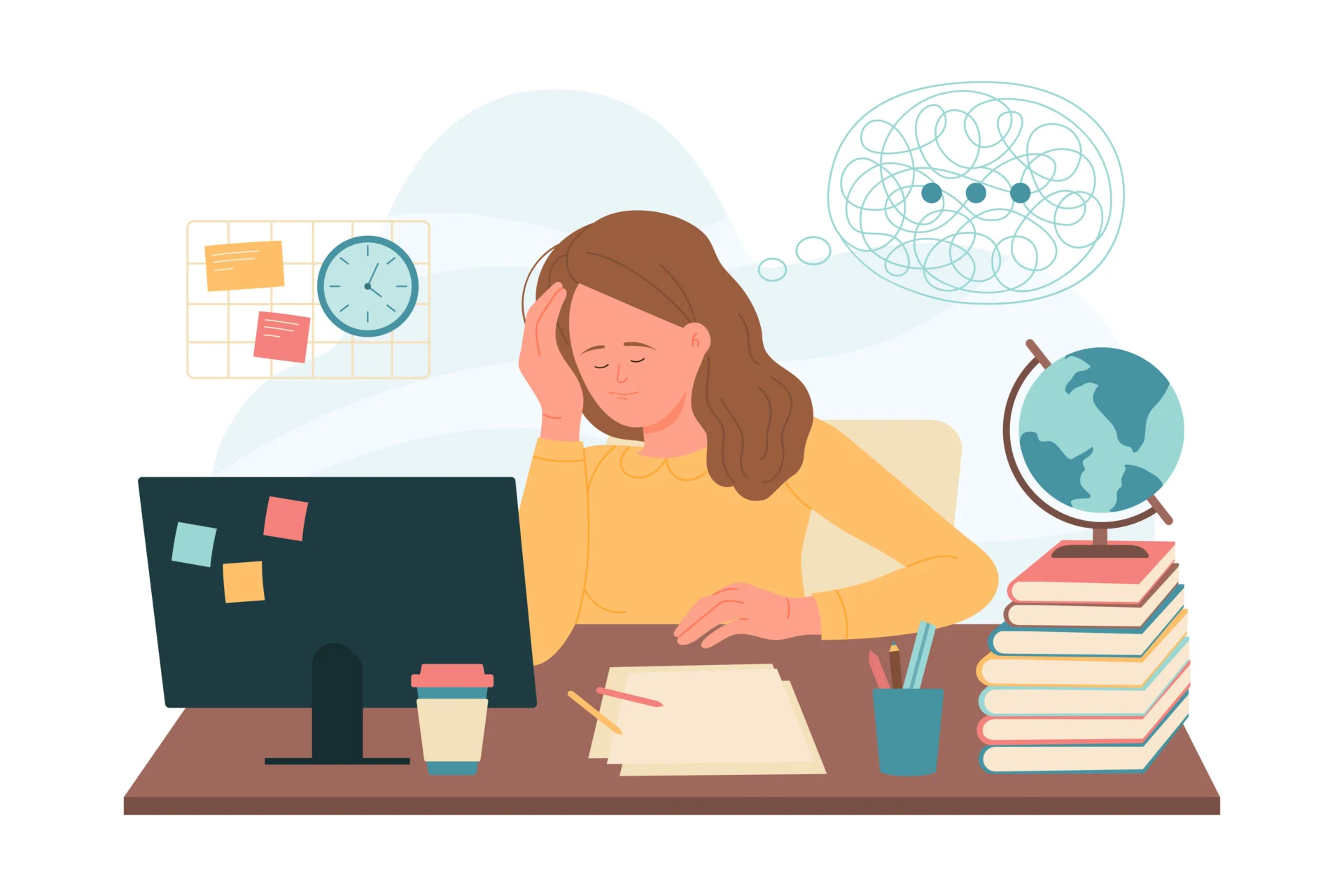
While Attention Deficit Hyperactivity Disorder (ADHD) is often associated with childhood, many individuals continue to experience its symptoms well into adulthood—or are diagnosed for the first time as adults. Recognizing ADHD in adults and treatment options is essential for managing its impact on work, relationships, memory, and emotional regulation. Adults with ADHD often struggle with time management, forgetfulness, impulsivity, and focus, yet may not realize that these challenges are rooted in a neurological condition.
Diagnosis can be life-changing, offering clarity and access to effective treatment strategies. Today, a wide range of interventions exist—from stimulant and non-stimulant medications to cognitive behavioral therapy, coaching, and lifestyle changes—that help individuals gain control over their symptoms. Understanding the full spectrum of ADHD in adults and treatment options empowers individuals to live more focused, productive, and emotionally balanced lives.
Common Symptoms of Adult ADHD
- Chronic disorganization
- Difficulty sustaining attention
- Forgetfulness in daily activities
- Impulsive decision-making
- Poor time management
- Frequent mood swings
- Difficulty starting or finishing tasks
Diagnosing ADHD in Adults
Diagnosis typically involves:
- Clinical interviews
- Behavioral questionnaires
- Symptom history (especially from childhood)
- Rule-outs for other mental health conditions
Treatment Options for Adult ADHD
1. Medications
- Stimulants: Such as Adderall (amphetamine) and Ritalin (methylphenidate)
- Non-stimulants: Like Atomoxetine (Strattera) or Guanfacine
- How They Help: Improve concentration, impulse control, and task completion
2. Cognitive Behavioral Therapy (CBT)
- Helps manage negative thought patterns and teaches coping strategies
- Often used alongside medication
3. Coaching and Time Management Tools
- ADHD coaches specialize in building productivity habits
- Apps and planners can reinforce scheduling and reminders
4. Mindfulness and Meditation
- Enhances self-awareness and reduces emotional reactivity
- Proven to improve attention span and reduce anxiety
5. Diet and Exercise
- Regular aerobic exercise improves focus and mood
- Balanced nutrition supports brain function
Final Thoughts
Understanding ADHD in adults and treatment options opens the door to a more manageable, empowered life. While the journey to diagnosis and treatment can be complex, the results are often transformative. With the right combination of medical care, therapy, and practical strategies, adults with ADHD can thrive in both personal and professional settings.


