


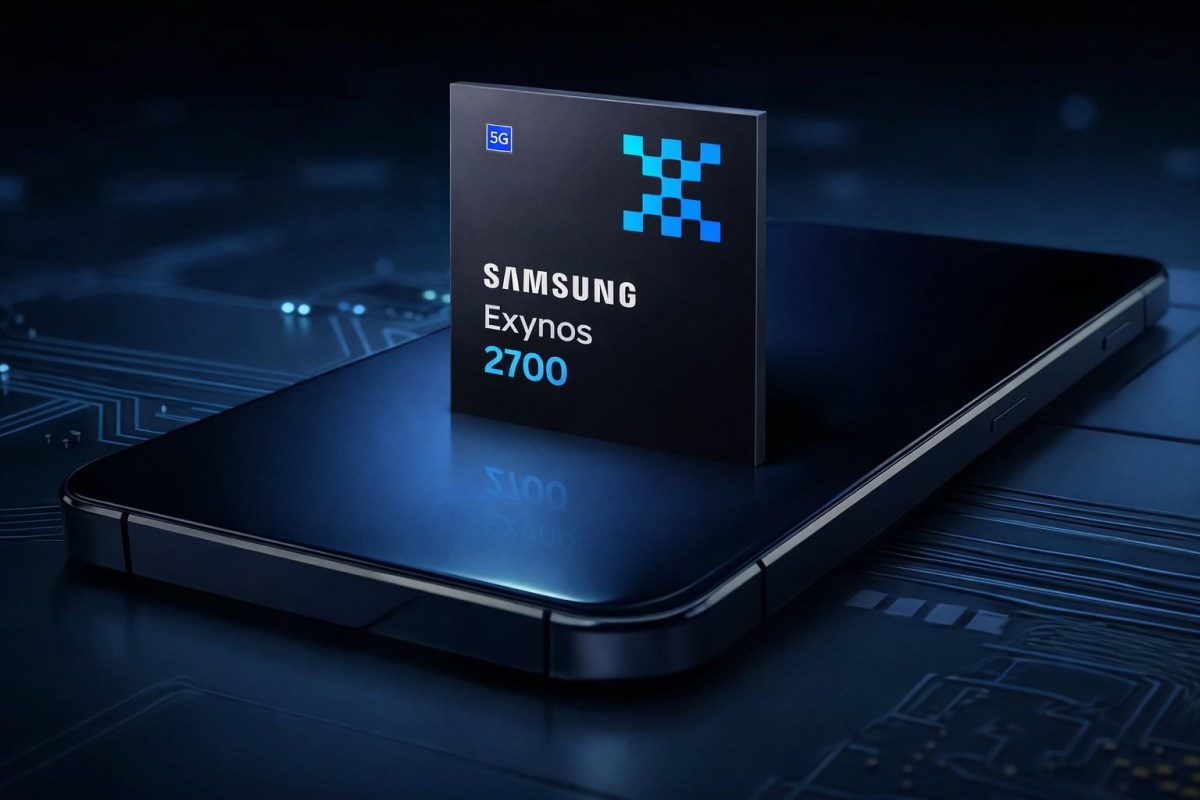
Samsung Electronics is reportedly preparing a major packaging redesign for its next-generation Exynos 2700 chipset, which is expected to power parts of the future Galaxy S27 smartphone lineup.
According to industry reports, Samsung plans to abandon Fan-Out Wafer-Level Packaging (FOWLP) technology for the Exynos 2700 and instead adopt a new Side-by-Side (SbS) packaging architecture.
The move could significantly influence thermal performance, manufacturing costs and energy efficiency for Samsung’s next flagship mobile processor generation.
The Exynos 2700 is widely expected to appear inside the Samsung Galaxy S27 and Galaxy S27+ models when they launch in early 2027.
Read Also: Samsung Galaxy A57 Appears on Geekbench With Exynos 1680
Exynos 2700 Could Replace FOWLP Packaging
Samsung has used Fan-Out Wafer-Level Packaging since the launch of the Exynos 2400 chipset.
FOWLP technology helped improve heat management and allowed thinner chip integration by reducing package size and enhancing electrical performance.
However, reports suggest the manufacturing process remained expensive and less profitable because of its technical complexity and production costs.
Industry analysts say advanced semiconductor packaging has become increasingly important as smartphone chips grow more powerful and thermally demanding.
Rather than focusing only on transistor scaling, chip manufacturers now optimize:
- Packaging structures
- Heat dissipation
- Memory integration
- Power delivery
- Thermal efficiency
Samsung’s reported shift away from FOWLP may therefore reflect both financial and engineering considerations.
Side-by-Side Design Changes Chip Structure
The reported replacement technology, called Side-by-Side packaging, changes how the application processor and memory components are physically arranged.
Under the SbS approach, the application processor and DRAM modules are positioned next to each other on the substrate rather than stacked vertically.
Analysts say this arrangement could improve thermal separation between components while simplifying parts of the manufacturing process.
The design may also help reduce overheating risks associated with increasingly powerful mobile processors and AI workloads.
Heat management has become one of the biggest challenges in flagship smartphone chip development because processors now handle:
- AI processing
- High-refresh gaming
- Advanced photography
- On-device machine learning
- 5G connectivity
all within extremely compact smartphone bodies.
Samsung May Add Heat Pass Block Technology
Reports also suggest Samsung plans to integrate Heat Pass Block (HPB) technology into the Exynos 2700 architecture.
HPB technology is reportedly designed to improve heat transfer and thermal distribution across the processor package.
Efficient heat dissipation remains critical because excessive temperatures can reduce:
- Performance stability
- Battery efficiency
- Gaming performance
- Long-term chip durability
Thermal throttling has become a major issue for many flagship smartphones as chip power consumption rises faster than physical cooling space.
Analysts say Samsung’s packaging redesign may therefore focus heavily on maintaining sustained performance under demanding workloads.
Read Also: Samsung Confirms Exynos 2600 as First-Ever 2nm Chipset
Exynos 2700 Likely Headed for Galaxy S27 Series
The Exynos 2700 is expected to power at least some regional versions of the Galaxy S27 and Galaxy S27+ smartphones scheduled for release in early 2027.
Samsung traditionally splits flagship Galaxy chipsets between:
- Exynos processors
- Qualcomm Snapdragon chips
depending on market regions.
Industry observers expect Samsung to continue using a dual-chip strategy unless Exynos performance closes the remaining gap with Qualcomm’s premium Snapdragon platforms.
The success of the Exynos 2700 could therefore become especially important for Samsung’s long-term semiconductor ambitions.
Samsung Continues Fighting for Semiconductor Independence
Samsung’s Exynos development efforts reflect broader industry competition around semiconductor self-reliance.
The company designs Exynos processors internally through its semiconductor division, allowing tighter integration between hardware and software ecosystems.
However, Exynos chips have historically faced criticism compared with Qualcomm Snapdragon processors in areas such as:
- Power efficiency
- GPU performance
- Heat management
- Sustained performance
Samsung has spent several generations attempting to improve Exynos competitiveness through architectural redesigns and manufacturing advancements.
The Exynos 2700 may therefore represent another major attempt to strengthen Samsung’s in-house chipset ecosystem.
AI and Thermal Demands Are Reshaping Smartphone Chips
The reported packaging redesign also highlights how artificial intelligence workloads are changing smartphone processor design priorities.
Modern flagship smartphones increasingly rely on on-device AI for:
- Photography enhancement
- Voice assistants
- Translation
- Productivity features
- Battery optimization
- Real-time image processing
Those AI operations require more processing power and generate additional thermal pressure.
Chip manufacturers are therefore exploring new cooling methods, packaging structures and power management systems to maintain performance without overheating.
Analysts say semiconductor packaging innovation may become as strategically important as raw processing performance over the next decade.
Samsung Faces Strong Competition in Flagship Chips
The Exynos 2700 will enter a highly competitive flagship chipset market dominated by companies including:
- Qualcomm
- MediaTek
- Apple
Qualcomm currently leads much of the premium Android market through its Snapdragon 8-series processors.
MediaTek has also gained significant ground in flagship Android devices through high-performance Dimensity chipsets.
Meanwhile, Apple continues maintaining strong vertical integration advantages through its custom A-series processors.
Samsung’s semiconductor division therefore faces intense pressure to improve Exynos competitiveness both technically and commercially.
Packaging Technology Becomes Industry Battleground
Advanced chip packaging is rapidly becoming one of the semiconductor industry’s most important innovation areas.
As transistor miniaturization becomes more difficult and expensive, manufacturers increasingly focus on:
- 3D stacking
- Thermal engineering
- Chiplet architectures
- Advanced memory integration
- Packaging efficiency
Analysts say smartphone chipmakers now view packaging design as a core differentiator affecting both performance and manufacturing economics.
Samsung’s reported move toward Side-by-Side packaging aligns with that broader industry shift.
Official Samsung Confirmation Still Missing
Samsung has not officially confirmed the Exynos 2700 packaging changes.
Most current information comes from industry supply chain reports and semiconductor insiders.
The company is also unlikely to reveal detailed chipset architecture publicly until closer to the Galaxy S27 launch cycle.
Analysts expect additional leaks and manufacturing reports to emerge throughout 2026 as development progresses.
Why This Matters
The Exynos 2700 packaging redesign highlights how smartphone chipmakers are increasingly focusing on thermal efficiency and manufacturing economics alongside raw performance.
The move also reflects Samsung’s ongoing effort to strengthen its Exynos platform against growing competition in the premium semiconductor market.
As AI workloads and mobile processing demands continue rising, advanced packaging technology may become one of the most important factors shaping future smartphone performance.
What Happens Next
Samsung is expected to continue development of the Exynos 2700 ahead of the Galaxy S27 series launch in early 2027.
Industry observers will closely watch whether the new Side-by-Side packaging approach successfully improves heat management, efficiency and sustained performance.
For Samsung, the Exynos 2700 could become a critical test of whether its semiconductor division can compete more aggressively against Qualcomm and other flagship chipmakers.


