


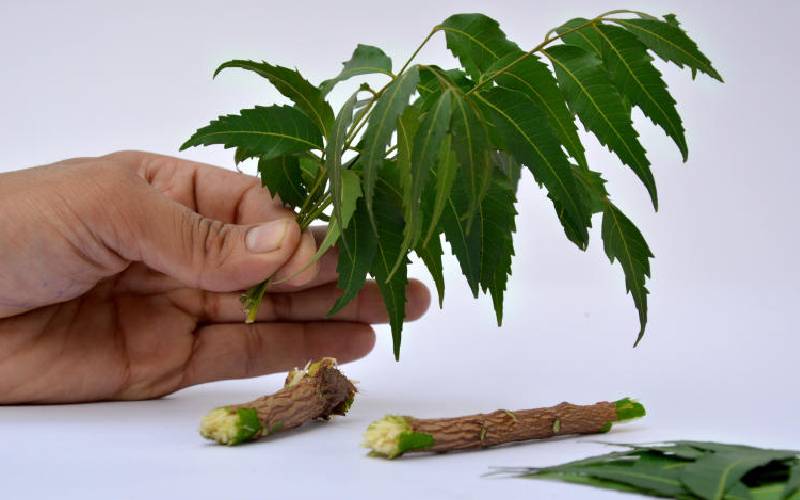
Mwarubaini: Kenya’s 40-Disease Healing Tree with Powerful Natural Benefits
Known by many names around the world — neem, Indian lilac, or Azadirachta indica — in Kenya, this revered herbal tree is simply called mwarubaini. Rooted in the Kiswahili word arubaini (meaning forty), mwarubaini has been traditionally believed to cure over 40 different ailments, earning it legendary status in African herbal medicine.
With its evergreen leaves, fragrant white flowers, and small yellow-green fruits, the mwarubaini tree thrives across Kenya — especially in the coastal town of Kilifi, where it is sometimes called Mkilifi. Towering up to 30 meters high, this hardy, drought-tolerant tree flourishes in tropical climates, making it ideal for Kenyan landscapes and communities.
Why Is Mwarubaini So Powerful?
Every part of the mwarubaini tree — leaves, bark, roots, seeds, and fruit — serves a medicinal purpose. Scientifically proven to have antibacterial, antifungal, and anti-inflammatory properties, it is used to treat:
- Malaria
- Typhoid
- Diabetes
- The common flu
- Stomach aches
- Skin conditions like acne and wounds
- Dental diseases
- Respiratory and urinary infections
In some traditional practices, mwarubaini has even been used for birth control due to its contraceptive properties.
How Mwarubaini Is Used
Preparation depends on the ailment:
- For external wounds: Fresh leaves are crushed into a paste and applied directly to the skin
- For internal issues: Bark, leaves, and fruit are boiled, then strained and consumed as a bitter herbal tonic
- For skin or oral issues: Oil derived from the seeds may be applied or used in therapeutic products
Beyond Human Use: Animal Care and Environmental Benefits
Mwarubaini isn’t just a human remedy — it’s a valuable asset in veterinary medicine too. Farmers use it to treat livestock ailments such as:
- Mastitis
- Horn fly infestations
It also plays a vital environmental role:
- Rejuvenates the soil and fights desertification
- Acts as a natural pesticide, protecting farms and homes from insects like weevils and moths
- Unlike chemical pesticides, mwarubaini doesn’t harm bees or butterflies, supporting healthy pollination
Farmers often place dried neem leaves around crops, in storage areas, or inside households to repel pests without using synthetic chemicals.
A Word of Caution
Despite its many benefits, dosage matters:
- Prolonged use in adults may damage the liver and kidneys
- Neem oil is dangerous for infants, and even small doses can be fatal
Always consult a health professional or herbalist when using mwarubaini as a treatment.
Have You Used Mwarubaini Before?
Whether for coughs, skin issues, or crop protection — mwarubaini continues to be a staple in Kenyan wellness and farming. Have you tried it? What did you use it for? Share your experience in the comments and help keep this powerful tradition alive.


