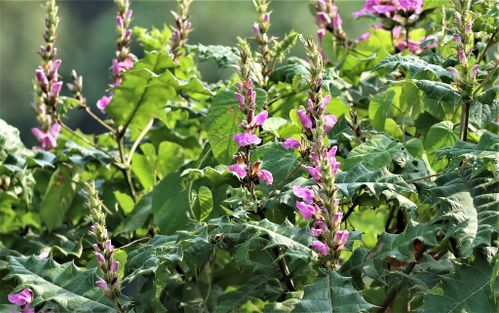
The use of Luhya traditional medicine remains deeply rooted within the cultural and healing practices of the Luyia community in western Kenya.
For generations, Luyia herbalists, healers and families have relied on medicinal plants, indigenous rituals and home-based healing systems to treat illnesses affecting both humans and domestic animals.
Traditional medicine among the Luyia is commonly referred to as:
- Amanyasi
- Amasambu
which broadly translates to herbs or medicinal plants.
Researchers studying indigenous African medicine note that herbal treatment systems existed across African societies long before the introduction of modern biomedical healthcare systems.
Among the Luyia, medicinal knowledge has historically been passed down through:
- Family inheritance
- Apprenticeship
- Community interaction
- Ritual initiation
The knowledge includes:
- Plant identification
- Herbal preparation
- Healing rituals
- Protective taboos
- Spiritual practices connected to healing
Indigenous Healing in Luyia Society
Traditional Luyia healing systems combine physical treatment with social, spiritual and environmental dimensions.
According to oral accounts documented in indigenous health studies, the healing process often involves:
- Herbal medicine
- Caregiving rituals
- Community support
- Dietary restrictions
- Moral expectations
Patients are traditionally expected to receive compassionate care while guardians avoid behaviors believed to interfere with healing.
The Luyia healing system also emphasizes:
- Rest
- Emotional support
- Family unity
- Protection from harmful influences
Traditional healers are often expected to observe strict rituals and behavioral restrictions while administering medicine.
Transmission of Herbal Knowledge
Herbal knowledge among the Luyia is often inherited within families.
Elders, herbalists and traditional healers teach younger generations:
- Identification of medicinal plants
- Preparation methods
- Dosage practices
- Ritual protocols
Women traditionally play a major role in domestic herbal treatment, especially for:
- Children
- Skin diseases
- Digestive illnesses
- Animal treatment
The knowledge is especially valued in emergency situations involving:
- Snake bites
- Insect bites
- Childhood illnesses
- Animal diseases
- Sudden infections
Traditional medicine also remains important because many rural communities continue facing:
- Poverty
- Limited healthcare access
- High medical costs
Major Luyia Traditional Herbs, Native Names and Scientific Names
Below is a detailed list of important Luyia medicinal herbs together with their native and scientific names, traditional uses and healing significance.
1. Likakha — Aloe Vera
Aloe vera is a succulent plant species of the genus Aloe. It is widely distributed, and is considered an invasive species in many world regions.
An evergreen perennial, it originates from the Arabian Peninsula, but also grows wild in tropical, semi-tropical, and arid climates around the world. It is cultivated commercially and has been used for centuries as a topical treatment. The species is considered attractive for decorative purposes, and is often used indoors as a potted plant.
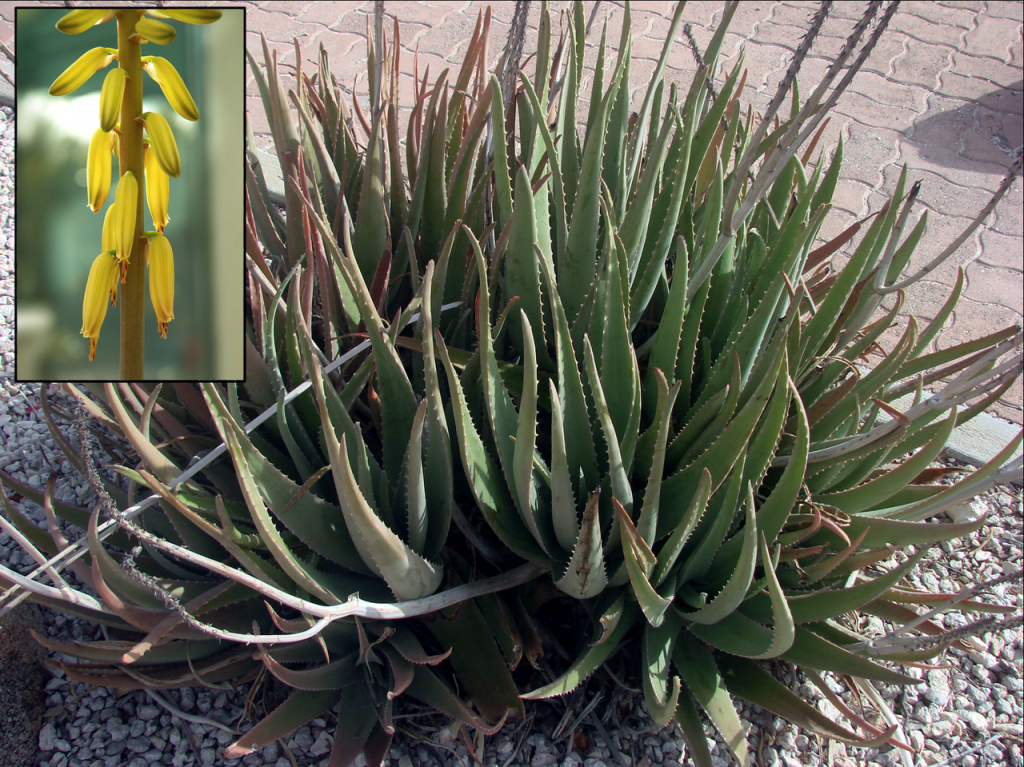
The leaves of Aloe vera contain significant amounts of the polysaccharide gel acemannan, which can be used for topical purposes.[7] The leaves also contain aloin, which is a toxic compound. Aloe vera products are typically made from the gel.
Native Name:
Likakha
Scientific Name:
Aloe vera
Traditional Uses:
Likakha is widely used among the Luyia for:
- Malaria treatment
- Skin rash treatment
- Stomach complications
- Poultry medicine
The plant is considered highly powerful but potentially toxic if misused.
The fleshy leaves are commonly processed into medicinal extracts.
2. Apacha — Warburgia salutaris
Warburgia salutaris (pepper-bark tree, Afrikaans: Peperbasboom, Sotho: Molaka, Venda: Mulanga, Zulu: Isibaha) is a species of tree in the family Canellaceae. It is found in eastern and southern African locations e.g. Botswana, Namibia, Kenya, Tanzania, Zambia, Mozambique, South Africa, Eswatini, Malawi and Zimbabwe. It is threatened by habitat loss. It is a popular medicinal plant and is overharvested in the wild, another reason for its endangerment. The Pepper-bark tree is a protected tree in South Africa. Various projects are investigating methods of propagation under controlled conditions with subsequent planting in the wild.
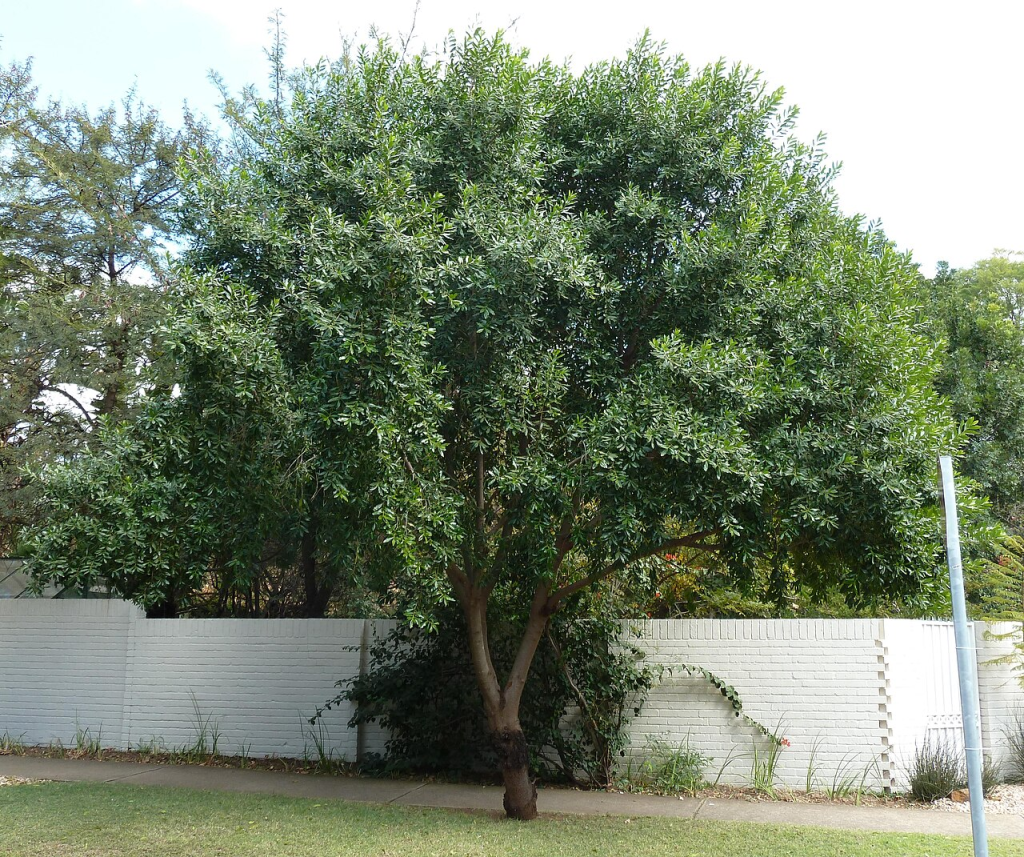
This plant is used medicinally by the Maasai people to treat malaria. It is used as a snuff or smoked for respiratory complaints such as common cold and cough. The bark can be purchased at markets in Tanzania,[6] and elsewhere. Moreover, “Dried bark is chewed and the juice swallowed, thus acting as remedy for stomach-ache, constipation, coughs, fever, toothache, muscle pains, weak joints, and general body pains.”
Native Name:
Apacha
Scientific Name:
Warburgia salutaris
Traditional Uses:
The bark is:
- Chewed directly
- Dried and powdered
- Mixed into tea
Used for:
- Stomach ache
- Constipation
- Fever
- Coughs
- Toothache
- Muscle pain
- Joint pain
The plant is known for its intensely bitter medicinal properties.
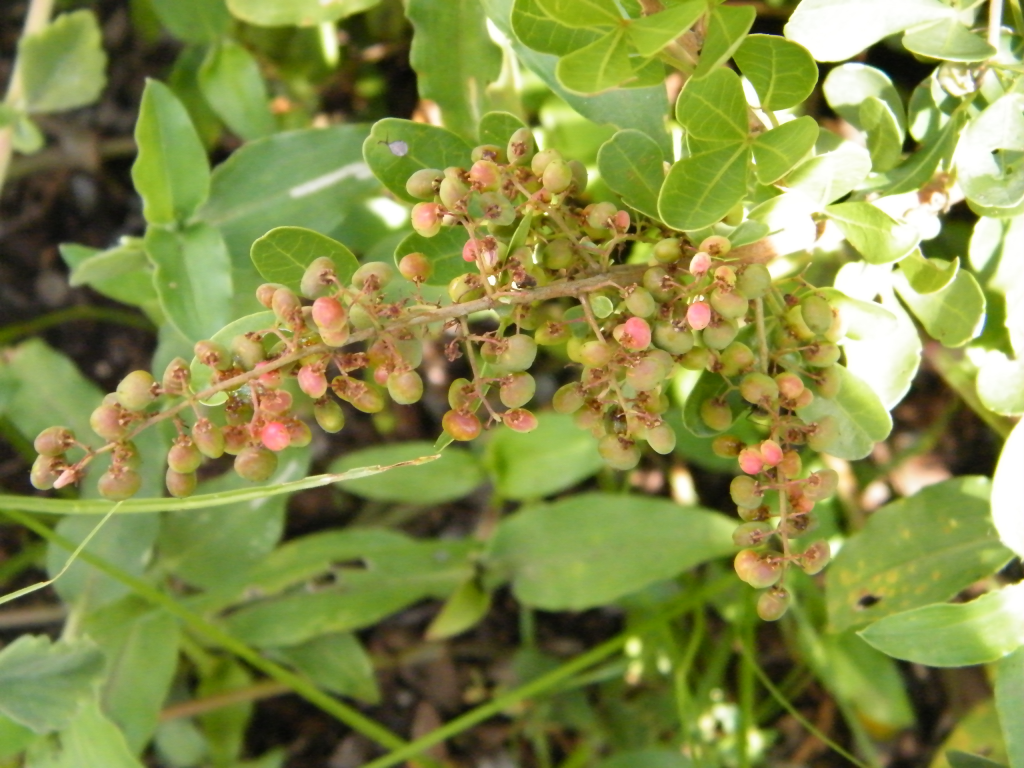
3. Busangula — Rhus natalensis
Rhus natalensis (also known as Searsia natalensis or Natal Rhus/Dune Karee) is a highly adaptable, small to medium-sized African tree or shrub (2–8m) widespread from Guinea to Somalia and South Africa. It is recognized for its three-leaflet foliage, red edible fruits, and rapid growth in diverse habitats (0-3,000m). It is widely used in traditional medicine, for fuel, and as a medicinal toothbrush.
Native Name:
Busangula
Scientific Name:
Rhus natalensis
Traditional Uses:
Roots are soaked in water and consumed to treat:
- Influenza
- Gonorrhea
- Abdominal pain
- Hookworm
Leaves are also inhaled for:
- Common colds
4. Esilokha — Ocimum kilimandscharicum
Ocimum kilimandscharicum, also known as camphor basil,[2] is a basil species native to Kenya, Tanzania, Uganda, Sudan, and Ethiopia
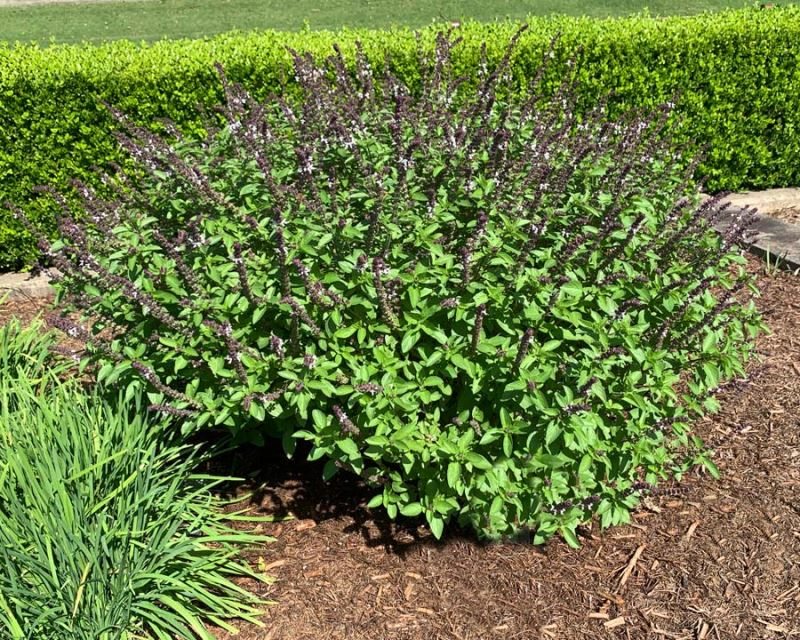
Native Name:
Esilokha
Scientific Name:
Ocimum kilimandscharicum
Traditional Uses:
Leaves are boiled and inhaled to treat:
- Severe colds
- Respiratory congestion
Warm herbal extracts are also consumed for:
- Abdominal pain
The plant is strongly aromatic and commonly used in East African herbal medicine.
5. Esimenenwa — Lantana trifolia
Lantana trifolia, commonly known as the threeleaf shrubverbena, three-leaved lantana, or lavender popcorn, is an upright, evergreen perennial shrub belonging to the Verbenaceae family. While it is a relative of the more ubiquitous Lantana camara, this species is highly distinct due to the way its leaves arrange in whorls of three and the unique, elongated spikes of bright purple or lavender fruits it produces after flowering. [1, 2, 3]
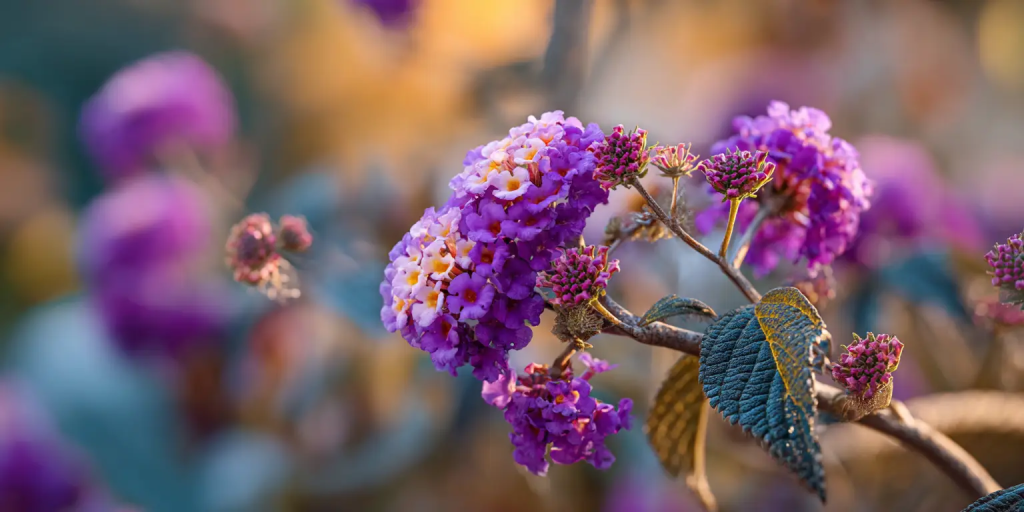
Native Name:
Esimenenwa
Scientific Name:
Lantana trifolia
Traditional Uses:
Used to treat:
- Rheumatism
- Eye conditions
- Indigestion
- Liver diseases
Leaves are crushed and applied to painful eyes.
6. Iminti — Cassia occidentalis
Senna occidentalis, commonly known as coffee senna, styptic weed, or septicweed, is a species of flowering plant in the family Fabaceae and is native to the southern United States of America, Mexico and South America. It is a shrub with pinnate leaves, with three to seven pairs of broadly elliptic to egg-shaped leaflets, and yellow flowers arranged in groups of two to four, with six fertile stamens in each flower. It is an aggressive, pantropical weed.
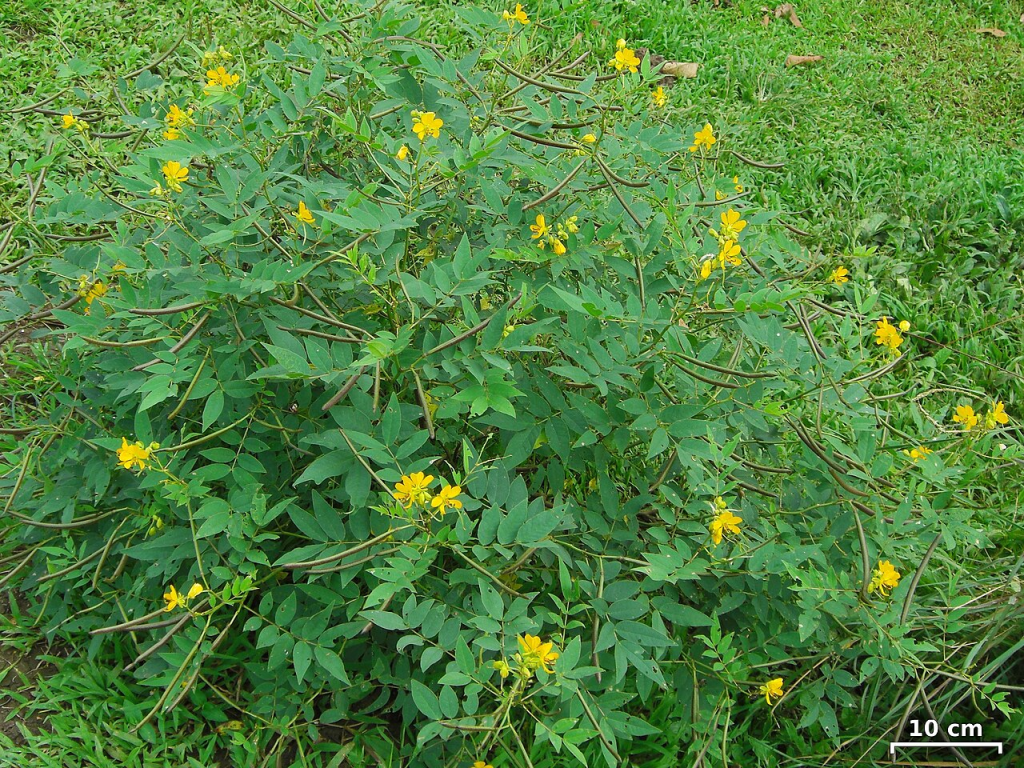
Native Name:
Iminti
Scientific Name:
Cassia occidentalis
Traditional Uses:
Iminti is traditionally used for:
- Severe stomach pain
- Malaria
- Swollen testicles
- Snake bites
- Kidney problems
Seeds are also used as a coffee substitute.
7. Imbasa — Cissampelos mucronata
Cissampelos is a genus of flowering plants in the family Menispermaceae. Various species of this genus have a history of use in various traditions of herbal medicine. Moreover, many of these plants were used as curare applied as arrow poison during hunting.[1]
Cissampelos pareira is used in Chinese herbology. The species is also known as abuta in Ayurvedic medicine. The Maasai people of Kenya use Cissampelos mucronata as a forage for their cattle.
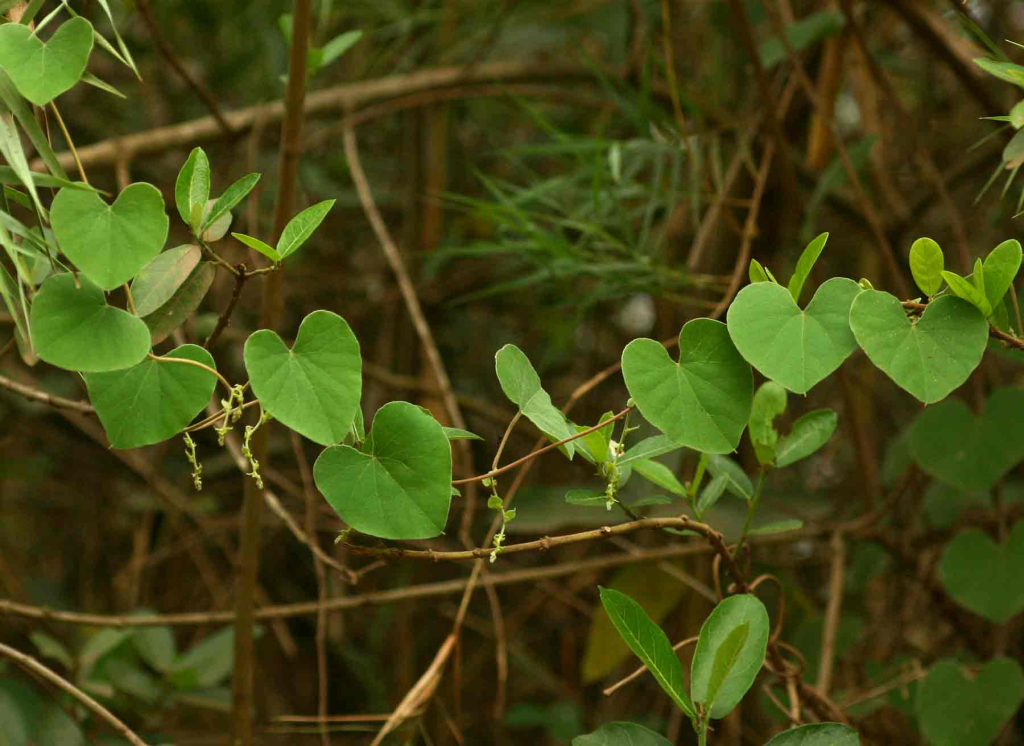
Native Name:
Imbasa
Scientific Name:
Cissampelos mucronata
Traditional Uses:
Roots are mixed with warm water and administered to children for:
- Swollen bellies
- Abdominal pain
- Swollen testicles
The herb is also believed to:
- Strengthen immunity
- Support livestock recovery after birth
8. Indulandula — Solanum incanum
Solanum incanum is a species of nightshade, a flowering plant in the family Solanaceae. It is native to East Africa, West Africa, the Middle East, and eastwards to India. The species was introduced to Taiwan and Vietnam.
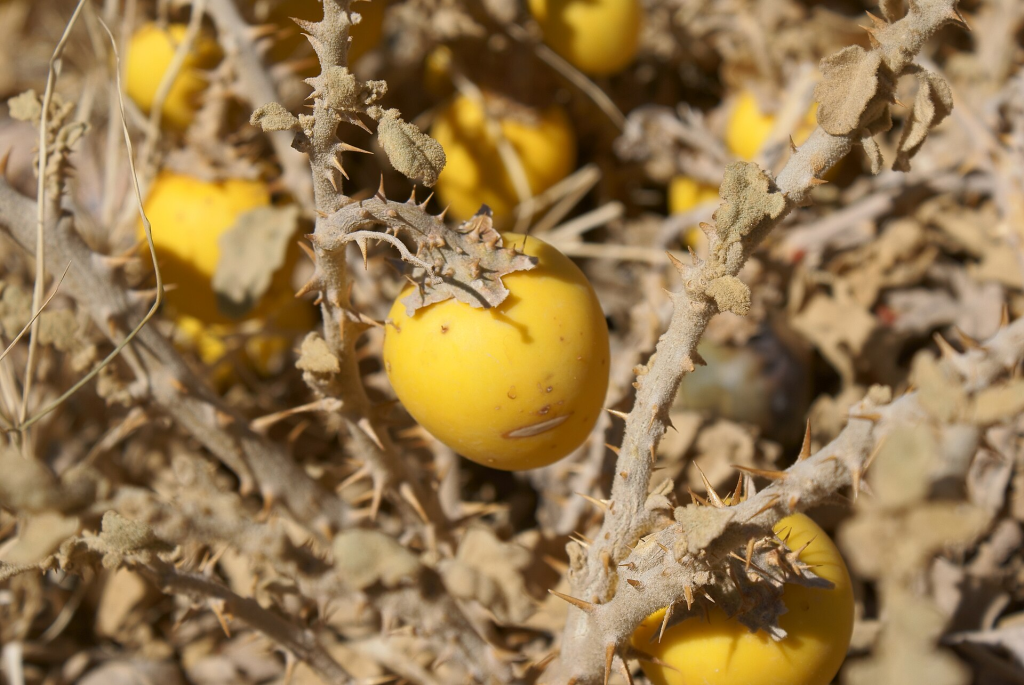
Common names include thorn apple, bitter apple, bitterball and bitter tomato It may be confused with the similar S. linnaeanum where their ranges overlap in Africa. In ancient India, Solanum incanum was domesticated into the eggplant, Solanum melongena.
Native Name:
Indulandula
Scientific Name:
Solanum incanum
Traditional Uses:
Treats:
- Fever
- Indigestion
- Ear ache
- Chest pain
- Ringworm
- Syphilis
Fruits are used for:
- Boils
9. Lihululu — Justicia flava
Justicia is a genus of flowering plants in the family Acanthaceae. It is the largest genus within the family, with over 900 accepted species.[1] They are native to tropical to warm temperate regions of the Americas, India, and Africa. The genus serves as host to many butterfly species, such as Anartia fatima. Common names include water-willow and shrimp plant, the latter from the inflorescences, which resemble a shrimp in some species. The generic name honours Scottish horticulturist James Justice (1698–1763).[2] They are closely related to Pachystachys
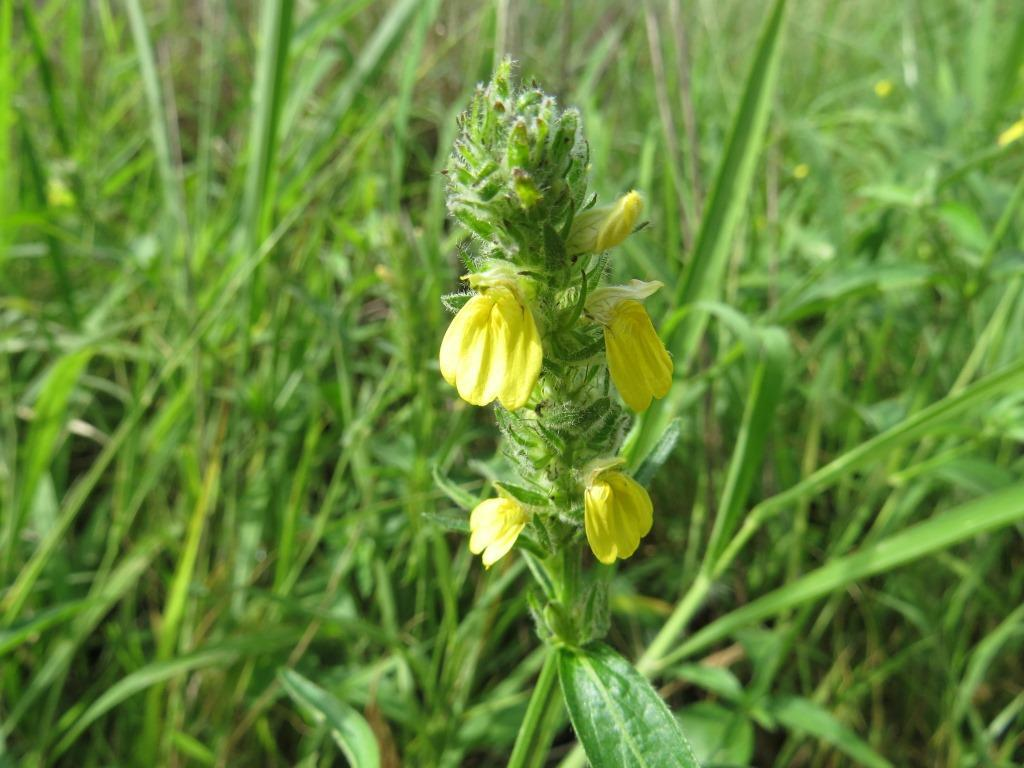
Native Name:
Lihululu
Scientific Name:
Justicia flava
Traditional Uses:
Roots are boiled for:
- Diarrhea
- Stomach ache
Leaves are chewed to stop:
- Vomiting sensations
10. Libono — Ricinus communis
Ricinus communis, the castor bean or castor oil plant, is a species of perennial flowering plant in the spurge family, Euphorbiaceae. It is the sole species in the monotypic genus, Ricinus, and subtribe, Ricininae.
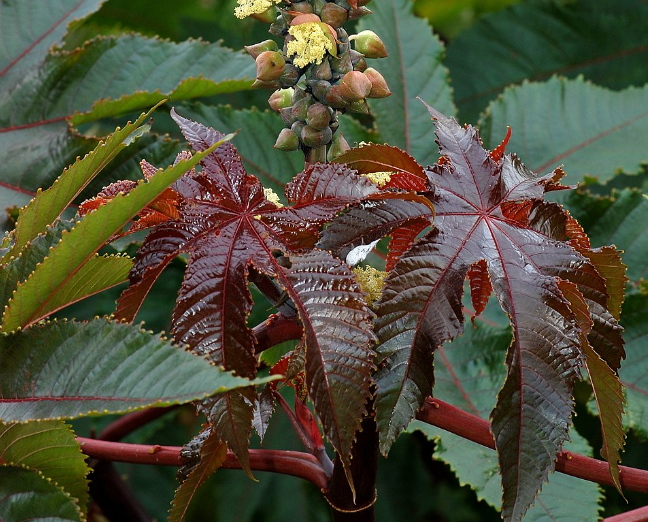
Its seed is the castor bean, which despite the term is not a bean (as it is not the seed of a member of the family Fabaceae). Castor is indigenous to the southeastern Mediterranean Basin, East Africa, and India, but is widespread throughout tropical regions (and widely grown elsewhere as an ornamental plant).
Castor seed is the source of castor oil, which has a wide variety of uses. The seeds contain 40–60% oil that is rich in triglycerides, mainly ricinolein. The seed also contains ricin, a highly potent water-soluble toxin.
Native Name:
Libono
Scientific Name:
Ricinus communis
Traditional Uses:
Traditionally used for:
- Appetite stimulation
- Ulcers
- Venereal diseases
- Diarrhea
- Stomach ache
Castor oil is also used for:
- Skin treatment
11. Linyolonyo — Cyanotis lantana
Cyanotis is a genus of mainly perennial plants in the family Commelinaceae, first described in 1825. Species of the genus are native to Africa, southern Asia, and northern Australia.
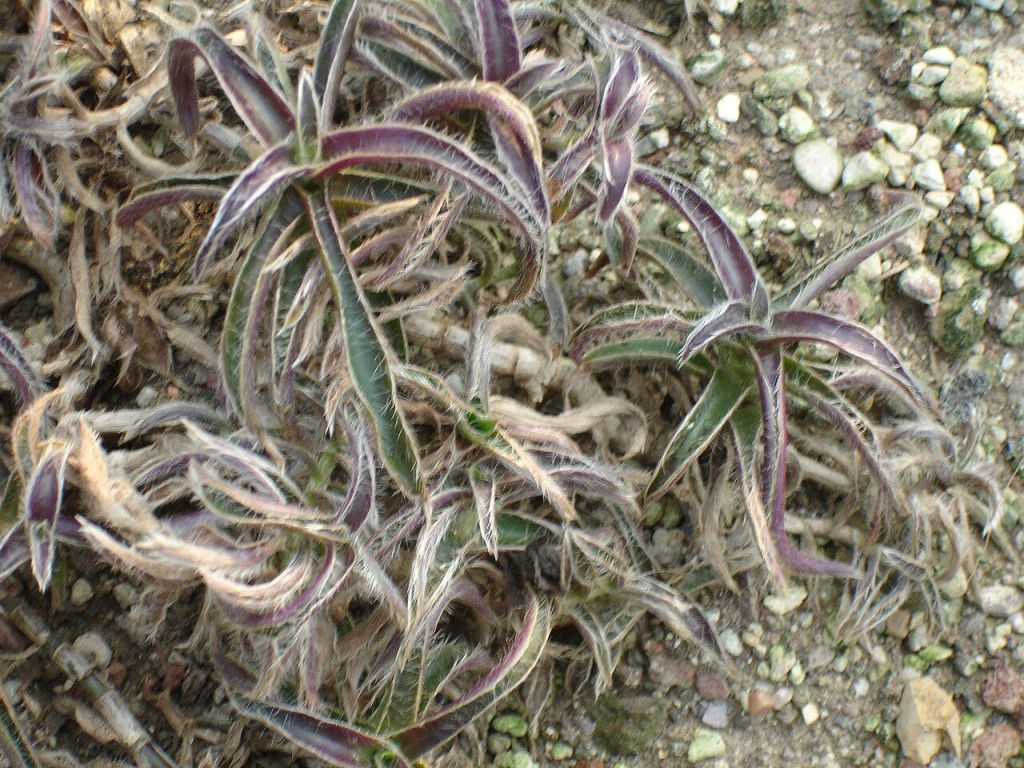
Native Name:
Linyolonyo
Scientific Name:
Cyanotis lantana
Traditional Uses:
Roots are used for:
- Pneumonia treatment
12. Lirakalu — Acanthus eminens
Acanthus eminens is a species of flowering plant in the genus Acanthus. It is primarily found in the tropical regions of Eastern Africa, particularly in Ethiopia, South Sudan, Uganda and Kenya.
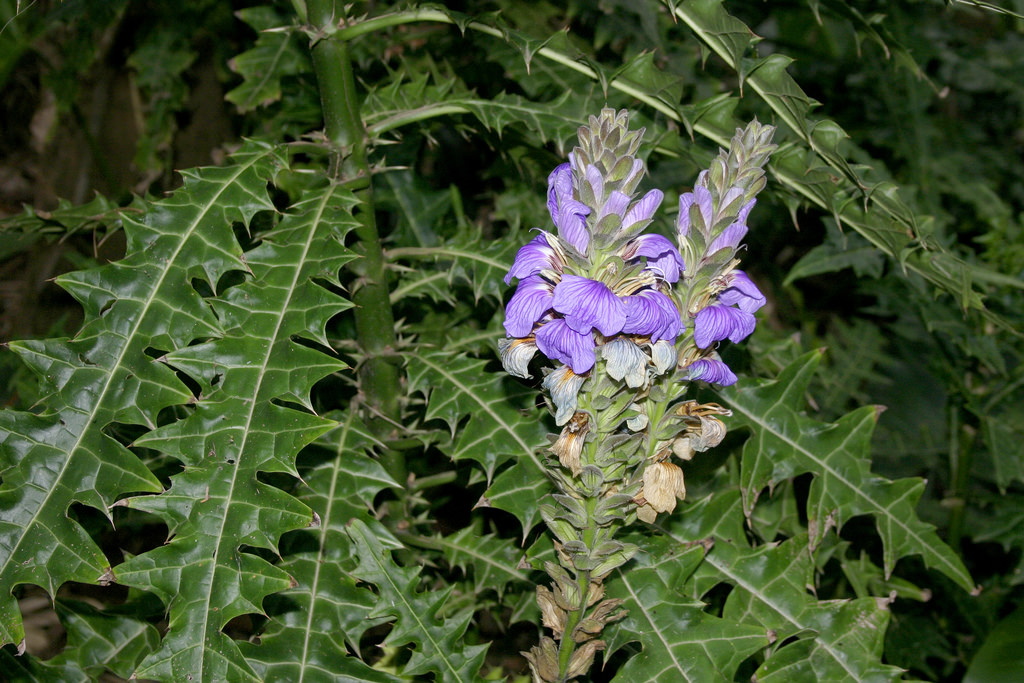
Native Name:
Lirakalu
Scientific Name:
Acanthus eminens
Traditional Uses:
Burned ash from leaves is used for:
- Spleen disease treatment
13. Liseno — Tephrosia interrupta
An Tephrosia interrupta[1] in uska species han Magnoliopsida nga ginhulagway ni Adolf Engler. An Tephrosia interrupta in nahilalakip ha genus nga Tephrosia, ngan familia nga Fabaceae.
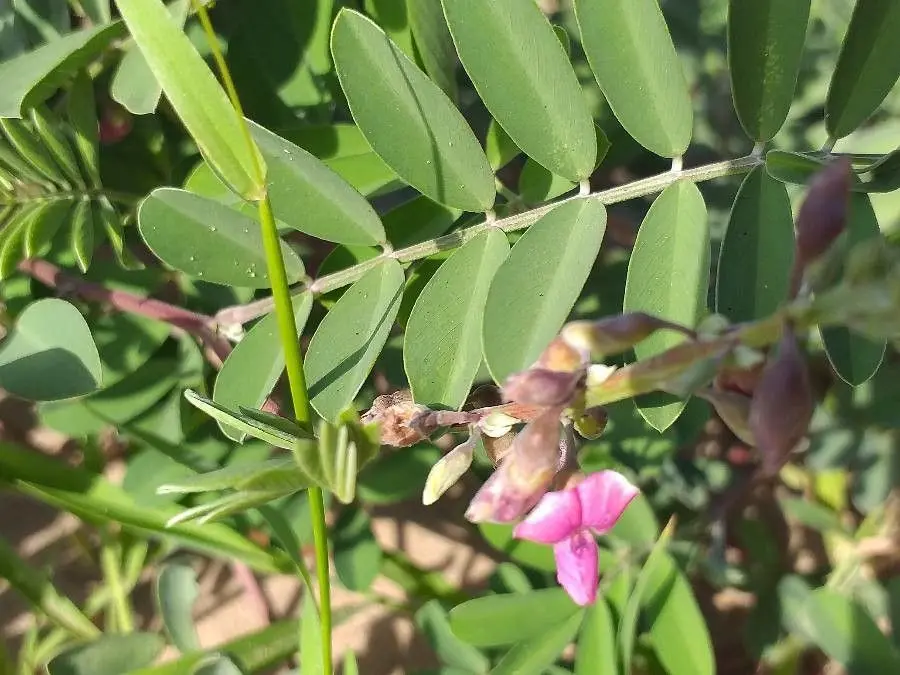
Native Name:
Liseno
Scientific Name:
Tephrosia interrupta
Traditional Uses:
Used for:
- Cough treatment
- Post-childbirth recovery
- Strength restoration in women
14. Litoko — Cyperus papyrus
Cyperus papyrus, better known by the common names papyrus sedge,[1] papyrus,[2] paper reed, Indian matting plant, or Nile grass, is a species of aquatic flowering plant belonging to the sedge family Cyperaceae. It is a tender herbaceous perennial, forming tall stands of reed-like swamp vegetation in shallow water.
In nature, it grows in full sun, in flooded swamps, and on lake margins throughout Africa (where it is native),[3] Madagascar, and the Mediterranean region.[4] It has been introduced to tropical regions worldwide, such as the Indian subcontinent, South America, and the Caribbean.
Along with its close relatives, papyrus sedge has a very long history of use by humans, notably by the Ancient Egyptians (as it is the source of papyrus paper, one of the first types of paper ever made).[3] Parts of the plant can be eaten, and the highly buoyant stems can be made into boats. It is now often cultivated as an ornamental plant.
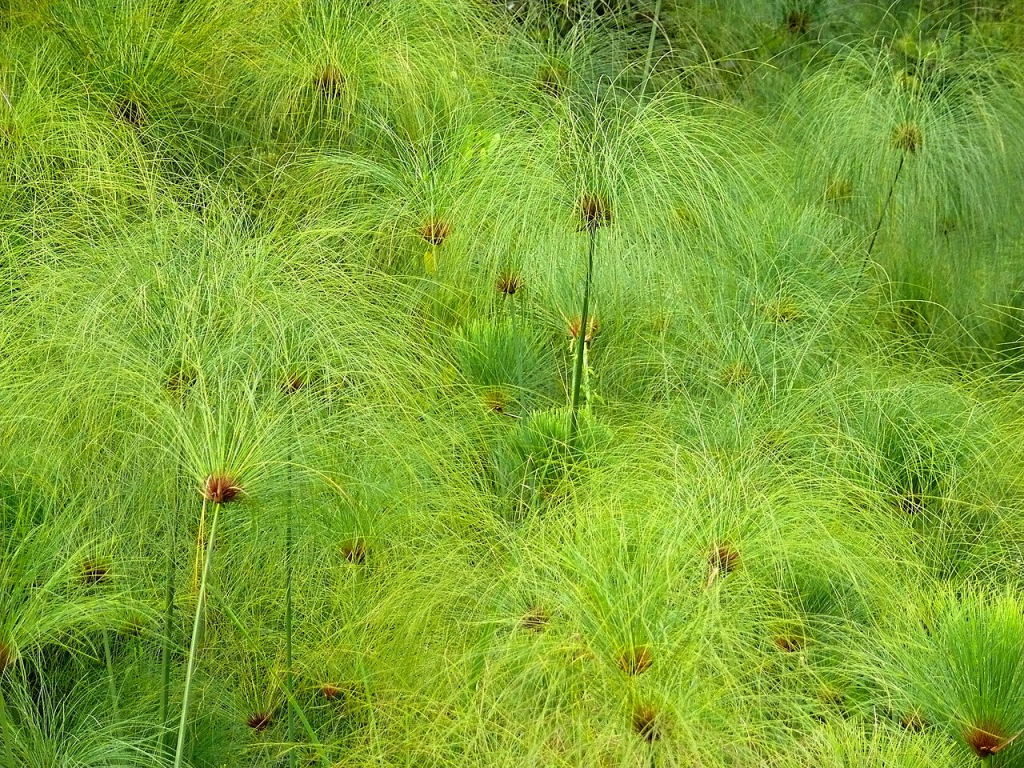
Native Name:
Litoko
Scientific Name:
Cyperus papyrus
Traditional Uses:
Treats:
- Severe colds
- Headaches
- Stomach ache
- Poor appetite
15. Lubinu — Cassia didymobotrya
Senna didymobotrya is a species of flowering plant in the legume family known by the common names African senna,[1] popcorn senna, candelabra tree, and peanut butter cassia. It is native to Africa, where it can be found across the continent in several types of habitats.
It has been introduced to many other parts of the world for use as an ornamental plant, a cover crop, and a leguminous green manure.[2] In some places it is now naturalized in the wild, for example, in parts of Indonesia, Australia, Mexico, and the United States in California, Florida, and Hawaii.
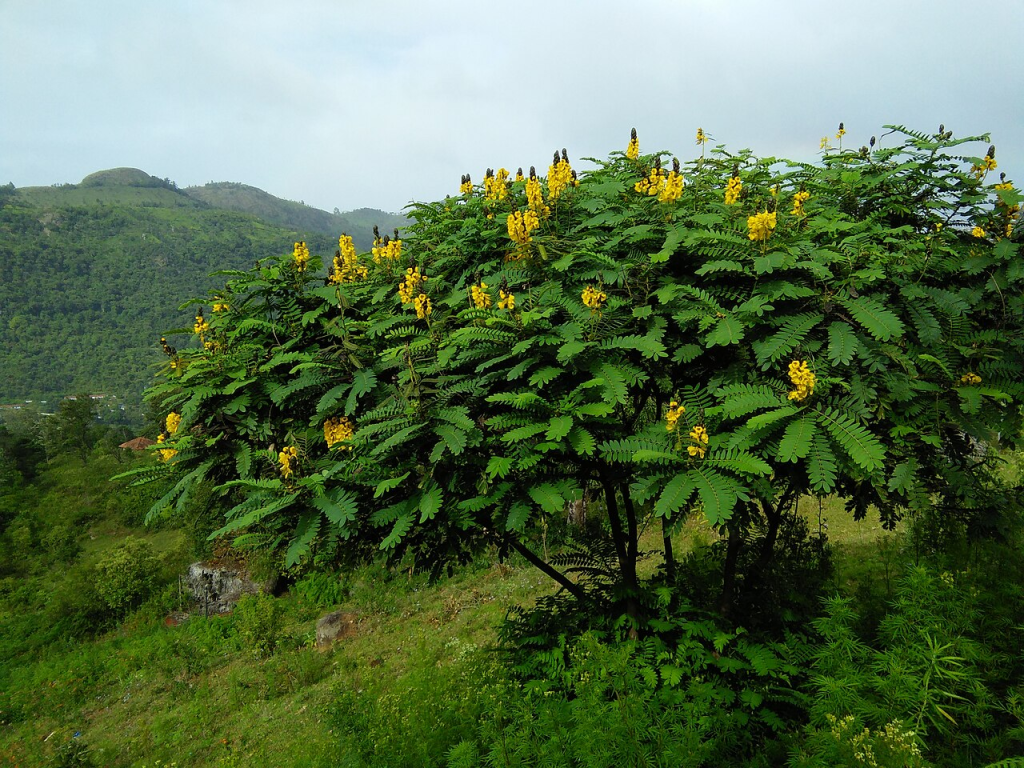
Native Name:
Lubinu
Scientific Name:
Cassia didymobotrya
Traditional Uses:
Used as:
- Purgative
- Ringworm treatment
- Poison antidote
- Livestock skin disease medicine
16. Lichunjune — Mentha pulegium
Mentha pulegium, commonly (European) pennyroyal, or pennyrile, also called mosquito plant[2] and pudding grass,[3] is a species of flowering plant in the mint family, Lamiaceae, native to Europe, North Africa, and the Middle East.[4] Crushed pennyroyal leaves emit a very strong fragrance similar to spearmint. Pennyroyal is a traditional folk remedy, emmenagogue, abortifacient, and culinary herb, but is toxic to the liver and has caused some deaths.[5] European pennyroyal is related to an American species, Hedeoma pulegioides. Though they differ in genera, they share similar chemical properties.
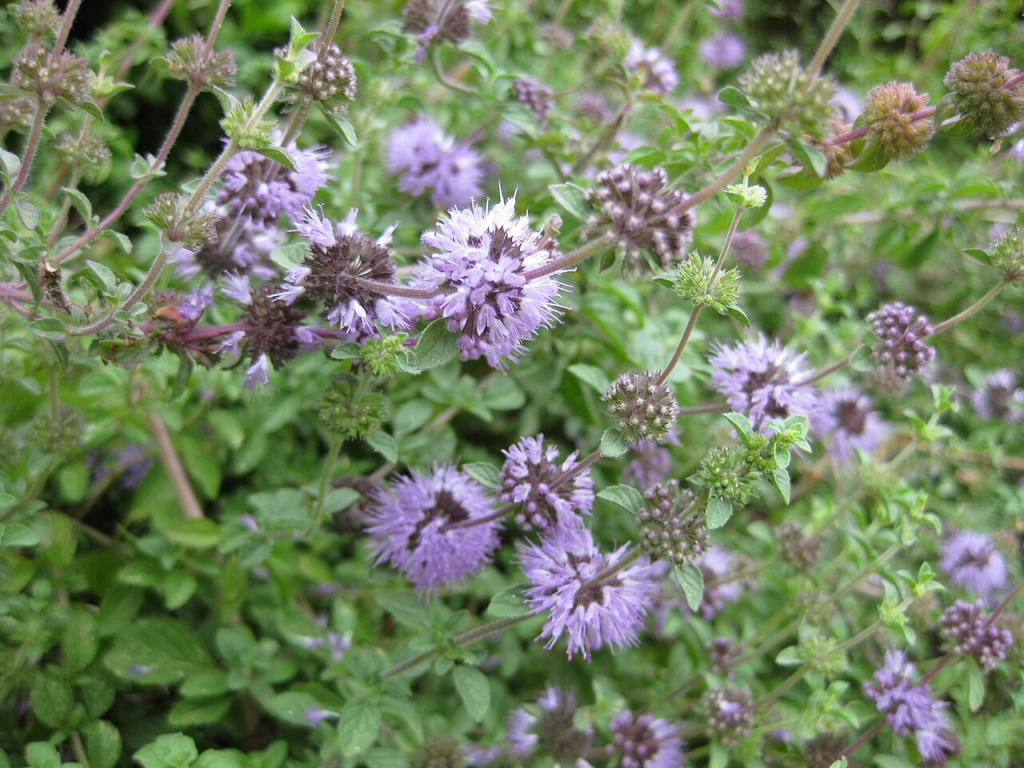
Native Name:
Lichunjune
Scientific Name:
Mentha pulegium
Traditional Uses:
Leaves are boiled and used to:
- Treat eye irritation
17. Liyondo — Pumpkin
A pumpkin is a cultivated winter squash in the genus Cucurbita.[1][2] The term is most commonly applied to round, orange-colored squash varieties, but does not possess a scientific definition. It may be used in reference to many different squashes of varied appearance and belonging to multiple species in the Cucurbita genus.
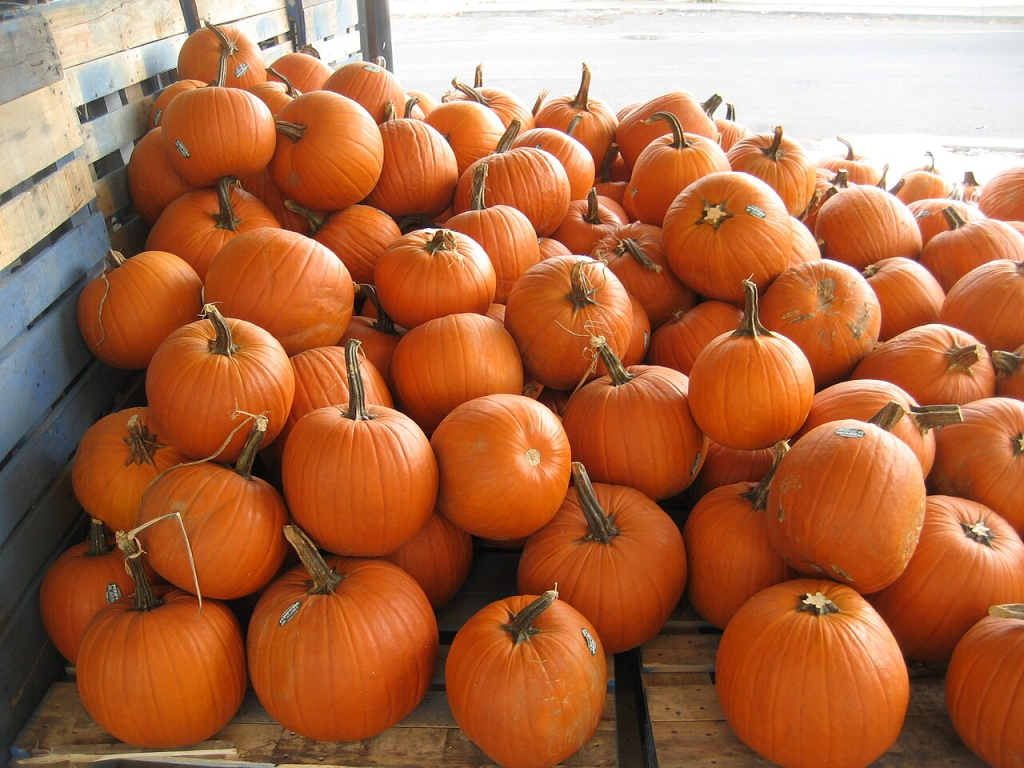
Native Name:
Liyondo
Scientific Name:
Pumpkin
Traditional Uses:
Used for:
- Improving digestion in children
- Reducing anxiety
- Improving sexual potency
The plant also carries:
- Ritual significance
- Blessing and curse symbolism
18. Lusabasabi — Sesbania sesban
Sesbania sesban, the Egyptian riverhemp, is a species of plant in the legume family, a fast growing species, it has four varieties that are currently recognized.
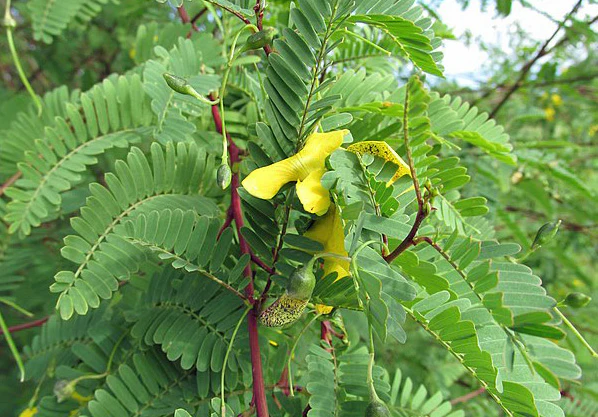
Synonyms include:
- Aeschynomene aegyptiaca (Pers.) Steud.
- Aeschynomene sesban L.
- Emerus sesban (L.) Kuntze
- Sesbania aegyptiaca Poir.
Sesbania sesban is a nitrogen-fixing tree and may be useful in alley cropping. It is also used as a fodder crop and source of fuel wood
Native Name:
Lusabasabi
Scientific Name:
Sesbania sesban
Traditional Uses:
Used for:
- Increasing milk production in cows
- Human stomach ailments
- Preventing evil dreams
- Inducing restful sleep
19. Lusolia — Markhamia platycalyx
Markhamia lutea, the Nile tulip, Nile trumpet or siala tree is a tree species of the family Bignoniaceae,[2] native to eastern Africa and cultivated for its large bright yellow flowers. It is related to the African tulip tree.
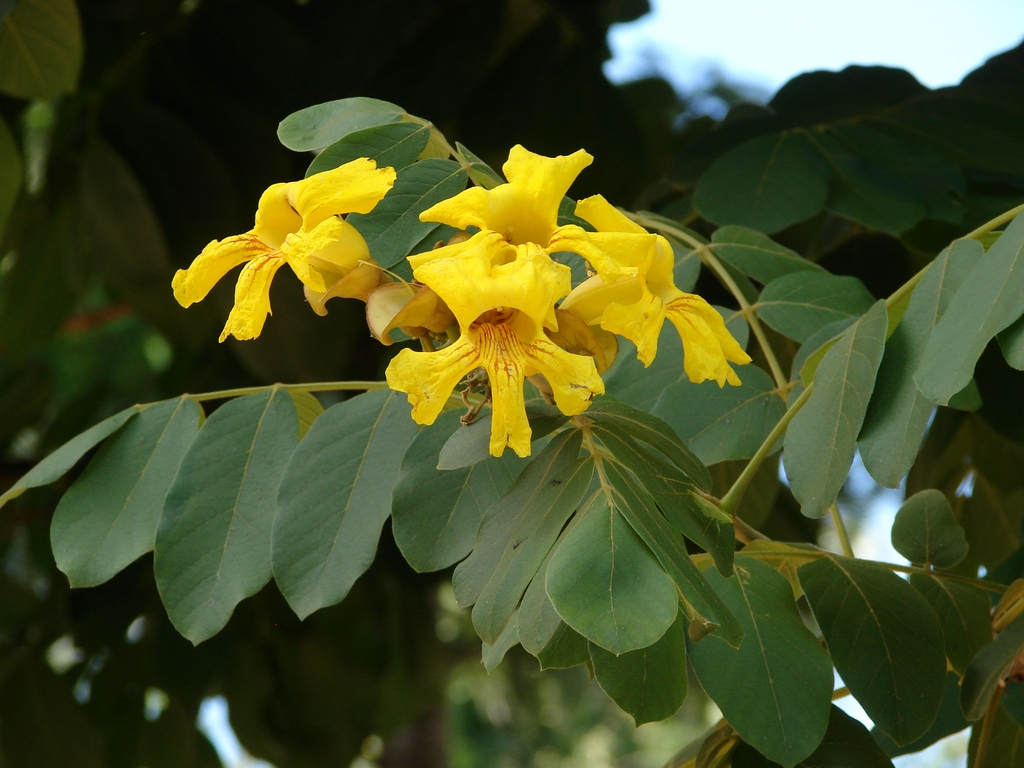
Native to Africa, Markhamia was named in the honour of Clements Markham (1830–1916), who worked in India. An evergreen small tree that grows to 4–5 m in height outside of native zones, although it can reach more than 10 m in its zones of origin. Leaves, of 20–30 cm in length, normally arranged in groups in the ends of the branches. Flowers in terminal clusters. They are trumpet shaped, yellow in colour, with orange-reddish spots in the throat. They measure 5–6 cm in length. Fruit is a capsule, of up to 70 cm in length, with abundant winged seeds. It is propagated by seeds.
Native Name:
Lusolia
Scientific Name:
Markhamia platycalyx
Traditional Uses:
Used for:
- Throat diseases
- Eye infections
- Paralysis sensations
Also holds:
- Ritual significance
20. Musutsu — Croton macrostachyus
Croton macrostachyus is a species of flowering plant native to the mountains of Sub-Saharan Africa.
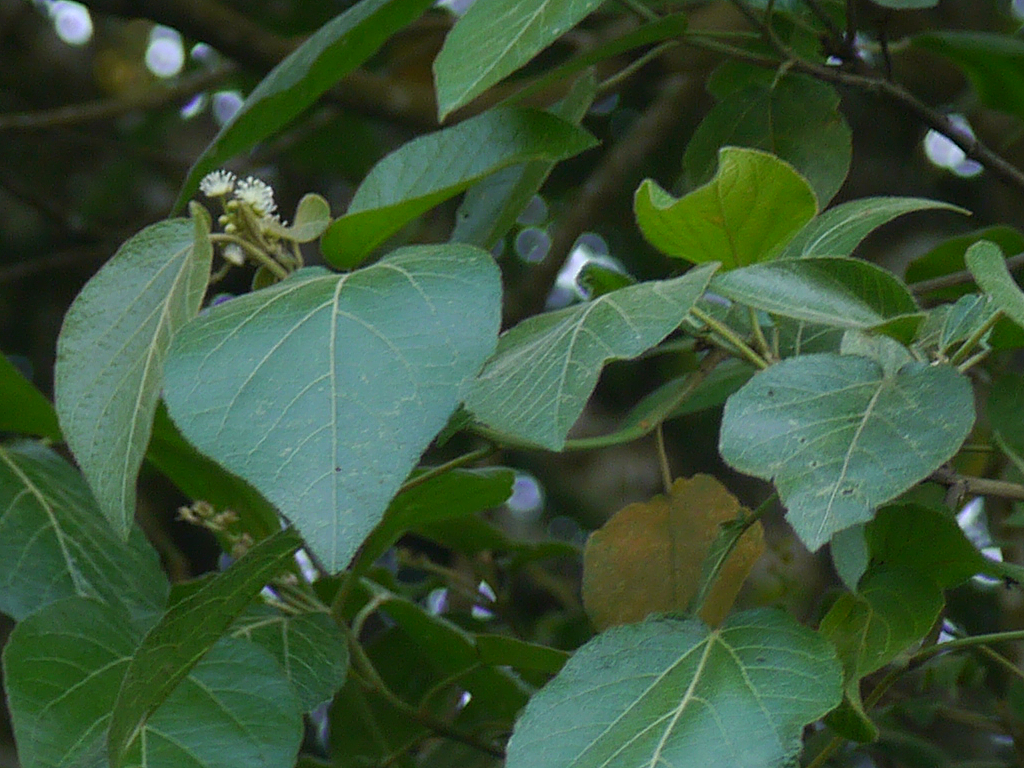
The plant is somewhat toxic, but most parts of the plant are used for a variety of medical treatments, particularly for ridding the body of parasites and toxins and treating skin conditions. Juice from crushed leaves is used as an anthelmintic, applied to wounds to hasten clotting, and used to treat sores, warts, ringworm, and itchy scalp. Root decoctions are also used as an anthelmintic and to treat malaria and venereal diseases. Root decoctions and the oil from seeds are used as a purgative or as an abortifacient.
Native Name:
Musutsu
Scientific Name:
Croton macrostachyus
Traditional Uses:
Used for:
- Malaria
- Coughs
- Toothache
- Tapeworm treatment
Some parts are poisonous and require careful handling.
21. Olukohe — Bidens pilosa
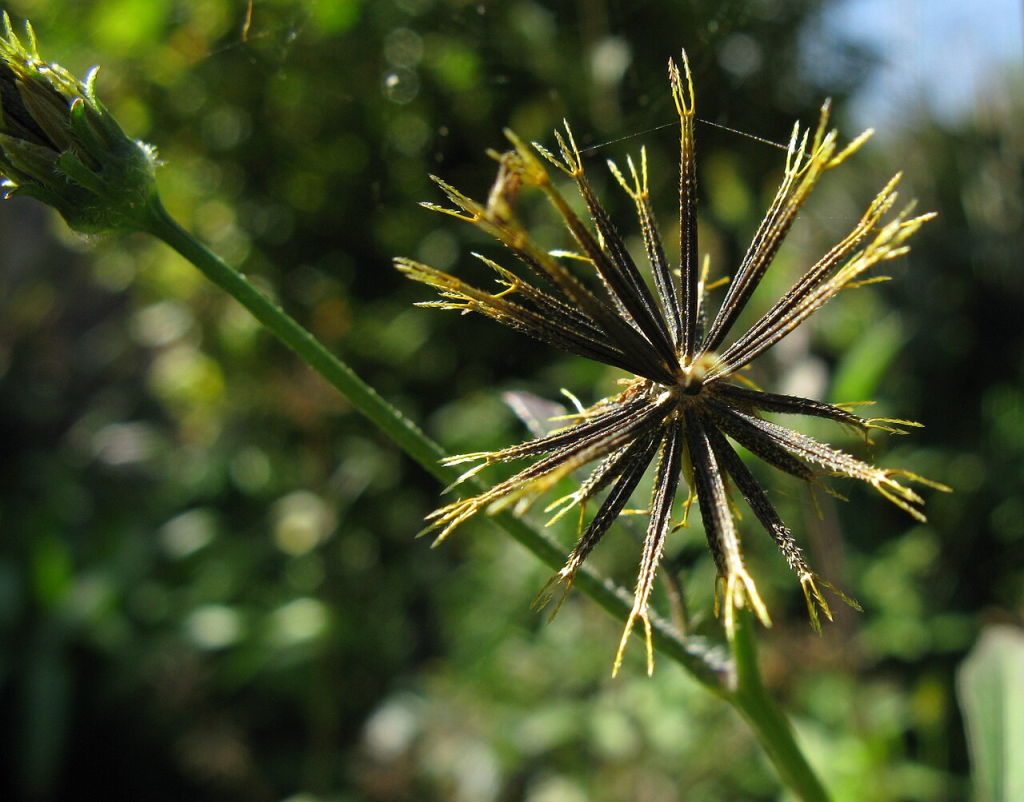
Bidens pilosa is an annual species of herbaceous flowering plant in the daisy family Asteraceae. Its many common names include hitch hikers, black-jack, beggarticks, farmer’s friends and Spanish needle, but most commonly referred to as cobblers pegs. It is native to the Americas but is widely distributed as an introduced species in other regions including Eurasia, Africa, Australia, South America and the Pacific Islands,[2] and is classified as an invasive species in some regions of the world.
Native Name:
Olukohe
Scientific Name:
Bidens pilosa
Traditional Uses:
Treats:
- Conjunctivitis
- Malaria
- Constipation
- Intestinal worms
- Stomach ache
22. Olweywe — Indigofera arrecta
Indigofera arrecta, variously called the Bengal, Java, or Natal indigo, is a species of flowering plant in the family Fabaceae. It is native to Sub‑Saharan Africa, the Arabian Peninsula, and Madagascar, and has been introduced to the Indian Subcontinent, Southeast Asia, some of the islands of Indonesia, the Philippines, and Queensland in Australia.
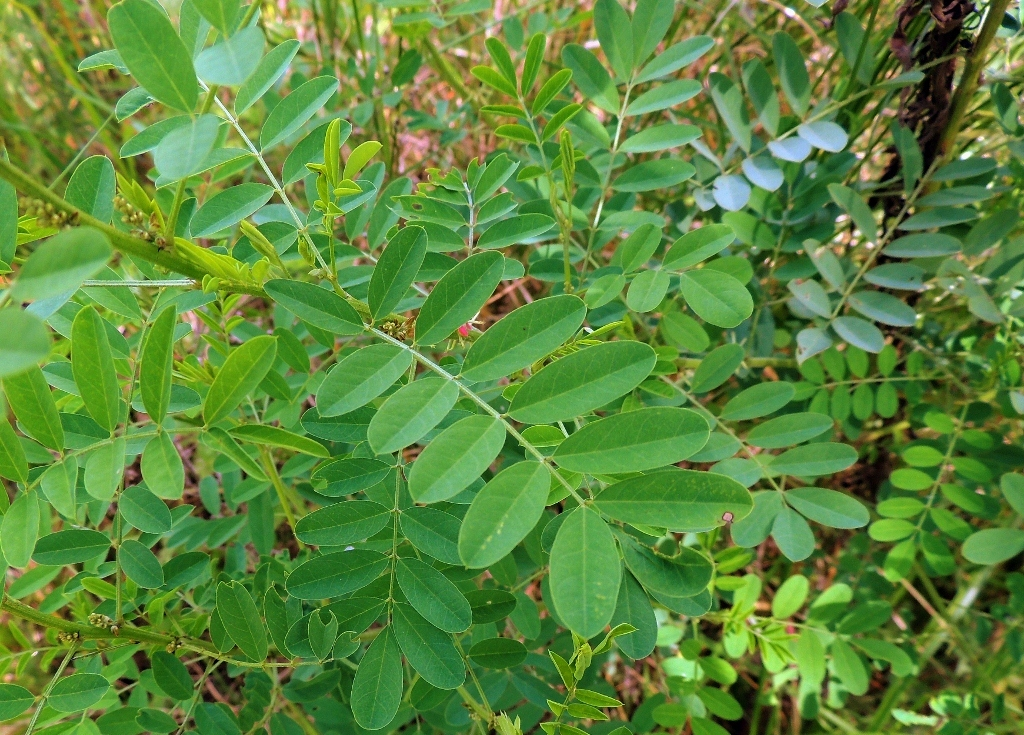
Today it is occasionally used as a green manure, but historically was a major source of Indigo dye, with 600,000 hectares (1,500,000 acres) under cultivation in India in 1896, declining to a few thousand hectares 60 years later.
Native Name:
Olweywe
Scientific Name:
Indigofera arrecta
Traditional Uses:
Used for:
- Joint dislocation
- Pain suppression
- Stomach disorders
23. Omusala kwo Muyeka — Sphaeranthus napirae
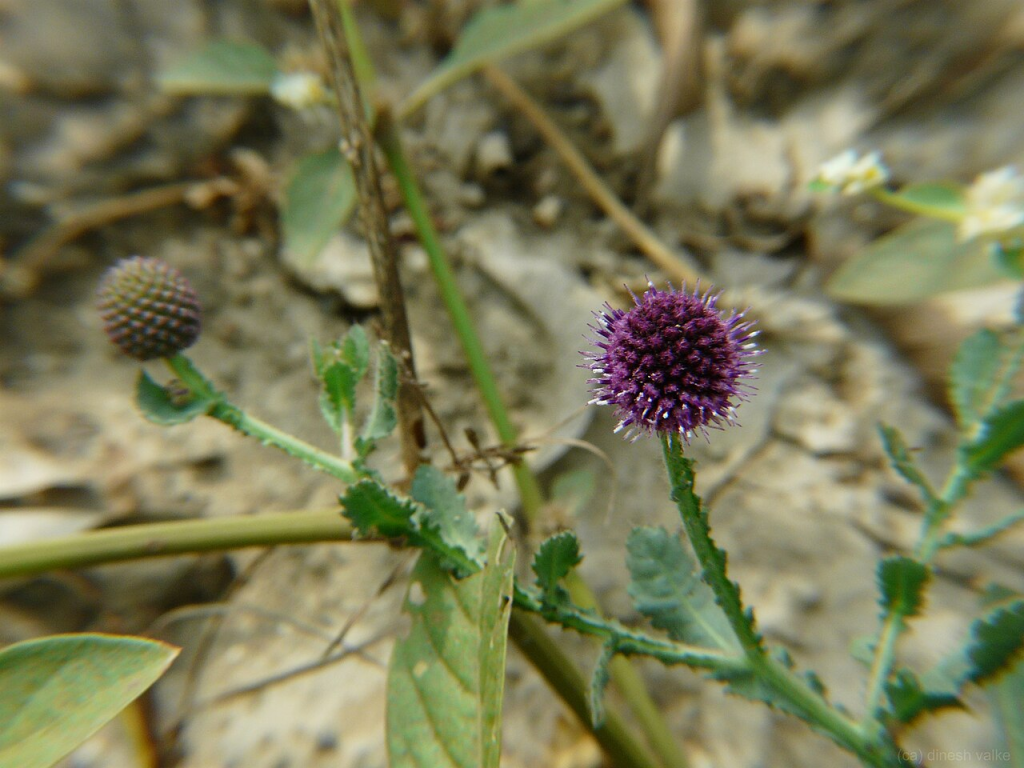
Sphaeranthus is a genus of Asian, African, and Australian plants in the tribe Inuleae within the family Asteraceae.
Native Name:
Omusala kwo Muyeka
Scientific Name:
Sphaeranthus napirae
Traditional Uses:
Used for:
- Treating colds
- Inducing sneezing to clear nasal congestion
24. Omunyama — Cassia mimosoides
Native Name:
Omunyama
Scientific Name:
Cassia mimosoides
Traditional Uses:
Used for:
- Burns
- Eye sores
- Ear wounds
25. Omurembe — Erythrina abyssinica
Erythrina abyssinica (lucky bean or flame tree) is a tree species of the genus Erythrina belonging to the plant family of the Fabaceae (or Leguminosae) described by Augustin Pyramus de Candolle in 1825. This leguminous tree species is native to East Africa, Eastern DRC and southern Africa. In Zimbabwe its range overlaps with the similar Erythrina latissima.
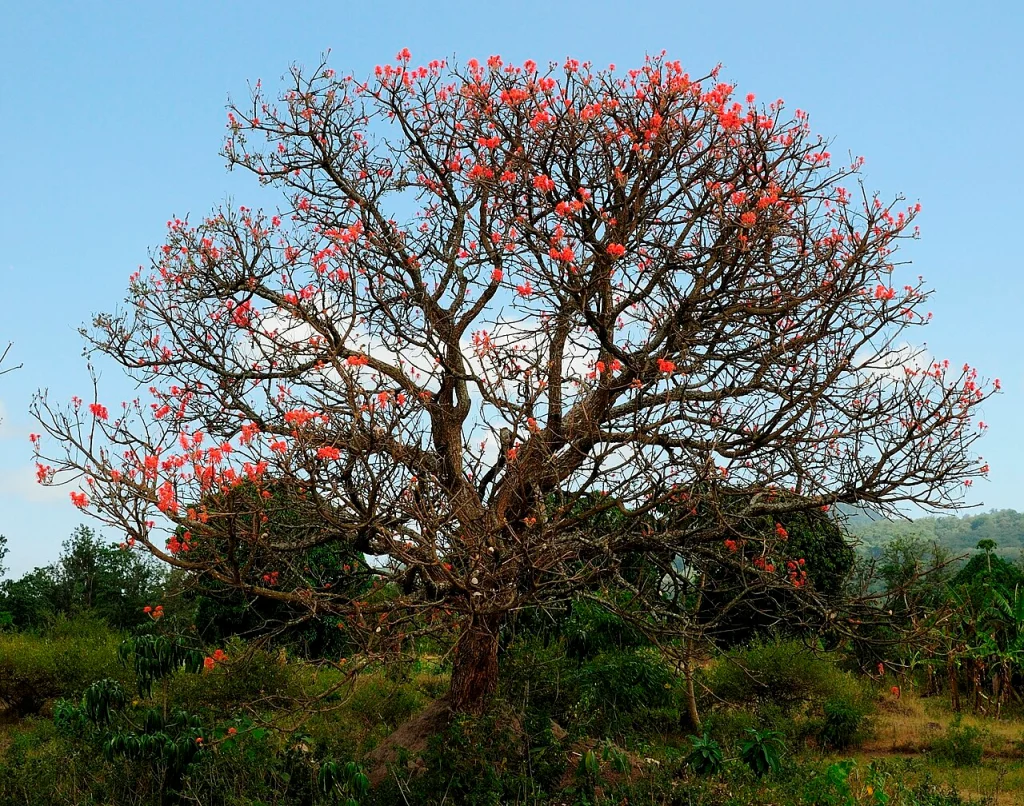
The seeds are used as fish poison and decoratively in necklaces. The soft wood of the trunk has been used to carve small statues and animals. The wood is also used for making beehives and African drums or Tam Tam.
Native Name:
Omurembe
Scientific Name:
Erythrina abyssinica
Traditional Uses:
Treats:
- Malaria
- Gonorrhea
- Syphilis
- Snake bites
- Trachoma
Also carries:
- Ritual significance in curse and protection practices
26. Omutondo — Tabernaemontana usambarensis
Tabernaemontana ventricosa, commonly known as forest toad-tree or small-fruited toad-tree,[3] is a tree in the dogbane family Apocynaceae. It is native to Africa.
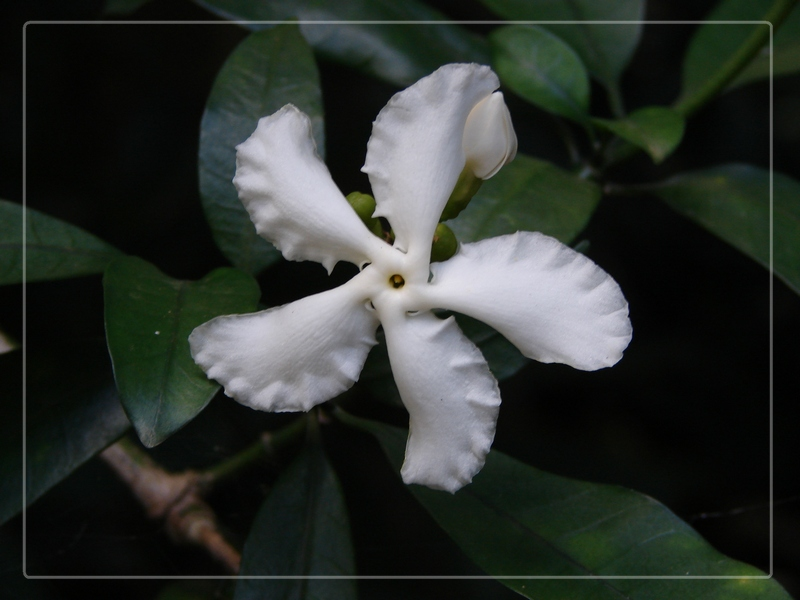
Native Name:
Omutondo
Scientific Name:
Tabernaemontana usambarensis
Traditional Uses:
Used for:
- Malaria
- Constipation
- Stomach ache
- Wound treatment
- Secondary infections
27. Sikukuni — Vangueria apiculata
Native Name:
Sikukuni
Scientific Name:
Vangueria apiculata
Traditional Uses:
Used for:
- Intestinal worms
- Stomach ache
28. Sikhuma — Zanthoxylum gilletii
Zanthoxylum gilletii, the East African satinwood, is a tree species in the genus Zanthoxylum found in Africa. The fruits are used to produce the spice uzazi, which is the Nigerian (Igbo language) name of both the plant and the spice. It is native to Central and West Africa, and a close relative of the Sichuan pepper. “Uzazi” usually refers specifically to the spice made from its fruit and pericarp, though sometimes other parts of it such as its leaves are used.
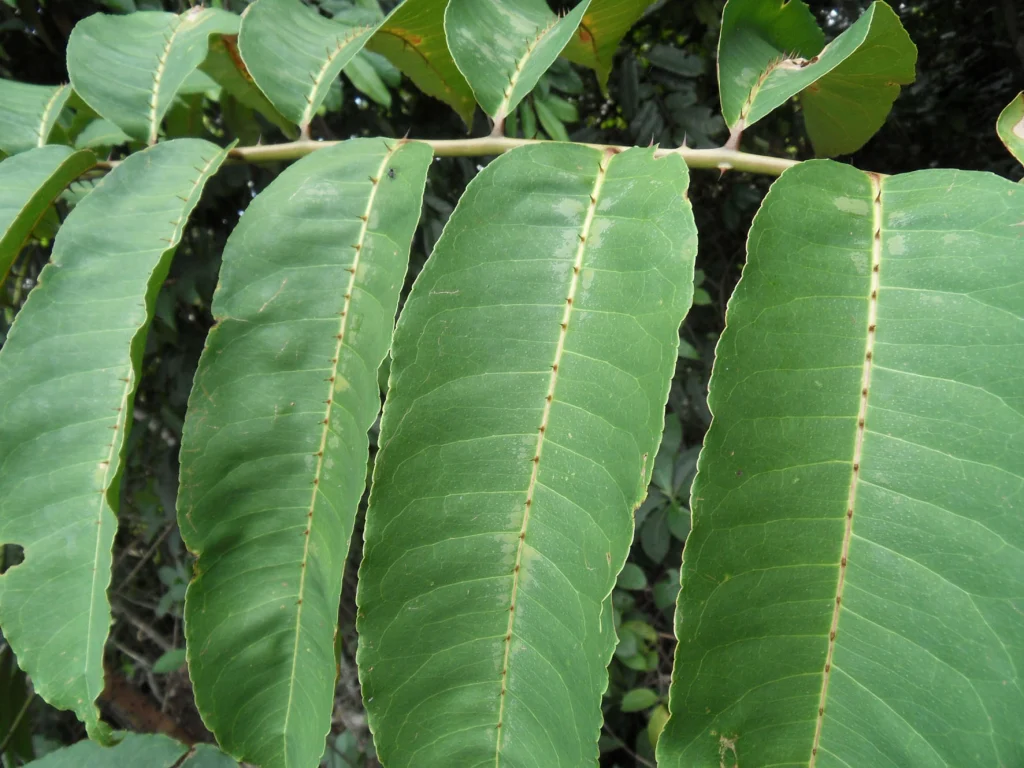
Native Name:
Sikhuma
Scientific Name:
Zanthoxylum gilletii
Traditional Uses:
Used for:
- Toothache
- Stomach ache
29. Sikomoli — Vangueria apiculata
Vangueria apiculata is a species of flowering plant in the family Rubiaceae. It is found from Ethiopia to South Tropical Africa.
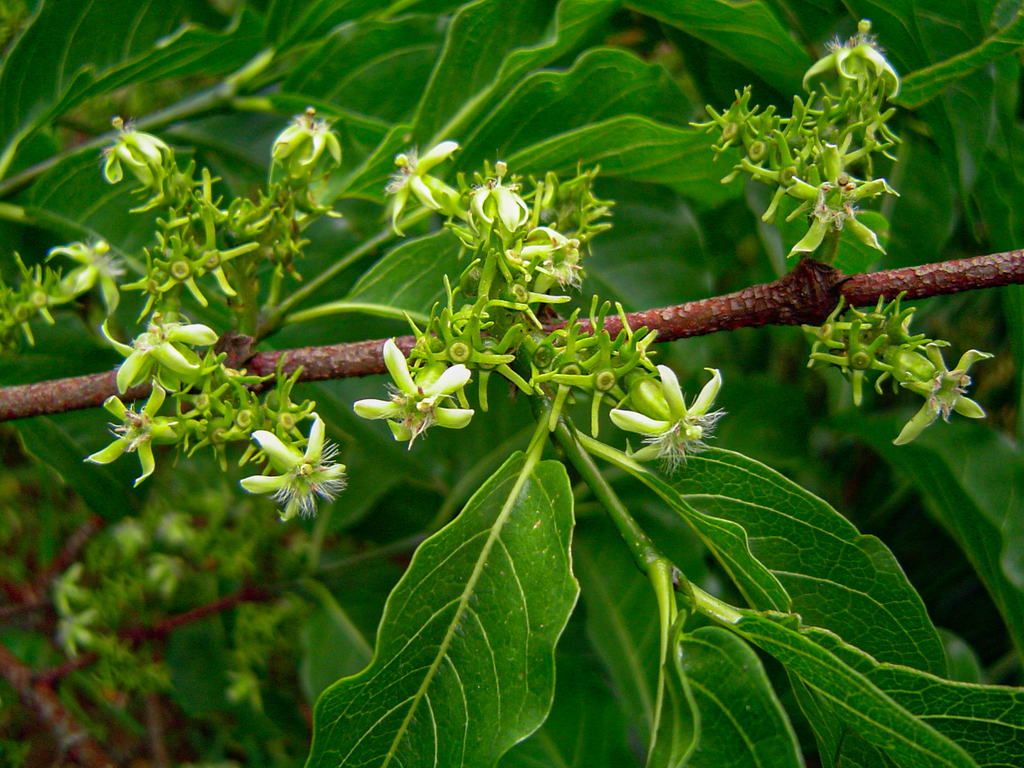
Native Name:
Sikomoli
Scientific Name:
Vangueria apiculata
Traditional Uses:
Used for:
- Intestinal worms
- Stomach ache
30. Sikutu — Ehretia cymosa
Ehretia cymosa is a small tree belonging to the family Ehretiaceae. It occurs over a wide range of habitat throughout of western, central and eastern Africa, including Benin, Côte d’Ivoire, Cameroon, Ethiopia, Kenya, Comoros, Madagascar, Mascarenes,[3] Zimbabwe and Mozambique.
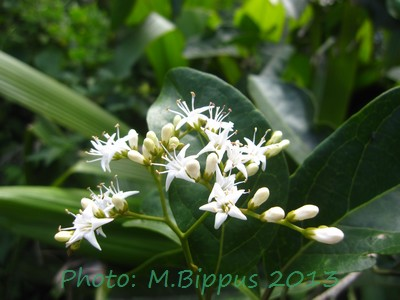
Local names for this plant include Mpelu, Mnemvu (Tanzania), Murembu (Meru), Shekutu (Luhya), Yambu (Chagga), Mororwet (Nandy), Alébé (Baoulé), Bélékou, Blikou (Gouro), Grakou (Shien), Labassa (Ewé), Zomena, Zomali (Adja), Zoma, Zozoma, Myonma (Fon), Myoma (Sahouè), Jáà (Yoruba), and Ulaagaa (Arsi).
Leaves & roots are used for medical uses in traditional medicine.
Native Name:
Sikutu
Scientific Name:
Ehretia cymosa
Traditional Uses:
Used for:
- Aphrodisiac purposes
- Wound healing
Some preparations are considered toxic if misused.
31. Silambili — Aspilia pluriseta
Aspilia is a genus of flowering plants in the family Asteraceae Aspilia is native to sub-Saharan Africa, Madagascar, Yemen, and tropical South America. Some authors have merged this genus with Wedelia, but others maintain that more study is required.
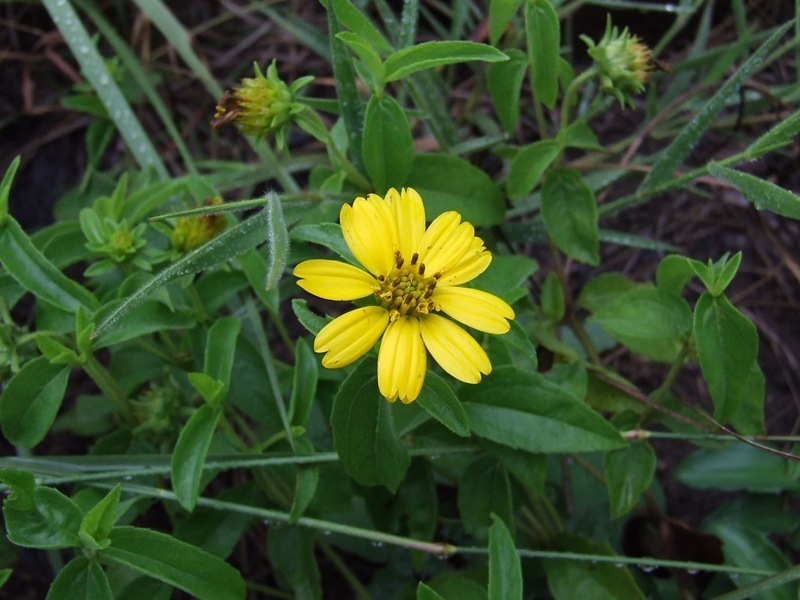
Historically, Aspilia africana was used in Mbaise and most Igbo speaking parts of Nigeria to prevent conception, suggesting potential contraceptive and anti-fertility properties. Leaf extract and fractions of A. africana effectively arrested bleeding from fresh wounds, inhibited microbial growth of known wound contaminants and accelerated wound healing process. Aspilia is hypothesized to be used as herbal medicine by some chimpanzees.
Native Name:
Silambili
Scientific Name:
Aspilia pluriseta
Traditional Uses:
Traditionally used by herbalists for:
- Trachoma eye treatment
The leaves are carefully applied to affected eyelids during healing rituals.
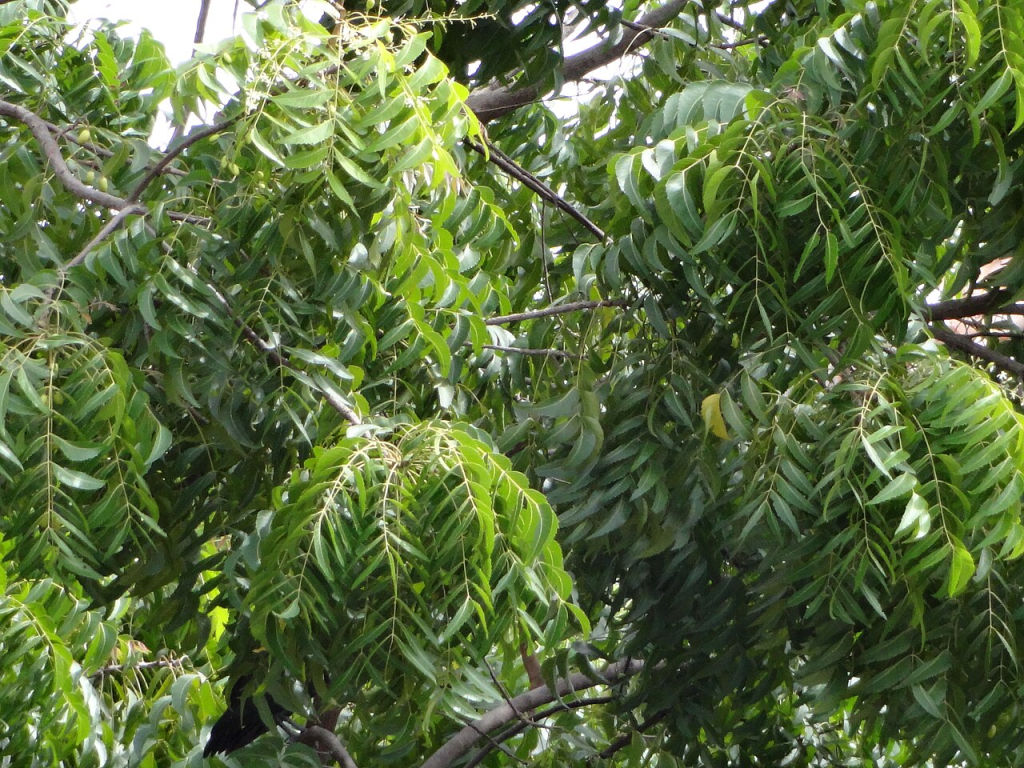
32. Mwarubaini (Neem) Details
Azadirachta indica, commonly known as neem, margosa, nimtree or Indian lilac,[3] is a tree in the mahogany family Meliaceae. It is one of the two species in the genus Azadirachta. It is native to the Indian subcontinent and to parts of Southeast Asia, but is naturalized and grown around the world in tropical and subtropical areas. Its fruits and seeds are the source of neem oil. Nim is a Hindustani noun derived from Sanskrit nimba (निंब).
Native and Local Names
| Language/Community | Name |
|---|---|
| Kiswahili | Mwarubaini |
| English | Neem |
| Hindi | Neem |
| Luyia (commonly adopted) | Mwarubaini |
| Luo | Mwarubaine / Neem |
| Kikuyu | Mwarubaini |
The name “Mwarubaini” comes from the Arabic-Swahili expression meaning:
“The tree of 40 cures”
because communities traditionally believe the plant can treat dozens of illnesses.
Scientific Name
Scientific Name:
Azadirachta indica
Plant Family:
Meliaceae
Neem originated in the Indian subcontinent but became widely naturalized across East Africa because of its medicinal and drought-resistant properties.
Description of the Neem Tree
Neem is an evergreen medicinal tree known for:
- Bitter leaves
- Strong medicinal smell
- Fast growth
- Drought tolerance
Almost every part of the tree is used medicinally:
- Leaves
- Bark
- Seeds
- Roots
- Twigs
- Oil
Traditional healers and herbal practitioners widely value the tree for antimicrobial and antiparasitic properties.
Traditional Uses of Mwarubaini
1. Malaria Treatment
One of the most common uses of neem in East Africa is malaria management.
Preparation:
- Leaves boiled in water
- Bitter extract consumed orally
Communities traditionally believe it helps:
- Reduce fever
- Fight parasites
- Strengthen immunity
2. Skin Disease Treatment
Neem leaves and oil are commonly used for:
- Ringworm
- Eczema
- Skin rashes
- Acne
- Fungal infections
- Chickenpox irritation
Preparation:
- Crushed leaves applied on skin
- Neem water used for bathing
- Neem oil applied directly
3. Dental Care
Neem twigs are traditionally chewed as natural toothbrushes.
They help:
- Clean teeth
- Strengthen gums
- Reduce mouth bacteria
- Prevent bad breath
This practice remains common in parts of Africa and Asia.
4. Stomach Problems
Neem preparations are used for:
- Stomach worms
- Constipation
- Ulcers
- Digestive cleansing
Because neem is extremely bitter, it is believed to stimulate cleansing within the digestive system.
5. Diabetes Support
Traditional herbal practitioners sometimes use neem to help regulate blood sugar.
Some scientific studies have also investigated neem’s possible anti-diabetic effects, though medical experts advise caution and professional supervision.
6. Blood Purification
Many herbal traditions describe neem as a “blood cleanser.”
It is traditionally used to:
- Remove toxins
- Improve skin appearance
- Strengthen immunity
7. Fever and Flu Relief
Neem steam inhalation and herbal teas are traditionally used for:
- Fever
- Flu
- Respiratory infections
- Common colds
8. Livestock Medicine
Farmers also use neem for:
- Tick control
- Livestock skin infections
- Poultry parasites
Neem leaves are sometimes mixed into animal wash preparations.
Neem Oil Uses
Neem seeds produce neem oil, which is widely used in:
- Herbal medicine
- Cosmetics
- Organic farming
- Natural pesticides
Neem oil is known for:
- Antifungal properties
- Antibacterial properties
- Insect-repelling abilities
Ritual and Cultural Significance
In some African and Asian traditions, neem is believed to:
- Repel evil spirits
- Purify homes
- Protect against misfortune
Branches may be placed near homes or entrances during illness outbreaks.
Scientific Interest in Neem
Modern scientific research has studied neem extensively because it contains bioactive compounds including:
- Azadirachtin
- Nimbin
- Nimbidin
Researchers have investigated neem for:
- Antimicrobial effects
- Antifungal activity
- Insecticidal properties
- Anti-inflammatory effects
However, scientists also warn that excessive or improper use may cause toxicity.
Safety Warnings
Despite its medicinal popularity, neem can be dangerous if misused.
Potential risks include:
- Liver complications
- Kidney stress
- Poisoning in children
- Allergic reactions
Pregnant women are especially advised to avoid strong neem preparations because some studies suggest possible reproductive risks.
Medical professionals recommend caution when combining neem with pharmaceutical medicines.
Neem and Modern Herbal Medicine
Neem has become one of the most commercially important herbal plants globally.
It is now used in:
- Herbal soaps
- Toothpaste
- Skin creams
- Agricultural pesticides
- Organic farming products
- Herbal supplements
The global herbal industry increasingly markets neem-based products because of growing interest in natural medicine and organic health solutions.
Why Mwarubaini Remains Important
Mwarubaini remains one of Africa’s most respected medicinal trees because of:
- Wide medicinal applications
- Easy availability
- Low cost
- Traditional trust
- Multi-purpose uses
Across East Africa, the tree continues serving as both:
- A traditional medicine source
- A symbol of indigenous healing knowledge
Traditional Healing and Modern Medicine
Research on Luyia indigenous medicine shows many families combine herbal medicine with modern healthcare systems.
Examples include:
- Childhood immunization
- Malaria treatment
- Antibiotics
- Painkillers
However, researchers warn that unregulated mixing of herbal and pharmaceutical medicine may cause:
- Toxic reactions
- Drug resistance
- Complications
- Death
33. Imbusi yomutakha
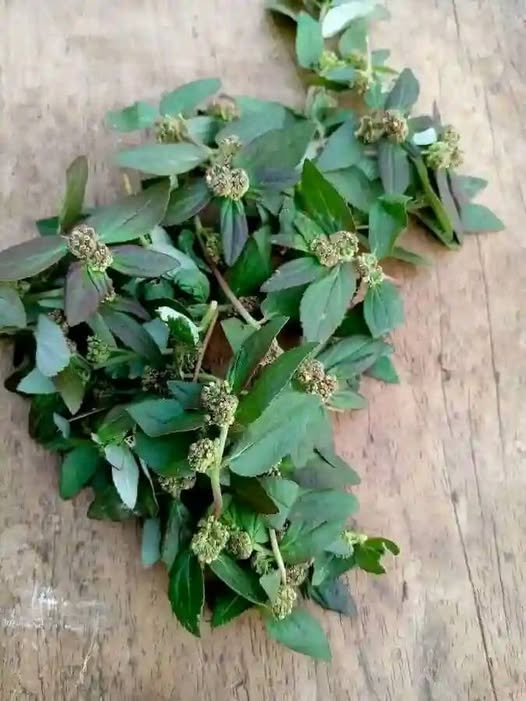
Native Names of the Herb
The herb is known by several local spellings and pronunciations depending on dialect and region.
Common Native Names
- Imbusi yomutakha
- Imbuli yu mutakha
- Imbusi o mtakha
The word is widely associated with bitterness and powerful medicinal value in Luhya herbal traditions.
Scientific Classification
| Category | Details |
|---|---|
| Scientific Name | Ajuga remota |
| Common English Name | Bugleweed |
| Plant Family | Lamiaceae |
| Plant Type | Medicinal herb |
The plant grows naturally in parts of East Africa and is commonly found in:
- Western Kenya
- Uganda
- Ethiopia
- Tanzania
Why Imbusi Yomutakha Is Extremely Bitter
Imbusi yomutakha is famous for its sharp bitter taste.
Traditional herbalists attribute the bitterness to strong medicinal compounds found within the plant, especially compounds such as:
- Ajugarine
- Phytochemicals
- Bitter alkaloids
Among traditional communities, bitterness is often culturally associated with:
- Cleansing
- Healing power
- Disease fighting strength
The stronger the bitterness, the more powerful many herbal users traditionally believe the medicine to be.
Traditional Uses of Imbusi Yomutakha
1. Malaria Treatment
One of the herb’s best-known traditional uses is malaria management.
Traditional healers commonly prepare:
- Herbal teas
- Bitter infusions
- Concentrated extracts
The remedy is believed to:
- Reduce fever
- Fight body weakness
- Improve recovery during malaria episodes
In western Kenya, the herb became especially popular in regions historically affected by high malaria prevalence.
2. Fever Reduction
The herb is also traditionally used for:
- General fevers
- Flu symptoms
- Body heat reduction
Patients often consume warm herbal preparations during illness.
3. Digestive and Stomach Problems
Imbusi yomutakha is commonly used for:
- Stomach pain
- Ulcers
- Amoebic infections
- Digestive discomfort
- Constipation
Traditional herbalists believe the bitter compounds help cleanse the digestive system.
4. Blood Pressure Management
Some communities traditionally use the herb to help:
- Lower high blood pressure
- Improve circulation
- Reduce stress-related symptoms
However, medical experts advise caution because herbal effects can vary significantly between individuals.
5. Women’s Reproductive Health
Among some traditional practitioners, the herb is used for:
- Menstrual cramps
- Cycle regulation
- Hormonal balance support
However, because of its strong medicinal effects, the herb is considered unsafe during pregnancy.
Important Safety Warning
Traditional healers and medical professionals both warn that Imbusi yomutakha should not be used casually.
Pregnant Women Warning
The herb is traditionally believed to stimulate uterine activity.
Because of this:
- Pregnant women are strongly advised to avoid it
- Excessive use may create health complications
Herbal medicine experts recommend consulting trained healthcare professionals before using strong medicinal herbs for serious illnesses.
Threats Facing Indigenous Herbal Knowledge
Traditional herbal medicine among the Luyia faces several modern threats including:
- Urbanization
- Deforestation
- Soil erosion
- Climate change
- Population growth
- Loss of indigenous knowledge
Researchers warn many medicinal plants are disappearing because of environmental degradation and declining intergenerational transmission of traditional knowledge.
Why This Matters
Luyia traditional herbs remain an important part of indigenous African medical knowledge and cultural identity.
The herbal system reflects centuries of observation, ecological understanding and community-based healthcare practices.
Preserving this knowledge is increasingly important as global interest in herbal medicine, biodiversity and indigenous healing systems continues growing.
What Happens Next
Researchers, cultural institutions and traditional healers are increasingly documenting indigenous medicinal knowledge to preserve it for future generations.
Attention will likely focus on:
- Herbal conservation
- Scientific validation of medicinal plants
- Indigenous knowledge protection
- Sustainable harvesting practices
- Integration with modern healthcare research
The future of Luyia traditional medicine may depend on balancing cultural preservation with scientific research and environmental conservation.