


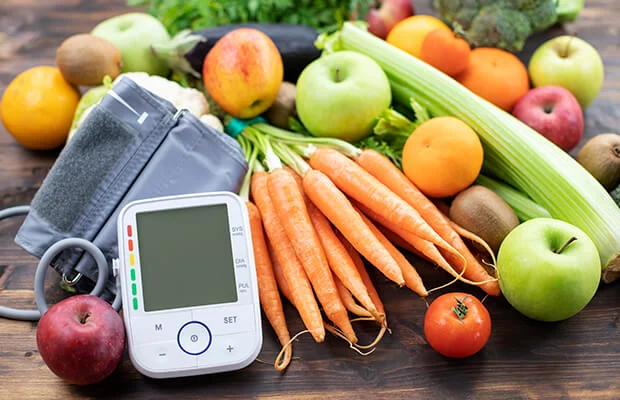
High blood pressure—also known as hypertension—is a silent health threat that increases the risk of heart attack, stroke, and kidney disease. Fortunately, there are effective strategies to naturally lower your blood pressure without immediate reliance on medication. Through lifestyle changes, mindful eating, and stress reduction, you can take control of your heart health and avoid long-term complications.
Modern medicine recognizes that addressing the root causes of hypertension often begins with simple, sustainable habits. From cutting back on sodium and processed foods to adding regular movement and relaxation techniques, these methods not only reduce your blood pressure but also improve your overall quality of life. Below are the most effective and science-backed ways to naturally manage your blood pressure levels.
Natural Strategies to Lower BloodPressure
1. Reduce Sodium Intake
Excess salt leads to fluid retention and higher pressure in blood vessels. Aim for less than 1,500 mg/day by avoiding processed foods and salty snacks.
2. Eat More Potassium-Rich Foods
Potassium helps balance sodium levels and ease tension in blood vessel walls. Add bananas, spinach, sweet potatoes, and avocados to your meals.
3. Exercise Regularly
30 minutes of moderate exercise—like brisk walking or cycling—most days of the week can lower your systolic pressure by 5 to 8 points.
4. Maintain a Healthy Weight
Even a small drop in weight can significantly reduce bloodpressure. Focus on sustainable calorie control and active living.
5. Limit Alcohol and Caffeine
Too much alcohol or caffeine can raise bloodpressure. Stick to moderate consumption—1 drink a day for women, 2 for men.
6. Manage Stress Effectively
Chronic stress tightens blood vessels and raises pressure. Practice deep breathing, yoga, journaling, or mindfulness meditation.
7. Quit Smoking
Every cigarette causes a temporary spike in blood pressure. Quitting can immediately improve your cardiovascular health.
8. Get Quality Sleep
Poor sleep affects your body’s ability to regulate stress and bloodpressure. Aim for 7–8 hours of restful sleep per night.
9. Increase Magnesium Intake
Magnesium supports muscle relaxation and vascular health. Eat leafy greens, legumes, nuts, and whole grains.
10. Monitor BloodPressure at Home
Track your readings with a digital monitor to stay informed and detect early signs of improvement or concern.
Final Thoughts
You don’t need a prescription to start improving your blood pressure. With small but consistent changes, you can naturally lower your blood pressure and protect your heart in the long run. These lifestyle shifts empower you to take control of your health—naturally, sustainably, and effectively.


