


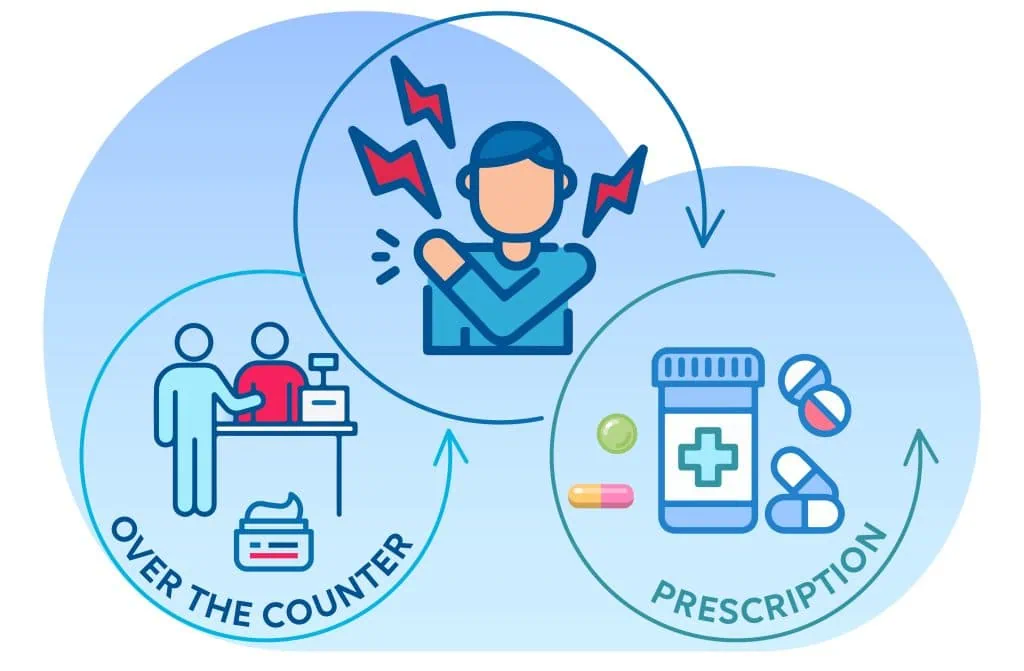
Opioids have long been the default solution for pain relief, but they come with a high risk of addiction, tolerance, and serious side effects. As a result, many patients and healthcare providers are seeking alternative ways to manage chronic pain without opioids. The good news is that a range of non-opioid therapies—backed by clinical evidence—can effectively reduce pain and improve quality of life for people living with long-term conditions like arthritis, fibromyalgia, or back injuries.
Managing chronic pain naturally requires a holistic, personalized approach that addresses the root causes while promoting physical function and emotional resilience. From physical therapy and acupuncture to mindfulness techniques and dietary changes, there are numerous strategies that reduce inflammation, calm the nervous system, and empower you to regain control—without the risks of opioid dependence.
Proven Ways to Manage Chronic Pain Without Opioids
1. Physical Therapy
- Strengthens muscles, improves mobility, and reduces pain
- Customized routines target specific areas of discomfort
2. Cognitive Behavioral Therapy (CBT)
- Teaches coping mechanisms to manage pain perception
- Reduces stress-related flare-ups and boosts mental health
3. Acupuncture
- Traditional Chinese method shown to release natural painkillers
- Effective for conditions like migraines, joint pain, and sciatica
4. Mindfulness Meditation and Yoga
- Helps reduce pain by calming the nervous system
- Encourages relaxation and improves body awareness
5. Anti-Inflammatory Diet
- Reduces inflammation that contributes to chronic pain
- Includes omega-3s, leafy greens, berries, turmeric, and whole grains
6. Chiropractic Care and Massage Therapy
- Eases muscle tension and joint misalignments
- Promotes blood flow and mobility in affected areas
7. Topical and Non-Opioid Medications
- NSAIDs (ibuprofen), capsaicin creams, and lidocaine patches
- Provide localized, non-addictive pain relief
8. Biofeedback and TENS Units
- Train your brain to respond differently to pain signals
- TENS (transcutaneous electrical nerve stimulation) offers at-home nerve stimulation
9. Sleep and Stress Management
- Poor sleep and stress heighten pain sensitivity
- Aim for 7–9 hours of sleep and use stress-reduction techniques daily
Final Thoughts
Living with chronic pain doesn’t have to mean living with addiction risks. By learning how to manage chronic pain without opioids, you can create a balanced treatment plan that supports long-term healing, function, and well-being. Through a combination of physical, psychological, and lifestyle approaches, real relief is possible—without compromising your health or safety.


