Accessing and managing templates in ChatGPT can significantly enhance your workflow and productivity, especially if you frequently use predefined prompts or settings. Whether you’re creating content, automating tasks, or saving useful configurations, being able to access and reuse templates is crucial. In this article, we’ll guide you through the steps to access your templates in ChatGPT and troubleshoot if you’re having trouble retrieving them.
1. Ensure Templates Are Saved
Before you can access your templates, you need to ensure that they were saved properly in the first place. Templates should be stored in your ChatGPT account or on the platform you’re using, and if not saved correctly, they won’t appear when you try to access them.
Solution:
- Verify Template Saving: When creating a template in ChatGPT, ensure that the saving process is completed. Look for an option to save the template after configuring it.
- Double-Check the Template Creation Process: Ensure that all necessary fields or settings are filled in before saving the template. If incomplete, the template might not be saved.
2. Accessing Templates in the Web Version (ChatGPT)
If you’re using ChatGPT in a web browser, accessing your saved templates is easy. Templates are usually stored in your account and can be found in the template management section.
Solution for Web (ChatGPT):
- Log Into Your Account: Open chat.openai.com in your web browser and log into your OpenAI account.
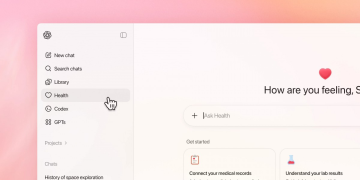
- Navigate to Template Management: Look for a section or sidebar that displays saved templates. This could be a dropdown menu or a dedicated “Templates” tab.
- Click on the Template: Once you’ve located your templates, click on the one you want to use or edit. You can start using it or modify it as needed.
- Search for Templates: If you have many templates saved, use the search bar to find specific templates quickly.
3. Accessing Templates on Mobile (iOS & Android)
If you’re using the ChatGPT mobile app on your smartphone or tablet, templates should sync across devices as long as you’re logged into the same account.
Solution for Mobile (iOS/Android):
- Open the ChatGPT App: Launch the ChatGPT app on your mobile device.
- Log In to Your Account: Make sure you are logged into the same OpenAI account where you saved your templates.
- Access Templates: Tap the menu icon (typically in the top-left corner) to open the list of saved templates. Scroll through to find the template you wish to use.
- Search for Specific Templates: Use the search function within the app to locate the template you need quickly.
4. Accessing Templates in Desktop App (Windows/macOS)
For users who are using the ChatGPT desktop app, the process is similar to the web version but optimized for desktop screens.
Solution for Desktop:
- Open the Desktop App: Launch the ChatGPT desktop app on your computer.
- Log In to Your Account: Ensure you are logged into the correct OpenAI account to access your saved templates.
- Navigate to Templates: On the left sidebar or in the app’s menu, find the section dedicated to templates. Click on any template to view or use it.
- Search for Templates: If you have a long list of templates, use the search bar to filter and locate specific templates.
5. Managing and Organizing Templates
Once you’ve accessed your templates, you may want to manage them. This includes deleting outdated templates, renaming them, or pinning frequently used ones for quick access.
Solution:
- Review and Edit Templates: Click on any saved template to view its contents. You can modify the template if needed and save the updated version.
- Delete Unused Templates: If you no longer need a template, delete it by clicking the delete icon (usually represented by a trash can) next to the template name.
- Pin Important Templates: Some platforms allow you to pin templates for easy access. This will keep them at the top of the list, making them easier to find.
6. Troubleshooting: Unable to Access Templates
If you’re unable to access your saved templates, it could be due to several reasons such as account issues, syncing problems, or technical glitches.
Solution:
- Check Account Login: Ensure you’re logged into the correct OpenAI account across all devices. If you’re logged into a different account, your templates won’t appear.
- Refresh the Platform: If you’re using ChatGPT on a browser or app, refresh the platform to reload your session and check if the templates appear.
- Clear Cache and Cookies: In your browser, clear the cache and cookies to resolve issues caused by outdated or corrupted session data.
- Reinstall the App: If you’re using a mobile or desktop app, reinstalling the app can help resolve syncing issues or bugs that may be preventing templates from displaying.
- Check Server Status: If ChatGPT isn’t showing your templates, there may be a temporary server issue. Visit the OpenAI status page to check for any ongoing issues.
7. Manually Save Templates for Future Access
To ensure you never lose important templates, consider manually saving them as backups.
Solution:
- Copy and Paste Templates: After creating a template, copy the text and paste it into a text editor (e.g., Google Docs, Microsoft Word) to store it for future use.
- Take Screenshots: For visual templates, take screenshots and save them in your device or cloud storage for easy access later.
Conclusion
Accessing your templates in ChatGPT is easy once you have the right account settings, are logged in, and know where to look. By following the steps outlined above, you can retrieve, manage, and organize your saved templates. If you encounter any issues, troubleshooting steps like checking your login, refreshing the platform, clearing cache, or reinstalling the app can resolve most problems.
If the issue persists, consider reaching out to OpenAI support or the platform you’re using for additional help.