
Nyongesa Sande
No Result
View All Result
  • News
    • World
    • Africa
  • Politics
  • Business
  • Tech
  • AI
  • Telecom
  • Sports
  • Opinion
  • Lifestyle
  • Live
Nyongesa Sande
  • About Us
    • Nyosake Designers
      • Nyosake Webmasters
      • Nyosake Investment
  • Contact Us
    • Newsroom Contact
  • Ownership Disclosure
  • Advertise
No Result
View All Result
Nyongesa Sande
No Result
View All Result
  • News
  • Politics
  • Business
  • Tech
  • AI
  • Telecom
  • Sports
  • Opinion
  • Lifestyle
  • Live
ADVERTISEMENT

Home » Honorifics for the Dead in Judaism

Honorifics for the Dead in Judaism

NyongesaSande News Desk by NyongesaSande News Desk
7 months ago
in Wiki
Reading Time: 4 mins read
A A
Honorifics for the Dead in Judaism

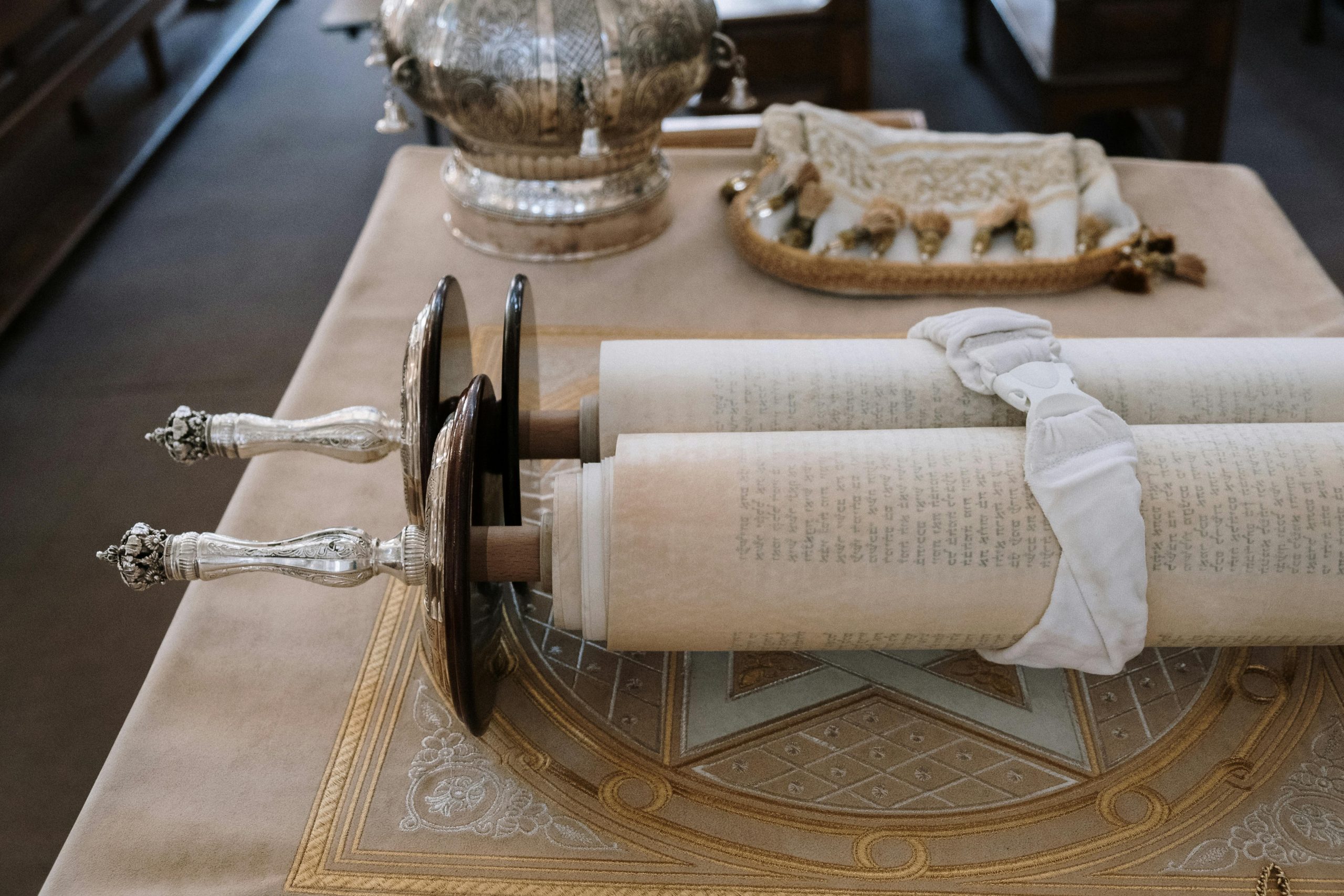
Photo by cottonbro studio: https://www.pexels.com/photo/a-sefer-torah-on-a-table-5986494/

In Judaism, honorifics are often used when speaking about or memorializing the deceased. These honorifics serve as a way to show respect and reverence for the departed. They are commonly found on gravestones, memorial walls in synagogues, obituaries, and are used in everyday speech. Different honorifics may be used depending on the deceased’s status, such as whether they were a righteous person, martyr, or rabbi. These honorifics are typically abbreviated in both Hebrew and English.

  • Common Honorifics for the Dead
    • Z”L (ז”ל) – “Of Blessed Memory”
    • A”H (ע”ה) – “May Peace Be Upon Him/Her”
    • ZT”L (זצ”ל) – “May the Memory of the Righteous Be a Blessing”
    • ZK”L (זק”ל) – “May the Memory of the Holy Be a Blessing”
    • ZY”A (זי”ע) – “May His/Her Merit Shield Us”
    • HY”D (הי”ד) – “May HaShem Avenge His/Her Blood”
    • HK”M (הכ”מ) – “May I Be an Atonement for His/Her Resting”
  • Other Honorifics
  • Conclusion

Common Honorifics for the Dead

Here are some of the most frequently used honorifics in Jewish culture:

Z”L (ז”ל) – “Of Blessed Memory”

The abbreviation Z”L (זכרונו לברכה for men, זכרונה לברכה for women) translates to “Of Blessed Memory” or “May His/Her Memory Be a Blessing.” This is the most common honorific used in Jewish tradition for someone who was considered holy or righteous. It is used for both contemporary figures and those from the distant past. For example: Rabbi Israel Israeli Z”L.

ADVERTISEMENT

A”H (ע”ה) – “May Peace Be Upon Him/Her”

Another commonly used honorific is A”H (עליו השלום for men, עליה השלום for women), which translates to “May Peace Be Upon Him/Her.” It is typically used for non-rabbinical or biblical figures, signifying peace and respect for their soul. For example: Avraham Avinu A”H.

ZT”L (זצ”ל) – “May the Memory of the Righteous Be a Blessing”

ZT”L (זכר צדיק לברכה) is used for a righteous person, especially rabbis or individuals of great piety. The translation of this honorific is “May the Memory of the Righteous Be a Blessing.” For example: Maran Ovadia Yosef ZT”L.

ADVERTISEMENT

ZK”L (זק”ל) – “May the Memory of the Holy Be a Blessing”

ZK”L (זכר קדוש לברכה) is used to honor someone who was considered holy, but not necessarily a martyr. It translates to “May the Memory of the Holy Be a Blessing.” An example would be Judah Halevi ZK”L.

ZY”A (זי”ע) – “May His/Her Merit Shield Us”

ZY”A (זכותו יגן עלינו) is used for those who are considered particularly holy. The full translation is “May His/Her Merit Shield Us.” For example: Rabbi Menachem Mendel Shneersohn ZY”A.

HY”D (הי”ד) – “May HaShem Avenge His/Her Blood”

The honorific HY”D (השם יקום דמו) is used to honor those who have died as martyrs or were murdered in acts of violence, especially anti-Semitism. It translates to “May HaShem Avenge His/Her Blood.” For example: Hana Bradyová HY”D.

ADVERTISEMENT

HK”M (הכ”מ) – “May I Be an Atonement for His/Her Resting”

HK”M (הריני כפרת משכבו) is used by a child whose parent has passed away within the first year of mourning. The translation is “May I Be an Atonement for His/Her Resting.” This expression is also used when speaking of a parent who has died recently.

Other Honorifics

In addition to the above honorifics, there are other phrases used to memorialize the dead, depending on their level of sanctity or their particular circumstances:

  • ZTVK”L (זצוק”ל) – “May the Memory of the Righteous and Holy Be a Blessing.”
  • ZTVK”L LH”H (זצוקללה”ה) – “May the Memory of the Righteous and Holy Be a Blessing for the Life of the World to Come.”
  • TAN”ZB”H (תנצב”ה) – “May His/Her Soul Be Bound in the Bond of Life.”

Conclusion

Honorifics for the dead in Judaism serve as a powerful way of showing respect and ensuring that the memories of righteous individuals are preserved. These expressions vary based on the deceased’s status, and they often carry deep religious and cultural significance. From Z”L for a blessed memory to HY”D for martyrs, these honorifics provide a means of honoring the deceased in a meaningful and traditional way.

Tags: A"HdeceasedHebrew abbreviationshonorificsHY"DJewish customsJudaismmemorial phrasesZ"L
Google Add as a Preferred Source on Google
Previous Post

Alexa Feser: German Singer and Songwriter

Next Post

Australian Dollar (AUD): Overview, History, and Significance

NyongesaSande News Desk

NyongesaSande News Desk

Nyongesa Sande offers diverse content across news, technology, entertainment, and more, aiming to provide readers with a wide range of informative and engaging articles. NYONGESA SANDE's dedicated team provides our audience not only with the highly relevant news but also with outstanding interactive experience.

Related Posts

Kenya Kwanza
Wiki

Kenya Kwanza

1 month ago
Kenya national rugby league team
Wiki

Kenya national rugby league team

1 month ago
Kenya national Baseball5 team
Wiki

Kenya national Baseball5 team

1 month ago
Kenya Michaels
Wiki

Kenya Michaels

1 month ago
Ken Walibora
Wiki

Ken Walibora

1 month ago
2024–25 Kenyan Premier League Season Overview
Wiki

Kenyan Premier League

1 month ago
Load More
Next Post
Australian Dollar (AUD): Overview, History, and Significance

Australian Dollar (AUD): Overview, History, and Significance

“Dance (Ass)” by Big Sean featuring Nicki Minaj: Song Overview, Reception, and Success

"Dance (Ass)" by Big Sean featuring Nicki Minaj: Song Overview, Reception, and Success

ADVERTISEMENT

Who We Are

Nyongesa Sande

NyongesaSande.com is a digital news and media platform covering breaking news, business, technology, AI, politics, sports, world affairs and African innovation.

News Sections

  • News
    • World
    • Africa
  • Politics
  • Business
  • Tech
  • AI
  • Telecom
  • Sports
  • Opinion
  • Lifestyle
  • Live

Editorial Standards

  • Editorial Policy
  • Fact Checking Policy
  • Corrections Policy
  • Ethics Policy
  • AI Usage Policy
  • News Tips
  • Submit Press Release

Legal

  • Privacy Policy
  • Terms of Use
  • Cookie Policy
  • Disclaimer
  • Risk Disclaimer
  • DMCA
  • Ad Choices

Our Company

  • About Us
    • Nyosake Designers
      • Nyosake Webmasters
      • Nyosake Investment
  • Contact Us
    • Newsroom Contact
  • Ownership Disclosure
  • Advertise
  • Privacy Policy
  • Terms of Use
  • Cookie Policy
  • Disclaimer
  • Risk Disclaimer
  • DMCA
  • Ad Choices

NyongesaSande.com is an independent digital news and media platform covering Africa, business, technology, AI, politics and global developments.

© 2026 NyongesaSande.com. All rights reserved.

No Result
View All Result
  • News
    • World
    • Africa
  • Politics
  • Business
  • Tech
  • AI
  • Telecom
  • Sports
  • Opinion
  • Lifestyle
  • Live

NyongesaSande.com is an independent digital news and media platform covering Africa, business, technology, AI, politics and global developments.

© 2026 NyongesaSande.com. All rights reserved.