🧠 Exploring Deepfake Art and Its Impact in 2025
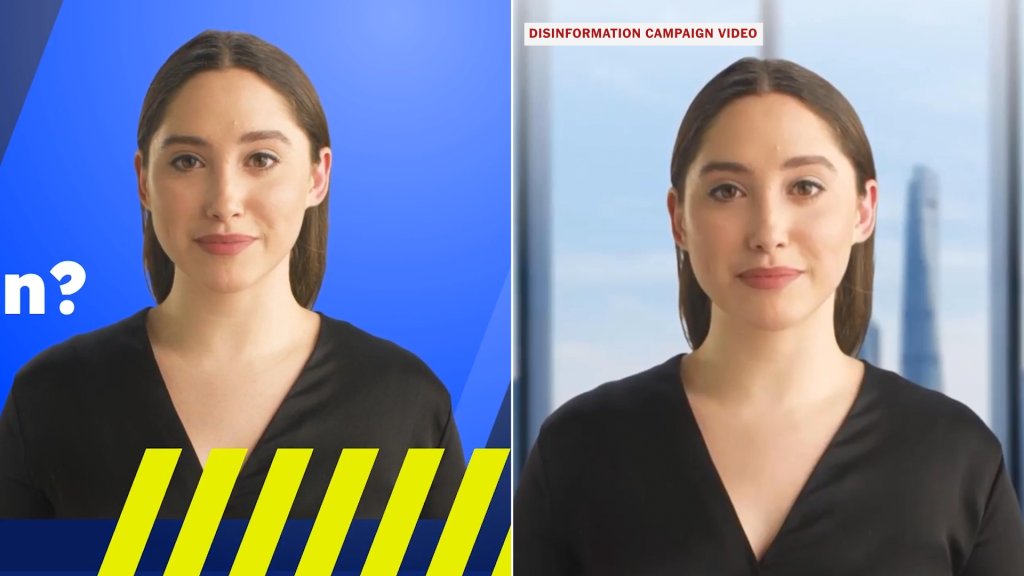
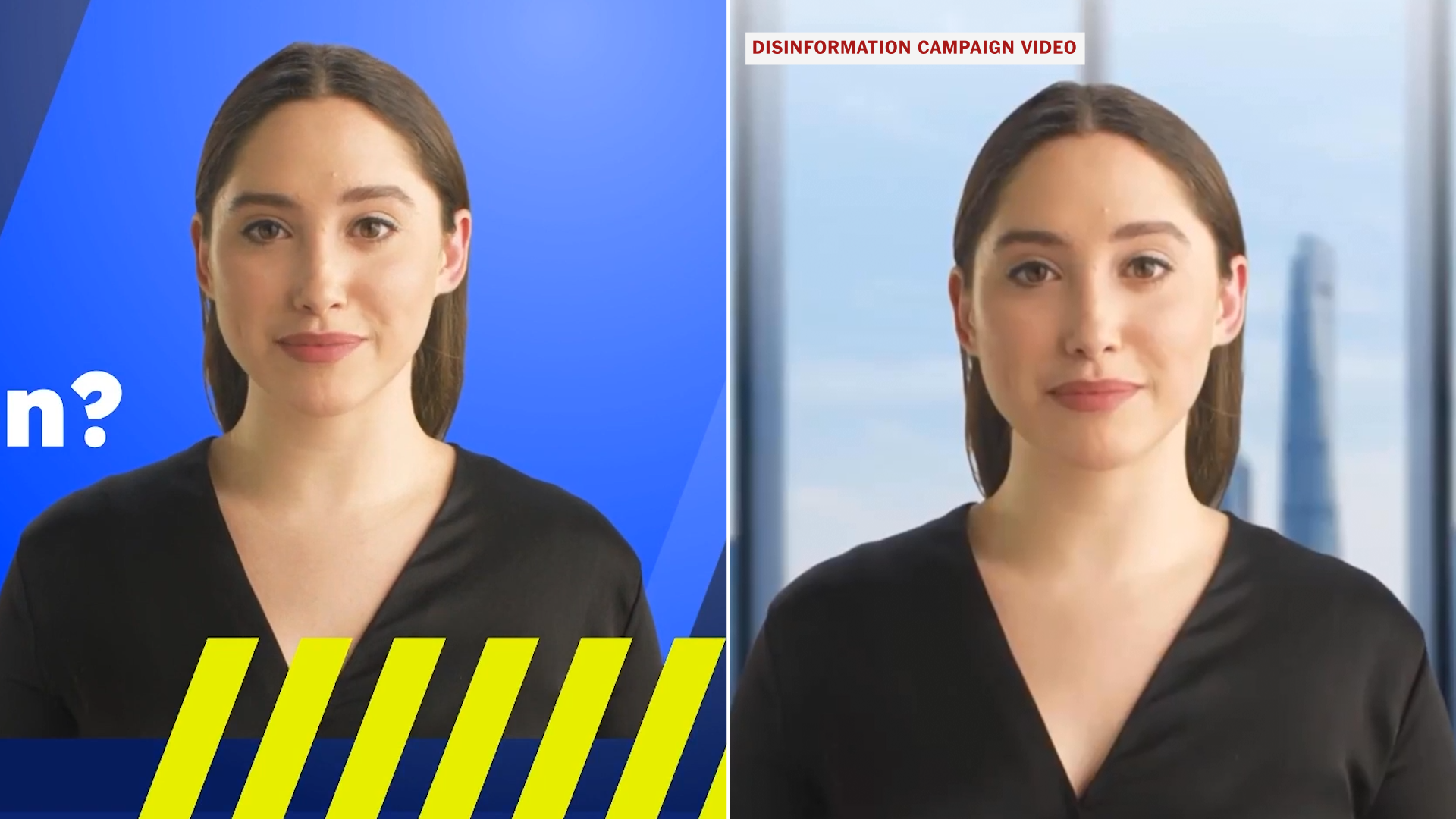
In 2025, deepfake technology has evolved from controversy to creativity. Artists and filmmakers are now exploring deepfake art and its impact as they blend synthetic faces and voices with digital storytelling. But this new frontier comes with both awe-inspiring innovation—and ethical concern.
Let’s break down how deepfake art is shaping the creative landscape.
🎭 What Is Deepfake Art?
Deepfake art involves the use of AI to:
- Generate realistic human faces or mimic celebrity likenesses
- Create entire video sequences with synthetic actors
- Blend or replace expressions and emotions with machine precision
Powered by GANs (Generative Adversarial Networks), tools like DeepFaceLab, Zao, and D-ID are driving this emerging art form.
✅ Why it matters: It allows for stunning realism—but also raises questions about truth and originality.
🎨 Deepfake as a Creative Medium
Artists are using deepfake tools to:
- Reimagine historical figures in modern settings
- Tell alternative storylines using real-world faces
- Create commentary on fame, identity, and reality
Deepfake art exhibitions and viral social videos are drawing attention for their surreal yet emotional power.
✅ Creative Potential: It enables impossible stories to be told visually and powerfully.
🎥 In Film and Media Production
In the world of entertainment, deepfakes help:
- Replace actors without reshooting scenes
- De-age performers or bring late icons back to life
- Clone facial expressions for multilingual dubbing
Studios are experimenting with AI-generated doubles using Synthesia, Wonder Studio, and Respeecher.
✅ Result: Faster production, reduced cost, and greater visual control.
🧩 Ethical and Legal Implications
As deepfake art gains momentum, so do concerns:
- Consent and likeness rights: Is it ethical to recreate someone’s face without permission?
- Authenticity in storytelling: What’s the boundary between art and manipulation?
- Misinformation risk: Could realistic deepfakes mislead viewers intentionally?
These concerns are sparking debates in both artistic and legal circles.
⚖️ Bottom line: Deepfake art challenges norms about truth, ownership, and identity.
🔮 The Future of Deepfake Art
Looking ahead:
- More regulations may govern the use of faces and voices
- Watermarking and detection tools will help spot AI-generated content
- Hybrid creativity will combine deepfake visuals with real-world emotion
Deepfake art isn’t going away—it’s evolving into a recognized form of digital expression and critique.
📦 Summary Table: Exploring Deepfake Art and Its Impact
| Area | Deepfake Application | Key Impact |
|---|---|---|
| Visual Storytelling | AI-generated actors, reimagined history | Unique narratives |
| Film Production | Face replacement, dubbing, de-aging | Time and budget efficiency |
| Art Installations | Synthetic portraits and identity play | Provocative artistic commentary |
| Ethical Concerns | Consent, ownership, realism | Ongoing debates in law and ethics |
| Future Trends | Watermarking, detection, regulation | Safer, more transparent usage |
🎯 Final Thoughts on Exploring Deepfake Art and Its Impact
Exploring deepfake art and its impact in 2025 reveals a world where AI isn’t just assisting creativity—it’s challenging our very understanding of it. While the tools can inspire breathtaking new forms of storytelling, they also force us to ask hard questions about ethics, identity, and truth.
The future of deepfake art is not just about what we can create—but how responsibly we do it.