


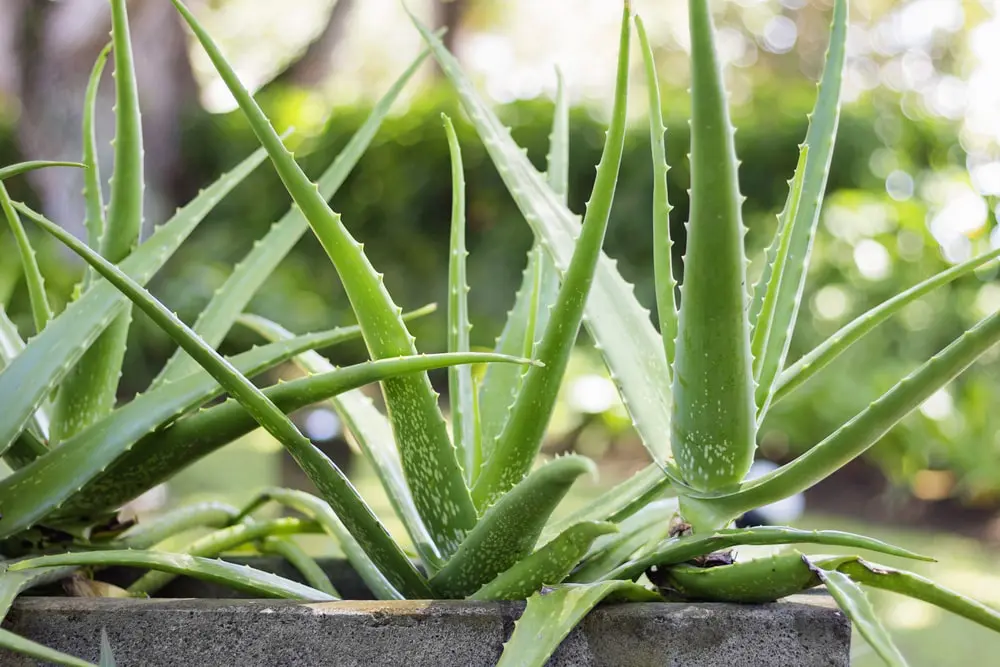
Aloe Vera: Africa’s Timeless Healer Now at Risk
Long before it gained worldwide fame as a skincare ingredient and health supplement, aloe vera was a trusted traditional remedy across African communities. Known for its remarkable healing and soothing properties, aloe has been revered for centuries — and not just in Africa. It is now grown and processed globally as a major player in modern medicine and wellness.
But as demand increases, this natural healer is now under threat, prompting urgent efforts to protect its diversity and heritage.
Aloe in Africa: A Legacy of Indigenous Knowledge
Aloe is a drought-resistant, perennial succulent that has thrived on the African continent for generations. Out of over 400 recorded aloe species, around 60 grow endemically in Kenya. Different communities across the country recognize and use the plant under unique names:
- Suguroi – Samburu
- Osukuroi – Maasai
- Cheretwo – Tugen
- Kiluma – Kamba
- Shikakha – Luhya
- Kiiruma – Kikuyu
- Mshubiri – Swahili
Among them, aloe vera, often referred to as “the true aloe,” is the most popular due to its potent medicinal gel and global commercial use.
Aloe Vera Healing Benefits: What the Gel Contains
Aloe vera leaves store a clear, water-rich gel — making up over 99% of the plant’s composition. This gel is packed with over 75 active ingredients, including:
- Vitamins (A, C, E, B12)
- Minerals (calcium, magnesium, zinc)
- Enzymes
- Amino acids
These give the plant its anti-inflammatory, antimicrobial, and soothing properties, making it effective for:
- Treating wounds and burns
- Combating skin conditions like eczema and acne
- Fighting bacterial and fungal infections
- Promoting hair growth and delaying signs of aging
- Boosting digestion and relieving constipation
- Treating parasitic diseases such as malaria (traditionally)
Traditional and Modern Uses: Continuity in Preparation
In many African homes, aloe gel was traditionally applied directly to the skin or boiled and consumed for internal ailments. These preparation methods remain unchanged today — a sign of how traditional practices have stood the test of time.
Parents used aloe as a natural laxative for constipated children, while others administered it orally to fight parasitic infections.
Conservation Alert: Aloe Species at Risk
Due to overharvesting and commercial exploitation, several aloe species are now facing extinction. In response, President Daniel arap Moi issued a 1986 ban on harvesting wild aloes in Kenya to protect their natural habitats.
On a global scale, the IUCN Red List has listed many aloe species as:
- Vulnerable
- Endangered
- Critically Endangered
The Convention on International Trade in Endangered Species (CITES) now regulates the aloe trade to ensure sustainability and prevent extinction.
What’s Your Aloe Story?
What name does your community use for the aloe plant? Do you or your family use it for skin care, digestion, or healing wounds? Share your story and help spread awareness about the power — and fragility — of this diverse African healer.


